Top Vacuum Picks
Our editor-vetted picks across every category, updated regularly.
Top 10 Best Robot Vacuums
What to Look for in a Robot Vacuum Cleaner
Navigation technology: gyroscope, camera, or LiDAR?
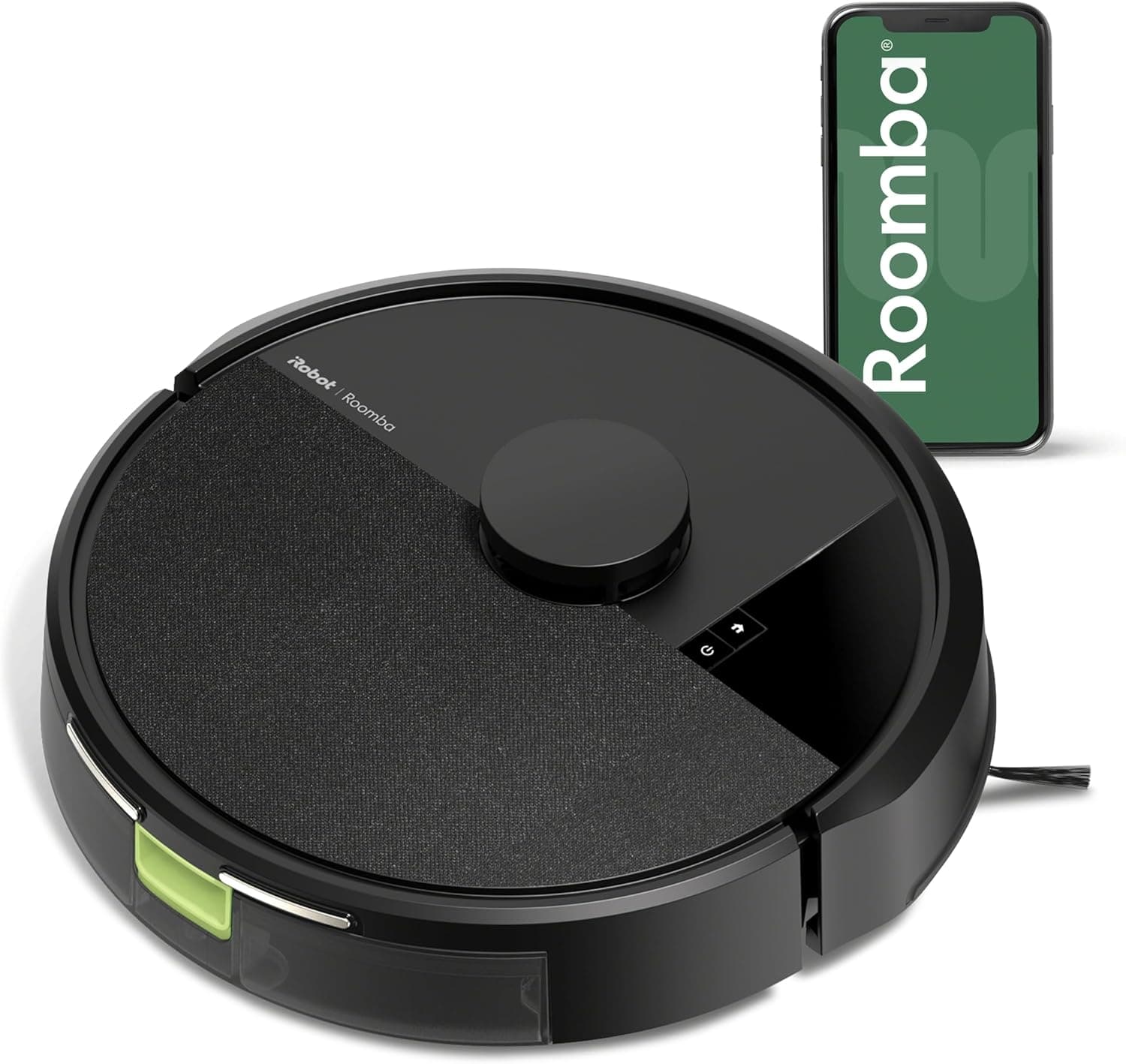
Budget robot vacuums use gyroscope-based navigation, which works but leaves random gaps in coverage. Mid-range models add a camera so the robot can recognize obstacles and build a rough map. Premium robot vacuums use LiDAR — a spinning laser that creates a precise floor plan and remembers room layouts across multiple cleanings. For large homes or multi-room apartments, LiDAR navigation pays for itself in thoroughness and time saved.
How long does it run before charging?
Most robot vacuums run 60–120 minutes per charge, which is enough for a medium-sized home on a single pass. High-end models exceed 180 minutes and support auto-resume — the robot docks to recharge mid-clean, then picks up exactly where it left off. If your home is over 2,000 sq ft, look for auto-resume or a model that maps your floor plan and prioritizes incomplete areas.
Do you need a self-emptying base?
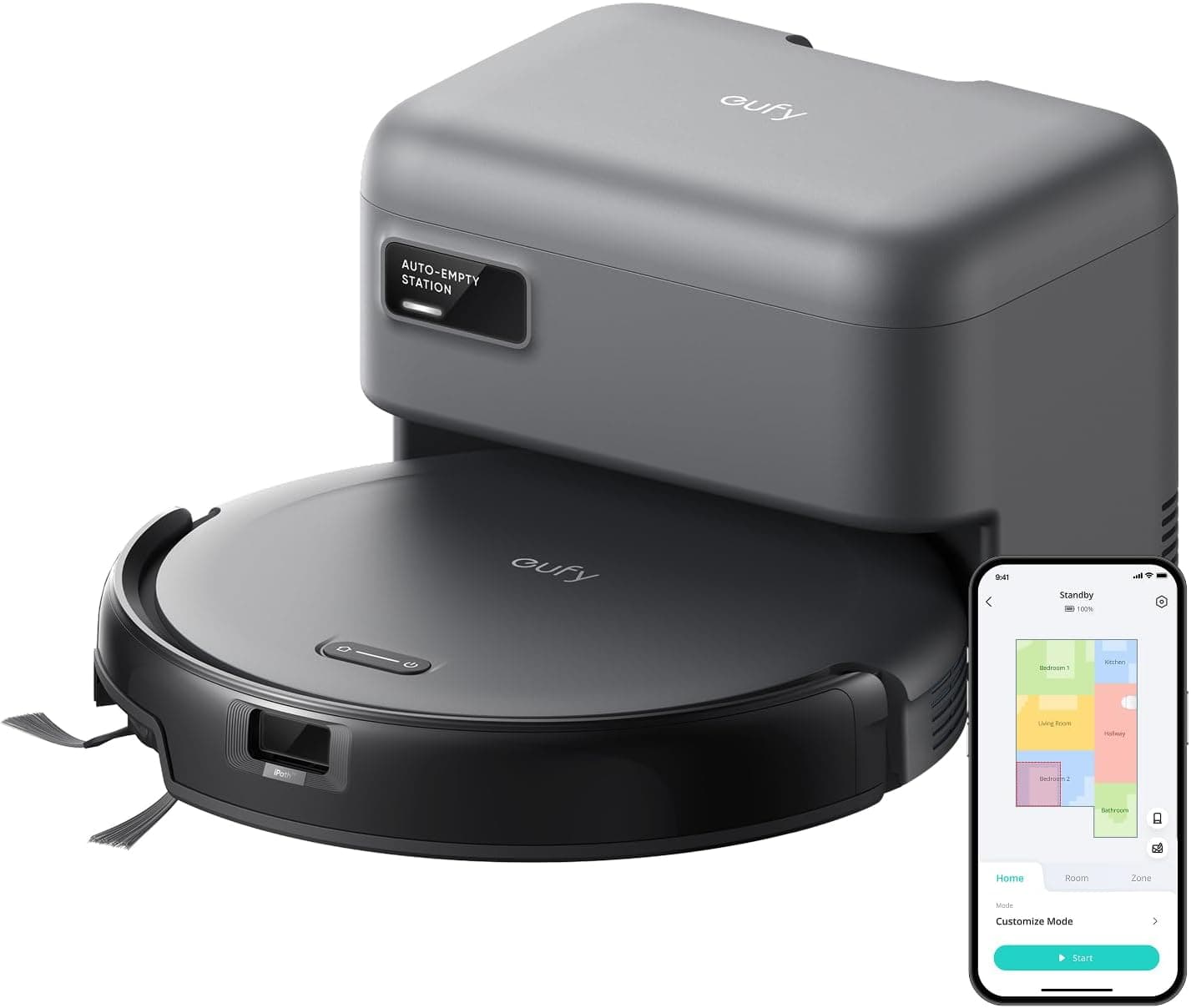
Self-emptying bases hold weeks of debris in a sealed bag, so you rarely need to interact with the dustbin. They are especially useful if you run the robot daily or have pets that shed heavily. The tradeoff is cost — bases add $150–$400 to the price — and the bags themselves are a recurring expense. If you only run the robot a few times a week, manually emptying the dustbin after each run is a perfectly fine alternative.
Can the robot vacuum and mop at the same time?
Many current models offer a combined vacuum-and-mop function. Entry-level combo models simply drag a damp pad, which loosens light dirt but won't tackle dried spills. Premium combo robots use vibrating or oscillating mop heads with precise water control, and some can lift the mop pad automatically when they detect carpet. If mopping matters to you, look for models with adjustable water flow and the ability to avoid carpet with the wet pad active.
Can the robot vacuum tackle a home with pets?
Pet hair tangles around brush rolls and clogs filters quickly. Look for rubber brush rolls (rather than bristle brushes), which resist tangles, and anti-tangle comb designs. HEPA-level filtration traps the allergens that come with pet dander. Also check dustbin capacity — pet hair fills small bins fast. Most manufacturers rate their pet-hair models explicitly; those ratings are a useful starting filter when searching.
Alexa, Google, or app control — what works best?
All major brands now offer companion apps with scheduling, zone cleaning, and do-not-enter areas. Alexa and Google Assistant voice control lets you start and stop a clean hands-free, but app control is richer for setting up rooms and no-go zones. Apple Home integration is rare — if you're in the Apple ecosystem, check compatibility before buying. Offline functionality varies; some robots need a cloud connection even for basic scheduling.