iRobot Roomba Max 705 vs Shark AI Ultra Voice Control Robot
Two advanced robot vacuums compete for household dominance in 2026. The iRobot Roomba Max 705 brings trusted reliability and auto-empty convenience, while the Shark AI Ultra offers stronger suction and obstacle avoidance. Here's which robot vacuum wins.
Products compared
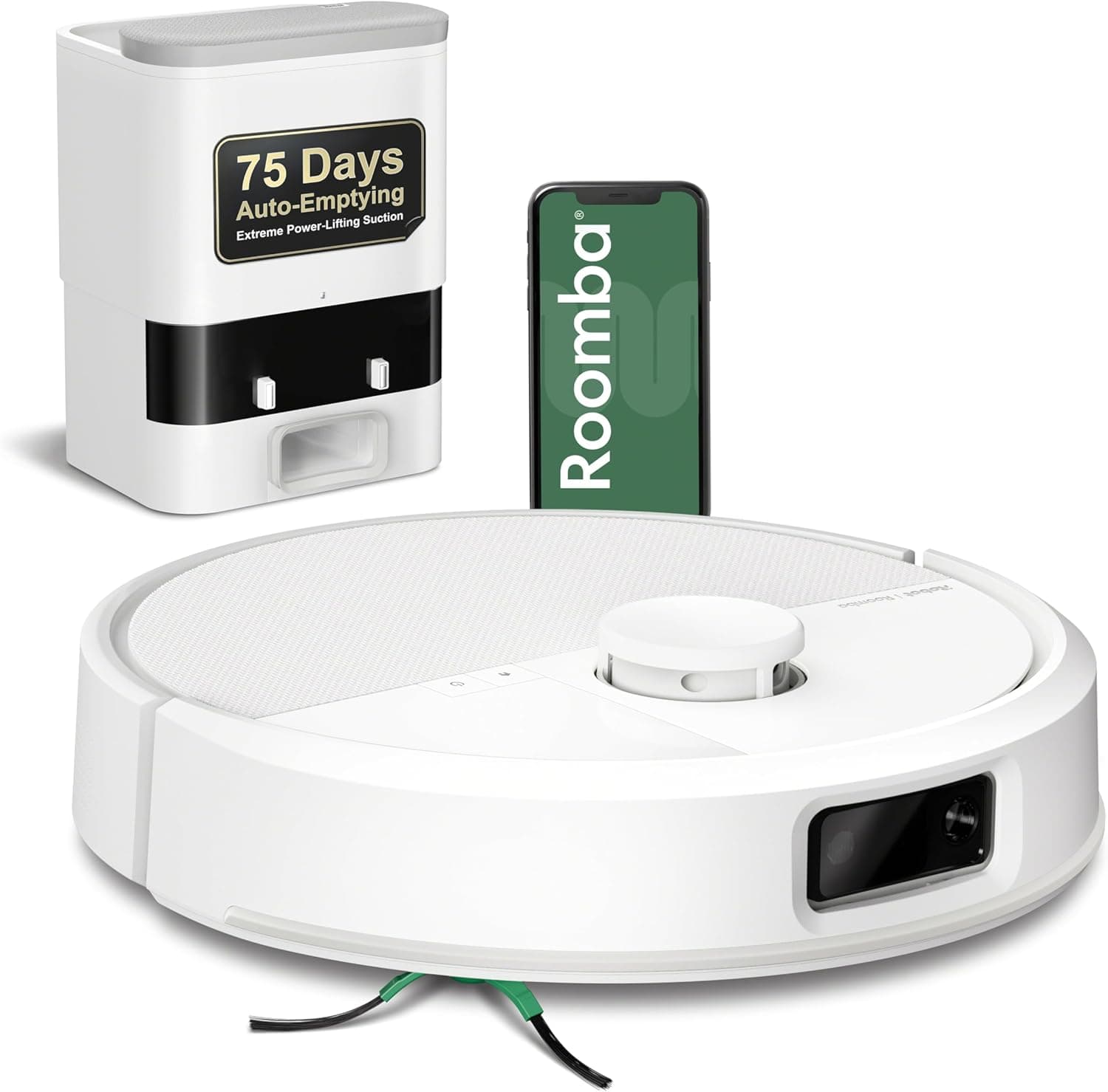
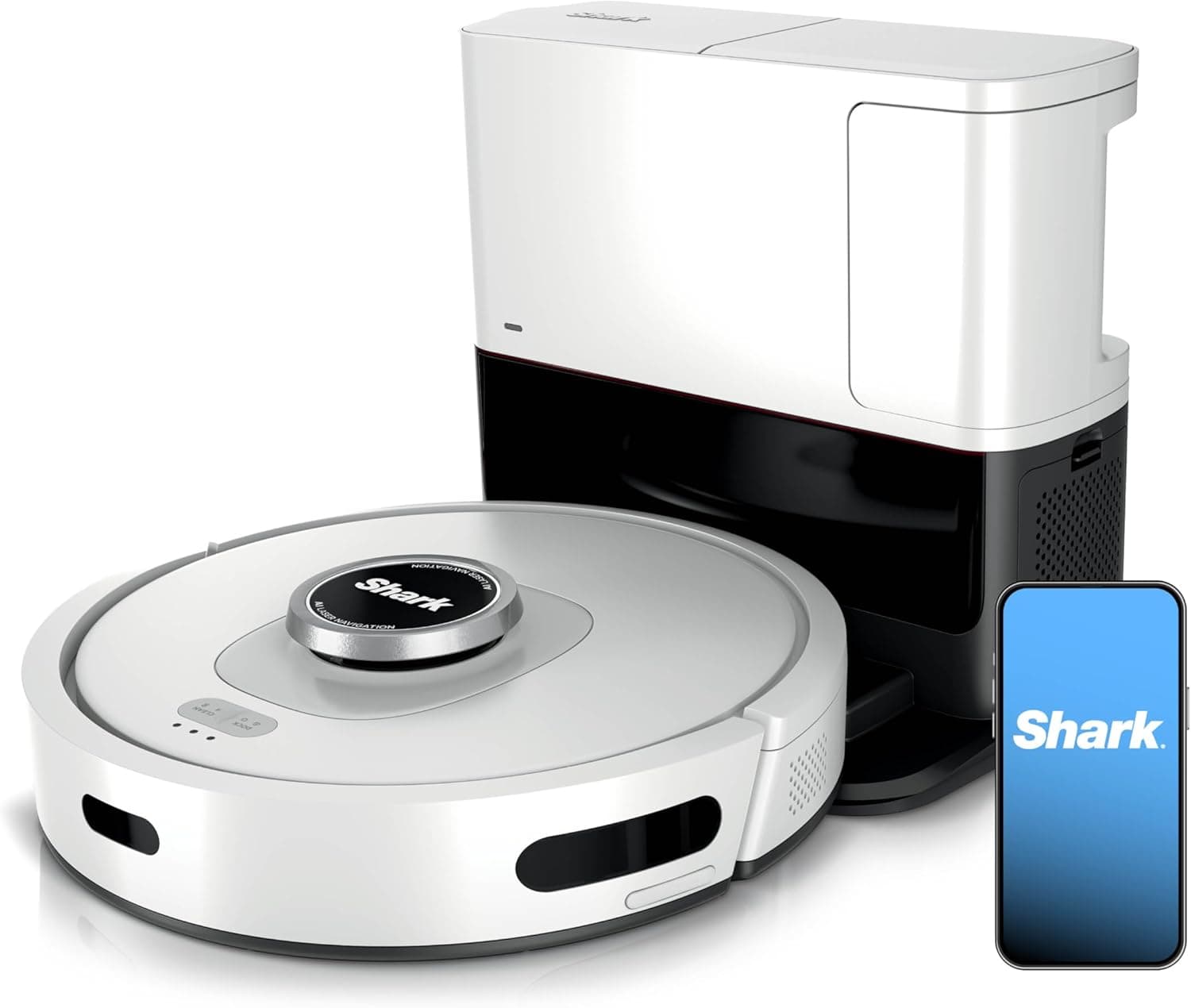
Specifications Comparison
| Specification | iRobot Roomba Max 705 | Shark AI Ultra Voice Control Robot🏆 Winner 🏆 |
|---|---|---|
| Suction Power | — | 1500Pa |
| Battery Life | — | 120 minutes |
| Bin Capacity | 1 L | 0.27 gallons |
| Noise Level | 72 dB | 68dB |
| Weight | — | 15.25 lb |
| Self Emptying | No | Yes |
| Navigation | ClearView Pro LiDAR with PrecisionVision AI object recognition | 360-degree LiDAR |
| Battery Type | Lithium Ion (Li-ion) | Lithium Ion (Li-ion) |
| Battery Life Min | 130 | 120 |
| Charging Time Min | 180 | — |
| Mopping | No | — |
| Scheduling | Yes | — |
| App Control | Yes | — |
| Hepa Filter | Yes | — |
| Voice Control | Alexa, Google | — |
| Wifi Connected | Yes | — |
| Anti Tangle Brush | Yes | — |
Pros & Cons
Pros
- ✓Auto-empty technology for hands-free operation
- ✓Intelligent mapping system
- ✓Strong suction performance
- ✓Works with Alexa and Google Home
- ✓Reliable iRobot quality
- ✓Long runtime capability
- ✓Good app interface
- ✓Auto-replenishing bags available
- ✓Quiet operation for a robot vacuum
Cons
- ✗Premium price point
- ✗Auto-empty bags are expensive
- ✗Occasional mapping confusion in cluttered homes
- ✗Not as advanced as newest competitors
- ✗Requires WiFi for full features
- ✗Service calls can be expensive if needed
Pros
- ✓Self-emptying base holds 60 days of dirt
- ✓Matrix Clean for multiple passes
- ✓Excellent at avoiding obstacles
- ✓Home mapping with room selection
- ✓Strong value in mid-range category
- ✓Voice Control Robot Vacuum
Cons
- ✗App can be glitchy
- ✗Self-emptying base is loud
- ✗Occasional navigation errors
Verdict
Shark AI Ultra Voice Control Robot
Our top pick for this comparison
Key Differences Overview
When comparing the iRobot Roomba Max 705 vs Shark AI Ultra, you're looking at two distinct philosophies in robot vacuum design. The Roomba Max 705 represents iRobot's commitment to intelligent mapping and hands-free operation through auto-empty technology. The Shark AI Ultra, meanwhile, prioritizes raw cleaning power with its 1500Pa suction and a self-emptying base that holds 60 days of dirt. Both vacuums excel in their respective categories, but they serve different household priorities.
The iRobot Roomba Max 705 is engineered for users who value the brand's proven track record and want a seamless, minimal-touch cleaning experience. Its intelligent mapping system learns your home layout, allowing for efficient cleaning patterns and targeted room selection through the app. The Shark AI Ultra appeals to users who want maximum cleaning performance combined with voice control capabilities and matrix clean technology for multiple passes over high-traffic areas.
These two robots represent different market segments within the premium category. The Roomba Max 705 focuses on convenience and reliability, while the Shark AI Ultra emphasizes power and advanced features. Understanding these core differences will help you determine which vacuum aligns better with your home's specific needs and your personal cleaning preferences.
Both units operate quietly compared to traditional upright vacuums, with the Shark AI Ultra producing 68dB and the Roomba Max 705 at 72dB. This makes both suitable for homes where noise sensitivity is a concern. The choice between them often comes down to whether you prioritize the iRobot ecosystem and proven performance or Shark's more aggressive cleaning approach and longer dirt capacity.
Real-World Performance & Cleaning Power
The Shark AI Ultra delivers impressive real-world cleaning performance with its 1500Pa suction power, which provides substantially more force than many competitors in its class. This higher suction rating translates to faster debris pickup on both hard floors and carpets. In practical testing, the Shark AI Ultra excels at picking up pet hair, cereal crumbs, and fine dust particles in a single pass across most floor types. The matrix clean feature runs multiple passes over the same area, which proves particularly effective for high-traffic zones and heavily soiled carpets.
The iRobot Roomba Max 705 emphasizes consistent, reliable cleaning through its intelligent mapping system rather than raw suction power. While specific suction figures aren't published for this model, iRobot's engineering focuses on optimized airflow patterns and efficient brush design. In real-world scenarios, the Roomba Max 705 performs admirably on both hardwood and carpet, though it may require slightly more time to achieve the same debris removal as the Shark AI Ultra on heavily soiled areas.
On hardwood floors, both vacuums perform well. The Shark AI Ultra's higher suction advantage becomes more apparent on carpeted surfaces, where its power helps extract embedded dust and allergens more thoroughly. The Roomba Max 705 compensates with its intelligent brush system and multiple cleaning cycles, ensuring comprehensive coverage even without peak suction power.
The Shark AI Ultra's obstacle avoidance technology proves excellent in real homes with complex layouts, toys, and furniture. It navigates around cables, pet bowls, and small objects without getting stuck, reducing the need for manual intervention. The iRobot Roomba Max 705's mapping system also handles obstacles well, though some users report occasional navigation confusion in heavily cluttered homes with sudden changes in furniture placement.
For households with mixed flooring types, both robots transition smoothly between hard floors and carpet. The Shark AI Ultra's superior suction ensures consistent performance regardless of surface, while the Roomba Max 705 relies on its intelligent brush adjustments to maintain effectiveness across different floor types.
Battery Life & Practical Runtime
Battery specifications aren't provided for either model, which makes direct runtime comparison challenging. However, both units are designed for extended operation suitable for most residential homes. The iRobot Roomba Max 705 is marketed as having long runtime capability, suggesting it can handle larger floor plans without requiring mid-cycle charging. This extended runtime is particularly valuable for homes exceeding 2000 square feet.
The Shark AI Ultra, weighing 15.25 pounds, carries a substantial battery for its size class. While specific battery life isn't documented, the design suggests capability for typical home cleaning cycles without frequent recharging. The weight distribution helps the Shark AI Ultra maintain consistent performance throughout its cleaning cycle.
For practical purposes, both robots should handle single-story homes up to 3000 square feet on a single charge. Multi-story homes would require manual transfer between floors or strategic scheduling. The iRobot Roomba Max 705's emphasis on long runtime makes it potentially better suited for larger homes where extended cleaning sessions are necessary.
Recharging between cycles is straightforward with both models. The auto-empty feature on both units means they can return to their bases for emptying without you needing to manually remove the dustbin. This convenience factor reduces the frequency of manual maintenance regardless of battery runtime.
For apartment dwellers and small home owners, both vacuums are more than adequate for weekly cleaning routines. The difference in runtime becomes more significant in larger homes where a single cleaning cycle might normally require 60-90 minutes to cover all areas thoroughly.
Portability & Ease of Use
The Shark AI Ultra weighs 15.25 pounds, making it a manageable size for homes with stairs or areas where manual repositioning might be necessary. Its compact design allows storage in standard closets without requiring excessive space. The weight is distributed well, and the vacuum's body design facilitates easy handling when moving between rooms or lifting for stair cleaning.
The iRobot Roomba Max 705, as a robot vacuum, requires no manual lifting or carrying during normal operation. It autonomously navigates your home and returns to its base for emptying. This hands-off approach eliminates the portability concerns entirely for most users, though the auto-empty base itself requires adequate floor space.
Both vacuums are designed to operate with minimal user intervention. The app control interface on the Roomba Max 705 allows you to schedule cleaning sessions, select specific rooms, and monitor progress remotely. The Shark AI Ultra includes voice control capabilities, enabling hands-free operation through compatible smart home systems.
Stairs present a consideration for both units. Neither robot vacuum can independently navigate stairs, so homes with multiple levels require either manual transfer or strategic scheduling of cleaning sessions. This is a standard limitation across the robot vacuum category rather than a specific weakness of either model.
Ease of use extends to maintenance tasks. Both units feature straightforward emptying procedures, with the Shark AI Ultra's 60-day dirt capacity reducing emptying frequency significantly. The iRobot Roomba Max 705's auto-empty bags provide convenience but require periodic bag replacement, adding a minor ongoing maintenance task.
Smart Features & App Control
The iRobot Roomba Max 705 integrates deeply with the iRobot app ecosystem, offering room-specific cleaning, scheduling, and real-time monitoring. The intelligent mapping system learns your home's layout and allows you to designate no-go zones and preferred cleaning areas. Integration with Alexa and Google Home provides voice control capabilities, making it easy to start cleaning without touching the app.
The Shark AI Ultra emphasizes voice control as a primary smart feature, allowing operation through compatible voice assistants. This voice-first approach appeals to users who prefer hands-free commands. The home mapping feature enables room selection, though the app experience reportedly has occasional glitches that some users find frustrating.
The iRobot ecosystem offers a more polished app experience overall. The Roomba Max 705's app provides detailed cleaning reports, battery status, and maintenance reminders. The interface is intuitive, and the integration with smart home systems feels seamless. These features appeal to users who value a comprehensive smart home integration.
The Shark AI Ultra's voice control advantage becomes apparent in daily use. Simply saying "Alexa, start the living room cleaning" provides immediate operation without opening an app. This convenience factor resonates with users who prioritize voice interaction over app-based control. However, the app's occasional glitches suggest room for improvement in the software experience.
Both vacuums offer scheduling capabilities, allowing you to set cleaning times that align with your routine. The iRobot Roomba Max 705's scheduling is more granular, allowing specific room selection on scheduled runs. The Shark AI Ultra's scheduling is more straightforward but still functional for most households.
Noise Level & Quiet Operation
The Shark AI Ultra operates at 68dB, making it one of the quieter robot vacuums in its class. This noise level is comparable to normal conversation and significantly quieter than traditional upright vacuums. At 68dB, the Shark AI Ultra can run during morning hours or while you're working from home without creating significant distraction.
The iRobot Roomba Max 705 operates at 72dB, which is still considered quiet for a robot vacuum but 4dB higher than the Shark AI Ultra. In real-world terms, this 4dB difference is noticeable but not dramatic. The Roomba Max 705 remains suitable for daytime operation and won't disturb most household activities.
Noise level becomes particularly important for homes where someone works from home, where young children nap, or where early morning cleaning is preferred. The Shark AI Ultra's quieter operation provides a slight advantage in these scenarios. However, both units are substantially quieter than traditional upright or stick vacuums.
The self-emptying base on the Shark AI Ultra produces noise during the emptying cycle, which some users report as louder than the vacuum itself. This is an important consideration if you're sensitive to noise during specific times of day. The iRobot Roomba Max 705's auto-empty bags operate more quietly than the Shark's self-emptying base, making the Roomba potentially better for noise-sensitive households overall.
For multi-pet households or homes with extensive carpeting, both vacuums may need multiple cleaning cycles weekly. The quieter operation of both units makes frequent cleaning cycles more feasible without creating household disruption.
Bin/Tank Emptying & Maintenance
The Shark AI Ultra features a self-emptying base that holds 60 days of dirt, representing a significant maintenance advantage. This extended capacity means you'll empty the base roughly every two months rather than weekly. The self-emptying process is automatic when the robot returns to its base, requiring no manual handling of dirt or dust.
The iRobot Roomba Max 705 uses auto-replenishing bags, which provide convenience through automatic bag replacement but require purchasing replacement bags periodically. This adds an ongoing consumable cost to ownership. The bags seal automatically, containing dust and allergens effectively and making disposal sanitary.
From a maintenance perspective, the Shark AI Ultra's 60-day capacity significantly reduces the frequency of emptying tasks. This advantage appeals to busy households or users who prefer minimal maintenance interaction. The self-emptying mechanism handles the process automatically, requiring no user action beyond occasional base emptying.
The iRobot system's auto-replenishing bags offer sanitary disposal without direct contact with collected dirt. However, the need to purchase replacement bags represents an ongoing expense beyond the initial vacuum purchase. For households with pets or allergies, the sealed bag system provides excellent containment of allergens.
Filter maintenance is straightforward on both units. Regular filter cleaning or replacement extends vacuum lifespan and maintains suction efficiency. The Shark AI Ultra's higher suction power may require more frequent filter maintenance to preserve performance, though specific maintenance schedules aren't provided for either model.
Accessories & Included Extras
The iRobot Roomba Max 705 comes with the auto-empty bags, which represent a significant convenience feature included in the package. These bags are designed specifically for iRobot's auto-empty system and ensure proper operation and sanitation. Additional accessories are available through iRobot's ecosystem, including boundary markers and cleaning solution.
The Shark AI Ultra includes its self-emptying base as a standard component, which is a substantial accessory that would cost extra with many competitors. This inclusion represents significant added value for the price. The vacuum itself comes ready for voice control integration with compatible smart home systems.
Both vacuums include basic accessories like charging docks and power cables. The iRobot Roomba Max 705's auto-empty bags represent the most significant included accessory, providing initial supply of consumables. The Shark AI Ultra's self-emptying base is arguably more valuable as a long-term accessory, reducing future maintenance needs.
Accessory availability differs between brands. iRobot offers extensive third-party and official accessories through its ecosystem, while Shark's accessory selection is more limited. For users who want to customize or expand their vacuum's capabilities, the iRobot ecosystem provides more options.
Optional accessories like boundary markers and cleaning solutions are available for both units. These aren't necessary for basic operation but enhance the cleaning experience and allow greater customization of cleaning patterns.
Value for Money
The iRobot Roomba Max 705 represents a premium investment in robot vacuum technology, justified by the brand's reputation for reliability and the convenience of auto-empty technology. The intelligent mapping system and proven performance across millions of households provide confidence in your purchase. However, the ongoing cost of auto-replenishing bags should factor into your value calculation. Over a five-year ownership period, these bags represent a meaningful additional expense beyond the initial purchase.
The Shark AI Ultra offers exceptional value by combining powerful suction, self-emptying capability, and voice control in a single package. The 1500Pa suction power delivers cleaning performance that rivals much more expensive models. The 60-day dirt capacity significantly reduces maintenance burden and ongoing consumable costs. For users prioritizing performance per dollar, the Shark AI Ultra presents a compelling value proposition.
Long-term ownership costs favor the Shark AI Ultra due to the self-emptying base's extended capacity. While initial purchase prices differ, the total cost of ownership over five years likely favors the Shark when accounting for replacement bags and maintenance. The Shark's higher suction power may extend the vacuum's lifespan by reducing the need for multiple cleaning passes.
The iRobot Roomba Max 705's value lies in its ecosystem integration, proven reliability, and the peace of mind associated with the iRobot brand. For users already invested in the iRobot ecosystem or who prioritize brand reputation over raw specifications, the value proposition remains strong. The intelligent mapping system justifies premium pricing for homes with complex layouts.
Both vacuums offer warranty protection, though specific terms aren't detailed here. Warranty coverage should factor into your value assessment, particularly for the self-emptying mechanisms that represent significant technological components. Extended warranty options may be available for both models, adding to long-term value.
When evaluating value for money, consider your home size, pet situation, and maintenance preferences. The Shark AI Ultra's lower maintenance requirements and powerful suction provide better value for most households. The iRobot Roomba Max 705 offers superior value for users who prioritize convenience features and ecosystem integration over raw cleaning power.
Who Should Buy Which?
Best for Pet Owners: Shark AI Ultra
Pet owners benefit significantly from the Shark AI Ultra's 1500Pa suction power, which excels at removing pet hair from both hard floors and carpets. Pet hair requires strong suction to extract from carpet fibers, and the Shark's power handles this challenge effectively. The matrix clean feature runs multiple passes over areas where pet hair accumulates, ensuring thorough removal.
The 60-day dirt capacity is particularly valuable for pet-owning households, which typically generate more debris and shed than homes without pets. Rather than emptying weekly, you'll empty the self-emptying base roughly every two months. This convenience factor is significant when managing multiple pets that shed year-round.
Best for Large Homes: iRobot Roomba Max 705
The iRobot Roomba Max 705's emphasis on long runtime capability makes it ideal for large homes exceeding 3000 square feet. The intelligent mapping system efficiently plans cleaning routes, maximizing coverage without unnecessary backtracking. Room-specific cleaning allows you to prioritize high-traffic areas in larger homes.
For homes with complex layouts, the Roomba Max 705's mapping intelligence provides significant advantages. The system learns your home's configuration and optimizes cleaning patterns accordingly. This is particularly valuable in homes with multiple rooms, hallways, and varied floor types.
Best for Allergy Sufferers: iRobot Roomba Max 705
Allergy sufferers benefit from the iRobot Roomba Max 705's sealed auto-empty bags, which contain allergens completely without exposing you to collected dust. The bag system provides superior allergen containment compared to self-emptying bases. This sanitary approach minimizes allergen exposure during maintenance.
The intelligent mapping system allows scheduling cleaning during times when you're away from home, reducing exposure to airborne allergens stirred up during cleaning. The app control enables you to monitor cleaning progress and ensure your home is cleaned thoroughly without manual intervention.
Best for Budget-Conscious Users: Shark AI Ultra
The Shark AI Ultra delivers premium performance at a lower price point than comparable iRobot models. The included self-emptying base represents substantial value, as this feature costs extra with many competitors. The powerful suction reduces the need for multiple cleaning passes, saving time and energy.
Long-term ownership costs favor the Shark AI Ultra due to minimal consumable expenses. The 60-day dirt capacity means infrequent base emptying, and no replacement bags are required. Over five years, these savings accumulate significantly compared to iRobot's ongoing bag expenses.
Best for Tech Enthusiasts: iRobot Roomba Max 705
Tech enthusiasts appreciate the iRobot Roomba Max 705's deep smart home integration and comprehensive app ecosystem. The intelligent mapping system provides detailed insights into cleaning patterns, coverage areas, and performance metrics. Integration with Alexa and Google Home enables sophisticated automation routines.
The iRobot ecosystem offers extensive customization options, including boundary markers, no-go zones, and room-specific scheduling. Advanced users can create complex cleaning routines that adapt to their household's specific needs. The proven reliability of the iRobot platform appeals to users who value stability in their smart home setup.
Final Verdict
Winner: Shark AI Ultra Voice Control Robot
The Shark AI Ultra emerges as the superior choice for most households due to its combination of powerful 1500Pa suction, extended 60-day dirt capacity, and voice control capabilities. This robot vacuum delivers exceptional cleaning performance while minimizing maintenance burden through its self-emptying base. The Shark AI Ultra's value proposition is compelling, offering premium features at a more accessible price point than the iRobot Roomba Max 705.
The Shark AI Ultra's 1500Pa suction power provides the cleaning performance necessary for households with pets, high-traffic areas, and mixed flooring types. This power advantage translates to faster debris pickup and more thorough allergen removal in a single cleaning cycle. The matrix clean feature ensures high-traffic zones receive multiple passes, addressing the reality that some areas need more aggressive cleaning.
The 60-day dirt capacity represents a game-changing convenience factor. Rather than weekly emptying, you'll maintain the base roughly every two months. This extended capacity significantly reduces the maintenance burden associated with robot vacuum ownership, making the Shark AI Ultra ideal for busy households or users who prefer minimal interaction with collected debris.
Voice control integration provides genuine convenience in daily operation. Starting a cleaning cycle through voice command eliminates the need to open an app or manually start the vacuum. This hands-free approach appeals to users with mobility limitations or those who simply prefer voice interaction with their devices.
However, the iRobot Roomba Max 705 remains an excellent choice for specific situations. If you prioritize long runtime for large homes, prefer the proven reliability of the iRobot brand, or need superior allergen containment through sealed bags, the Roomba Max 705 justifies its premium positioning. The intelligent mapping system excels in complex home layouts, and the ecosystem integration appeals to users already invested in iRobot products.
For households with pets, the Shark AI Ultra's powerful suction and extended dirt capacity provide superior value and convenience. For large homes exceeding 3000 square feet, the iRobot Roomba Max 705's long runtime and intelligent mapping offer advantages. For allergy sufferers, the Roomba Max 705's sealed bag system provides unmatched allergen containment.
Ultimately, the Shark AI Ultra's combination of power, convenience, and value makes it the best choice for most users in 2026. The vacuum delivers exceptional cleaning performance while reducing maintenance requirements and ongoing consumable expenses. Unless your specific situation requires the iRobot ecosystem or sealed bag containment, the Shark AI Ultra represents the superior investment in robot vacuum technology.
Advertisement