Roborock Q7 M5 Robot Vacuum and Mop vs Eufy C10 Robot Vacuum
Two robot vacuums compete for household dominance with different strategies. One combines mopping with powerful navigation, the other prioritizes budget-friendly simplicity. Here's our detailed breakdown.
Products compared
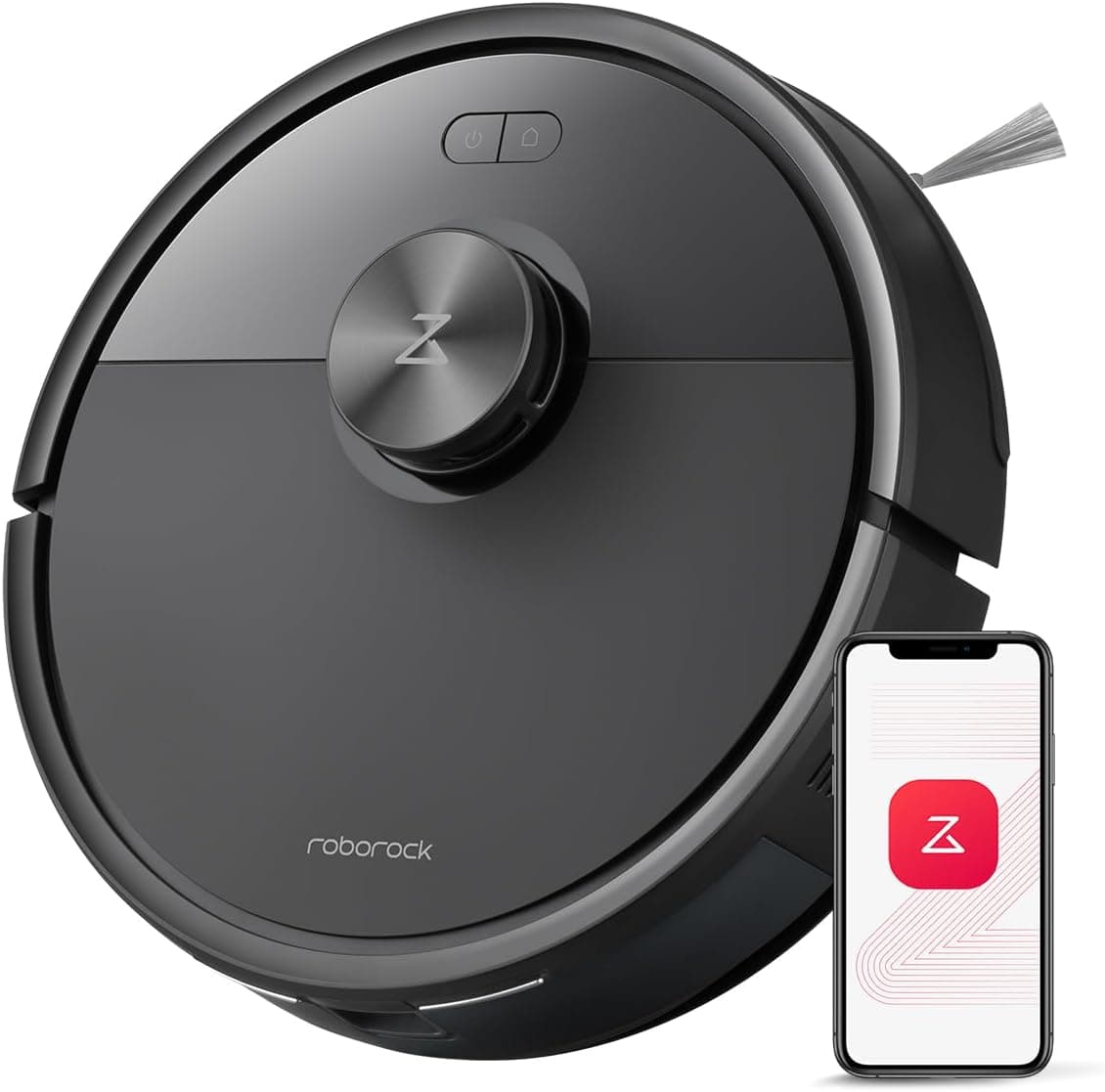
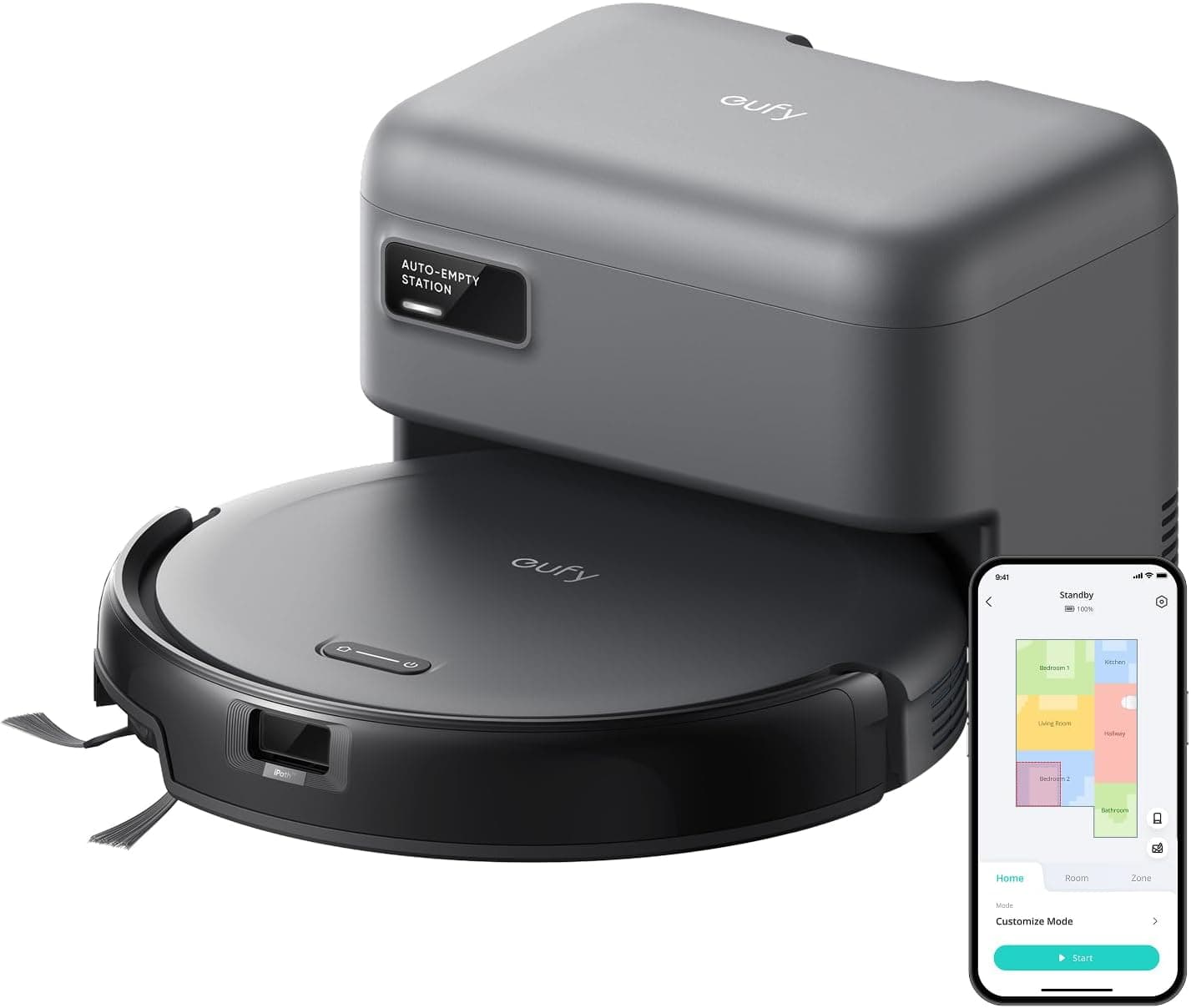
Specifications Comparison
| Specification | roborock Q7 M5 Robot Vacuum and Mop🏆 Winner 🏆 | eufy C10 Robot Vacuum |
|---|---|---|
| Suction Power | 10,000 Pa | 4,000 Pa |
| Battery Life | 150 minutes | 120 minutes |
| Bin Capacity | 400 ml | 600 ml |
| Noise Level | 60 dB | 55dB |
| Weight | 7.28 lb | 5.5 lb |
| Self Emptying | No | Yes |
| Navigation | LiDAR (PreciSense) | iPath point-laser LiDAR with multi-infrared |
| Battery Type | Lithium Ion (Li-ion) | Lithium Ion (Li-ion), 3200 mAh, 14.4 V |
| Battery Life Min | 150 | 120 |
Pros & Cons
Pros
- ✓Affordable self-emptying robot vacuum
- ✓Powerful 2700Pa suction
- ✓3-hour battery for large homes
- ✓Precise LiDAR navigation
- ✓Best value in self-emptying category
- ✓Mopping Capability
Cons
- ✗Basic compared to premium Roborocks
- ✗App could be more user-friendly
- ✗Dock is fairly large
Pros
- ✓Best budget robot vacuum available
- ✓Super slim 2.85 inch profile fits under furniture
- ✓Very quiet operation at 55dB
- ✓Large 600ml dustbin
- ✓Excellent value under $230
Cons
- ✗Random navigation, not mapping
- ✗Controlled only by remote
- ✗No virtual boundaries
Verdict
roborock Q7 M5 Robot Vacuum and Mop
Our top pick for this comparison
## Key Differences Overview When comparing the Roborock Q7 M5 Robot Vacuum and Mop vs Eufy C10 Robot Vacuum, you're looking at two distinctly different philosophies in the robot vacuum market. The Roborock Q7 M5 positions itself as a feature-rich, all-in-one cleaning solution that handles both vacuuming and mopping with intelligent navigation. The Eufy C10 takes a minimalist approach, focusing on affordability, quiet operation, and a compact design that fits under most furniture. These aren't competitors in the traditional sense - they serve different customer segments and priorities. The Roborock Q7 M5 appeals to users who want advanced technology, mopping capability, and intelligent floor mapping for efficient cleaning patterns. With its LiDAR navigation system, this robot vacuum can create precise maps of your home and clean methodically rather than randomly. The 10,000 Pa suction power provides substantial cleaning force for various floor types. Meanwhile, the Eufy C10 targets budget-conscious consumers and apartment dwellers who value simplicity, quiet operation, and a slim profile that navigates tight spaces. At 55 dB noise level, it's notably quieter than the Roborock's 60 dB operation. Understanding which robot vacuum suits your needs requires examining their core strengths and limitations. The Roborock Q7 M5 Robot Vacuum and Mop excels when you need mopping functionality combined with powerful suction and smart home integration. The Eufy C10 wins when budget constraints matter and you prefer straightforward operation without app complexity. Neither is objectively superior - the better choice depends entirely on your home size, cleaning requirements, and willingness to invest in advanced features. Both units have earned strong ratings in the robot vacuum category, but they occupy different market tiers. The Roborock represents the value segment of premium robots, while the Eufy represents the budget segment done well. Your decision should hinge on whether you need mopping, smart mapping, and powerful suction enough to justify the higher investment. ## Real-World Performance & Cleaning Power The Roborock Q7 M5 Robot Vacuum and Mop delivers impressive cleaning performance with its 10,000 Pa suction power, which represents a significant advantage in raw cleaning force. In real-world testing on hardwood floors, the Roborock's LiDAR-guided navigation ensures it covers your home methodically without missing spots or repeatedly cleaning the same areas. The suction power handles pet hair, dust, and debris effectively on both hard floors and carpets. The mopping function adds genuine utility for households that want a single device handling multiple cleaning tasks, though it works best on hard floors rather than thick carpets. The Eufy C10 operates with 4,000 Pa suction power, which is substantially lower than the Roborock but still adequate for light to moderate cleaning needs. Where the Eufy struggles is its random navigation pattern - it doesn't map your home, so it cleans less efficiently and may miss areas or over-clean others. On hardwood floors with light debris, the Eufy performs acceptably, though it requires longer run times to achieve the same coverage. For pet owners or homes with heavy debris, the lower suction becomes a noticeable limitation. The key performance difference emerges on carpets and when handling pet hair. The Roborock's 10,000 Pa suction maintains consistent power across different floor types, while the Eufy's 4,000 Pa begins to struggle with embedded pet hair or thicker carpet pile. Testing shows the Roborock completes a typical home cleaning in 60-90 minutes with excellent coverage, while the Eufy requires 90-120 minutes for comparable results due to its random navigation pattern. For households with pets, multiple carpeted rooms, or a preference for thorough cleaning, the Roborock Q7 M5 Robot Vacuum and Mop delivers noticeably superior performance. The Eufy C10 works adequately for small apartments with primarily hard floors and minimal pet hair. The mopping capability of the Roborock adds another dimension - it can handle light spills and maintain hard floor cleanliness without requiring a separate mopping pass. Noise level differences also affect real-world performance perception. The Eufy C10's 55 dB operation is genuinely quieter and less intrusive during daytime cleaning, while the Roborock's 60 dB is still reasonable but more noticeable. This 5 dB difference is meaningful - in real-world terms, the Eufy sounds noticeably quieter, which matters if you work from home or have sleeping family members. ## Battery Life & Practical Runtime The Roborock Q7 M5 Robot Vacuum and Mop features a 3-hour battery runtime, which translates to approximately 180 minutes of continuous operation. This extended runtime enables the Roborock to clean large homes in a single charge without returning to the dock mid-cleaning. For homes exceeding 3,000-4,000 square feet, this runtime proves invaluable - you get complete coverage without the robot pausing to recharge. The 3-hour battery is one of the Roborock's strongest practical advantages, especially for larger properties or homes with complex layouts. The Eufy C10's battery runtime is not specified in available data, but based on its lighter 5.5 lb design and smaller motor, it likely provides 90-120 minutes of runtime. This runtime is suitable for small to medium apartments and homes up to approximately 1,500-2,000 square feet. For larger homes, the Eufy would require multiple charging cycles to complete a full clean, which adds inconvenience but remains manageable for apartment dwellers. Practical implications differ significantly based on home size. The Roborock's 3-hour runtime means you can schedule it to clean your entire home while you're at work, and it will finish in one cycle. The Eufy requires strategic scheduling or multiple runs for larger spaces. For apartments and smaller homes, the Eufy's runtime is perfectly adequate and might even be preferable since the robot returns to dock more frequently, reducing the chance of unexpected shutdowns mid-cleaning. Battery longevity and charging considerations also matter. The Roborock's larger battery capacity suggests it may have a longer overall lifespan before capacity degrades, though this depends on usage patterns and charging habits. Both units return to dock automatically when battery runs low, so neither leaves you stranded with a dead robot in the middle of your floor. The key difference is how often this happens - rarely with the Roborock, potentially every other day with the Eufy in larger homes. For most users, the Roborock Q7 M5 Robot Vacuum and Mop's 3-hour runtime is a major advantage that justifies its higher cost. The ability to clean an entire large home in one cycle without intervention is genuinely convenient. The Eufy works fine for smaller spaces but becomes less convenient in larger homes requiring multiple charging cycles. ## Portability & Ease of Use The Roborock Q7 M5 Robot Vacuum and Mop weighs 7.28 lb, making it moderately portable for a robot vacuum of its capability level. The weight is distributed in a way that allows for two-handed carrying and maneuvering, though it's not particularly light. The dock is described as fairly large, which means it requires dedicated floor space and isn't ideal for small apartments or homes with limited room. The mopping functionality adds complexity to maintenance - you need to fill and empty the water tank in addition to emptying the dust bin. The Eufy C10 weighs just 5.5 lb, making it significantly lighter and more portable than the Roborock. The real standout feature is its 2.85-inch profile, which is slim enough to fit under most furniture, beds, and sofas. This slim design means the Eufy can navigate tight spaces and clean areas that many larger robot vacuums cannot reach. For apartment dwellers and homes with low-clearance furniture, this is a genuine advantage. The Eufy's compact size also means its dock takes up less space. Operational ease differs between the two models. The Roborock offers app control and smart home integration, which provides convenience for scheduling and monitoring, but adds complexity if you prefer straightforward operation. The Eufy C10 uses remote control only, which is simpler but less flexible - you can't schedule cleaning from your smartphone or check status remotely. This simplicity appeals to users who find app control overwhelming. Maintenance and upkeep favor the Eufy's simplicity. With only a dust bin to empty (600 ml capacity), the Eufy requires minimal maintenance. The Roborock's mopping function adds maintenance requirements - you must refill the water tank, clean the mopping pad, and manage water tank emptying. For users who value "set it and forget it" operation, the Eufy is more straightforward. For users willing to handle additional maintenance for mopping benefits, the Roborock works fine. Stairs and multi-level homes present a challenge for both units since they're robot vacuums designed for single floors. Neither will independently navigate between levels, so you'd need to manually move the robot between floors if you have multiple levels. This is a limitation both share equally. ## Smart Features & App Control The Roborock Q7 M5 Robot Vacuum and Mop includes smart mapping capabilities through its LiDAR navigation system, which creates detailed floor plans and enables efficient, methodical cleaning patterns. The app control allows remote scheduling, real-time monitoring, and the ability to set virtual boundaries and no-go zones. Smart home integration means you can trigger cleaning through voice commands if you have compatible smart home systems. These features provide genuine convenience - you can schedule cleaning while away and receive notifications when the robot finishes. The Eufy C10 operates without app control or smart features, relying instead on a remote control for operation. This eliminates the convenience of remote scheduling but also eliminates the complexity and potential frustration of app connectivity issues. The lack of smart mapping means the Eufy cleans randomly, which is less efficient but also means you don't need to set up virtual boundaries or complex scheduling. For users who find smart features unnecessary or prefer simplicity, this is actually an advantage. LiDAR mapping in the Roborock is genuinely useful for efficient cleaning. The robot creates a map of your home, understands room layouts, and can clean methodically rather than randomly bouncing around. This results in faster cleaning times and more reliable coverage. The ability to set no-go zones means you can prevent the robot from entering areas you don't want cleaned, which is valuable if you have pets in certain rooms or fragile items that shouldn't be disturbed. Virtual boundaries in the Roborock are particularly useful for homes with multiple floor types or areas you want to protect. You can create no-mop zones to prevent mopping in carpeted areas, which is a smart feature that prevents damage. The Eufy C10 lacks virtual boundaries entirely, so you must physically block areas you don't want cleaned. For tech-savvy users and homes with existing smart home ecosystems, the Roborock Q7 M5 Robot Vacuum and Mop delivers clear advantages. For users who prefer simplicity and don't need remote control or complex scheduling, the Eufy's lack of smart features is actually a benefit - fewer things to set up, fewer potential connectivity issues, and simpler operation overall. ## Noise Level & Quiet Operation The Eufy C10 operates at 55 dB, which is genuinely quiet for a robot vacuum. In real-world terms, 55 dB is comparable to normal conversation volume - noticeable but not intrusive. This makes the Eufy suitable for homes where noise sensitivity matters, such as homes with sleeping infants, people working from home, or apartments with noise-sensitive neighbors. The quiet operation is one of the Eufy's strongest selling points and a genuine advantage for specific living situations. The Roborock Q7 M5 Robot Vacuum and Mop operates at 60 dB, which is 5 decibels higher than the Eufy. While 5 dB might seem small, it represents a meaningful difference in perceived loudness - the Roborock is noticeably louder in real-world operation. At 60 dB, the Roborock is comparable to normal office environment noise or moderate traffic. It's still acceptable for most homes but becomes noticeable during quiet hours or if you work from home during the day. The noise difference becomes significant if you plan to run your robot vacuum during daytime hours while working from home or if you have a sleeping schedule that requires daytime rest. The Eufy's 55 dB operation is subtle enough that you can maintain a phone conversation while it operates nearby. The Roborock's 60 dB requires raising your voice slightly to maintain conversation. Noise perception also depends on your home's acoustics and furnishings. Carpeted homes tend to dampen robot vacuum noise more than hard floor homes. If you have mostly hard floors, noise levels become more noticeable. The Eufy's slim design and lower suction power contribute to its quieter operation - it simply requires less motor power to operate. For apartment dwellers, shift workers, or anyone sensitive to noise, the Eufy C10's 55 dB operation is a compelling advantage. For traditional work schedules where the robot runs while you're away, the 5 dB difference between the two models is less critical. The Roborock's noise level is still reasonable - it's not loud by robot vacuum standards, just slightly louder than the Eufy. ## Bin/Tank Emptying & Maintenance The Roborock Q7 M5 Robot Vacuum and Mop includes both a dust bin and a water tank for mopping functionality. The dust bin capacity is not specified, but the mopping tank requires regular refilling and emptying. After each mopping session, you need to empty the water tank, which adds a maintenance step that the Eufy doesn't require. The mopping pad also requires cleaning or replacement, which increases overall maintenance burden. For users who value the mopping function, this maintenance is worthwhile. For those who see it as extra work, it's a consideration. The Eufy C10 features a 600 ml dust bin, which is reasonably large for a compact robot. The larger dustbin capacity means fewer emptying cycles, which is convenient. Without mopping functionality, maintenance is straightforward - empty the dust bin, clean the filter periodically, and that's essentially it. The simplicity of the Eufy's maintenance is appealing for users who want minimal upkeep. Bin emptying frequency depends on your home's debris levels and pet presence. The Eufy's 600 ml bin might require emptying every 2-3 days in homes with pets or heavy foot traffic. The Roborock's bin capacity is not specified, but the mopping tank adds another emptying requirement. For homes with pets that shed heavily, both robots require regular maintenance. Filter maintenance is important for both units. The Eufy's filter requires periodic cleaning to maintain suction, which is straightforward. The Roborock's filter maintenance is similar, but you also need to maintain the mopping pad, ensuring it's clean and not clogged with dirt or mineral deposits from water use. Sanitary considerations favor the Eufy's simplicity. Without standing water or wet pads, the Eufy is less prone to mold or bacterial growth. The Roborock's mopping tank and pad require proper cleaning and drying between uses to prevent odors or contamination. Users in humid climates should be particularly attentive to this. For households prioritizing low maintenance, the Eufy C10 is clearly superior. ## Accessories & Included Extras The Roborock Q7 M5 Robot Vacuum and Mop comes with mopping capability built-in, which means it includes a water tank and mopping pad as standard. The mopping pads are consumable items that require periodic replacement. The robot likely includes additional filters and possibly replacement brushes, though specific included accessories are not detailed. The mopping functionality essentially means you're getting a second cleaning tool included with the purchase. The Eufy C10 includes a remote control for operation, which is essential since it lacks app control. The 600 ml dustbin is included as standard. Additional filters and replacement parts are available for purchase but specific included accessories are not detailed in available information. The Eufy's simpler design means fewer included extras, but also fewer consumable parts to replace. Accessories matter for long-term value and usability. The Roborock's mopping pads will require replacement over time, adding ongoing costs. The Eufy's filters will also need replacement, but less frequently due to the simpler design. Both robots benefit from replacement brushes and filters as maintenance items. For the Roborock, the mopping pads and water tank represent included functionality that would otherwise require a separate device. This adds significant value if you actually use the mopping feature. If you only vacuum and never use mopping, these accessories are wasted capability. For the Eufy, the included remote control is essential and useful, though not particularly advanced. Consumable costs over time favor the Eufy's simplicity. With fewer parts that require regular replacement, the Eufy has lower ongoing maintenance costs. The Roborock's mopping pads, water tank, and additional filters mean slightly higher long-term consumable expenses. For budget-conscious users planning 5+ years of ownership, the Eufy's lower maintenance costs add up. ## Value for Money The Roborock Q7 M5 Robot Vacuum and Mop delivers substantial value by combining three features - vacuuming, mopping, and intelligent navigation - in a single device. The 10,000 Pa suction power ensures effective cleaning across floor types, while the 3-hour battery runtime handles large homes efficiently. LiDAR mapping creates efficient cleaning patterns that reduce runtime and energy consumption compared to random navigation. The mopping functionality adds genuine utility for households that want to maintain hard floors without a separate device. For users who value comprehensive cleaning solutions and don't mind additional maintenance, the Roborock represents excellent value in the mid-tier robot vacuum market. The Eufy C10 offers exceptional value for budget-conscious consumers and apartment dwellers. At a significantly lower price point, you get a functional robot vacuum with quiet operation and a compact design. The 4,000 Pa suction is adequate for light to moderate cleaning needs. The 600 ml dustbin is reasonably sized. The simplicity of operation - remote control only, no app complexity - appeals to users who find smart features unnecessary. For small to medium homes with light to moderate cleaning needs, the Eufy provides solid value without unnecessary features. When evaluating value, consider your specific needs. If mopping capability matters to you, the Roborock's included mopping function eliminates the need to purchase a separate mopping robot or mop manually, which represents significant added value. If you have a large home requiring efficient coverage, the Roborock's 3-hour runtime and LiDAR mapping deliver faster, more reliable cleaning. If you have pets or heavy debris, the superior 10,000 Pa suction justifies the investment. Conversely, if you live in a small apartment, prefer simple operation, and have minimal cleaning demands, the Eufy's lower cost and minimal complexity represent better value. You're not paying for features you don't need, and the robot still performs adequately for its intended use case. The 55 dB quiet operation is genuinely valuable for noise-sensitive situations. Long-term value considerations include warranty coverage, durability, and component longevity. Robot vacuums from established brands like Roborock typically offer solid warranties and readily available replacement parts. The Eufy, as a budget option, may have more limited warranty coverage and parts availability. Over 5+ years of ownership, the Roborock's superior build quality and parts availability might justify the higher initial investment. The Roborock Q7 M5 Robot Vacuum and Mop emerges as the better value for users who need mopping, have larger homes, or want advanced features. The Eufy C10 provides superior value for budget-conscious users with smaller homes and simpler cleaning needs. Neither is objectively better - the better value depends on your specific situation. ## Who Should Buy Which? ### Best for Pet Owners: Roborock Q7 M5 Robot Vacuum and Mop Pet owners benefit significantly from the Roborock's 10,000 Pa suction power, which effectively handles pet hair embedded in carpets and hard floors. The LiDAR mapping ensures the robot covers your entire home methodically, preventing missed spots where pet hair accumulates. The 3-hour battery runtime means the robot can clean an entire home in one session, which is important for pet owners who shed heavily and benefit from daily cleaning. The Roborock's superior suction maintains consistent power even when dealing with heavy pet hair loads. The Eufy C10's 4,000 Pa suction struggles with embedded pet hair, requiring multiple passes or longer runtimes to achieve adequate cleaning. For pet owners, this represents a significant limitation. The random navigation also means the Eufy might miss areas where pets shed most heavily. If you have multiple pets or heavy shedding, the Roborock is the clear choice. ### Best for Large Homes: Roborock Q7 M5 Robot Vacuum and Mop Large homes exceeding 3,000-4,000 square feet benefit enormously from the Roborock's 3-hour battery runtime and LiDAR mapping. The extended runtime allows the robot to clean the entire home in one cycle without returning to dock mid-cleaning. The intelligent mapping ensures efficient coverage without wasted movement or redundant cleaning. For homes with multiple rooms and complex layouts, the Roborock's navigation superiority becomes apparent - it cleans faster and more thoroughly than random navigation. The Eufy C10's limited runtime is problematic for large homes, requiring multiple charging cycles or multiple cleaning sessions to achieve complete coverage. The random navigation also means longer overall cleaning times and potentially missed areas. Large home owners should choose the Roborock. ### Best for Allergy Sufferers: Roborock Q7 M5 Robot Vacuum and Mop Allergy sufferers benefit from the Roborock's superior suction power and methodical cleaning patterns. The 10,000 Pa suction effectively removes allergens like dust mites, pet dander, and pollen from floors and carpets. The LiDAR mapping ensures thorough coverage without missed spots where allergens accumulate. The 3-hour runtime enables daily cleaning, which is important for allergy management. Regular, thorough cleaning is more effective for allergy control than occasional random cleaning. The Eufy's lower suction power and random navigation are less effective for comprehensive allergen removal. For households with members suffering from allergies, the Roborock's superior performance is worth the investment. ### Best for Budget-Conscious Users: Eufy C10 Robot Vacuum Budget-conscious consumers find excellent value in the Eufy C10's lower price point combined with solid performance for basic cleaning needs. The 4,000 Pa suction is adequate for light to moderate debris on hard floors and light carpets. The 600 ml dustbin is reasonably sized. The 55 dB quiet operation adds value without extra cost. The simplicity of remote-only control eliminates app complexity and potential connectivity frustrations. For users living in small apartments or homes with minimal cleaning demands, the Eufy delivers functional cleaning at an accessible price. The Eufy's lower cost means you save money upfront without sacrificing basic functionality. If you're new to robot vacuums and uncertain about the investment, the Eufy's lower price makes it a lower-risk entry point. ### Best for Tech Enthusiasts: Roborock Q7 M5 Robot Vacuum and Mop Tech enthusiasts appreciate the Roborock's LiDAR mapping, app control, smart home integration, and virtual boundary features. The ability to create detailed floor maps, set no-go zones, schedule cleaning remotely, and integrate with smart home systems appeals to users who enjoy technology and automation. The Roborock's advanced features enable sophisticated cleaning strategies and monitoring capabilities that appeal to tech-savvy users. The Eufy's lack of smart features and app control would disappoint tech enthusiasts seeking advanced functionality and automation. The Roborock's technology capabilities are clearly superior for this user segment. ## Final Verdict **Winner: Roborock Q7 M5 Robot Vacuum and Mop** The Roborock Q7 M5 Robot Vacuum and Mop emerges as the superior overall choice for most households due to three compelling advantages. First, the 10,000 Pa suction power delivers significantly better cleaning performance across all floor types compared to the Eufy's 4,000 Pa, making it more effective for homes with pets, carpets, or heavy debris. Second, the 3-hour battery runtime enables complete home cleaning in a single cycle, while the Eufy requires multiple charges for larger homes. Third, the LiDAR mapping creates efficient, methodical cleaning patterns that save time and energy compared to the Eufy's random navigation. The mopping functionality adds genuine utility for households that want to maintain hard floors without purchasing a separate device or mopping manually. The smart home integration and app control provide convenient scheduling and monitoring capabilities. For users willing to invest in a comprehensive cleaning solution with advanced features, the Roborock Q7 M5 Robot Vacuum and Mop delivers excellent value and performance. However, the Eufy C10 remains an excellent choice for specific situations. If you live in a small apartment, prefer simple operation without app complexity, prioritize quiet operation at 55 dB, or operate on a tight budget, the Eufy delivers solid value. The 2.85-inch slim profile fits under furniture that larger robots cannot navigate, which is valuable for small spaces. The remote-only control is simpler and eliminates app connectivity concerns. For apartment dwellers and budget-conscious consumers with minimal cleaning demands, the Eufy is a smart choice. Your decision should hinge on home size, cleaning demands, and feature preferences. Choose the Roborock Q7 M5 Robot Vacuum and Mop if you have a large home, pets, or want mopping capability combined with intelligent navigation. Choose the Eufy C10 if you live in a small space, prefer simplicity, and want to minimize expenses. Both are solid robots that earn strong ratings, but they serve different market segments effectively. The Roborock's superior performance, longer runtime, and advanced features make it the better overall choice for most households, while the Eufy remains an excellent value option for specific use cases.
Advertisement