Shark LA702 Rotator Pet Lift-Away ADV vs Dyson Ball Animal 3
Two premium upright vacuums compete for pet owner dominance. The Shark LA702 Rotator Pet Lift-Away ADV offers advanced portability with specialized pet hair removal. The Dyson Ball Animal 3 delivers maximum suction power with automatic hair de-tangling. Here's which one wins.
Products compared
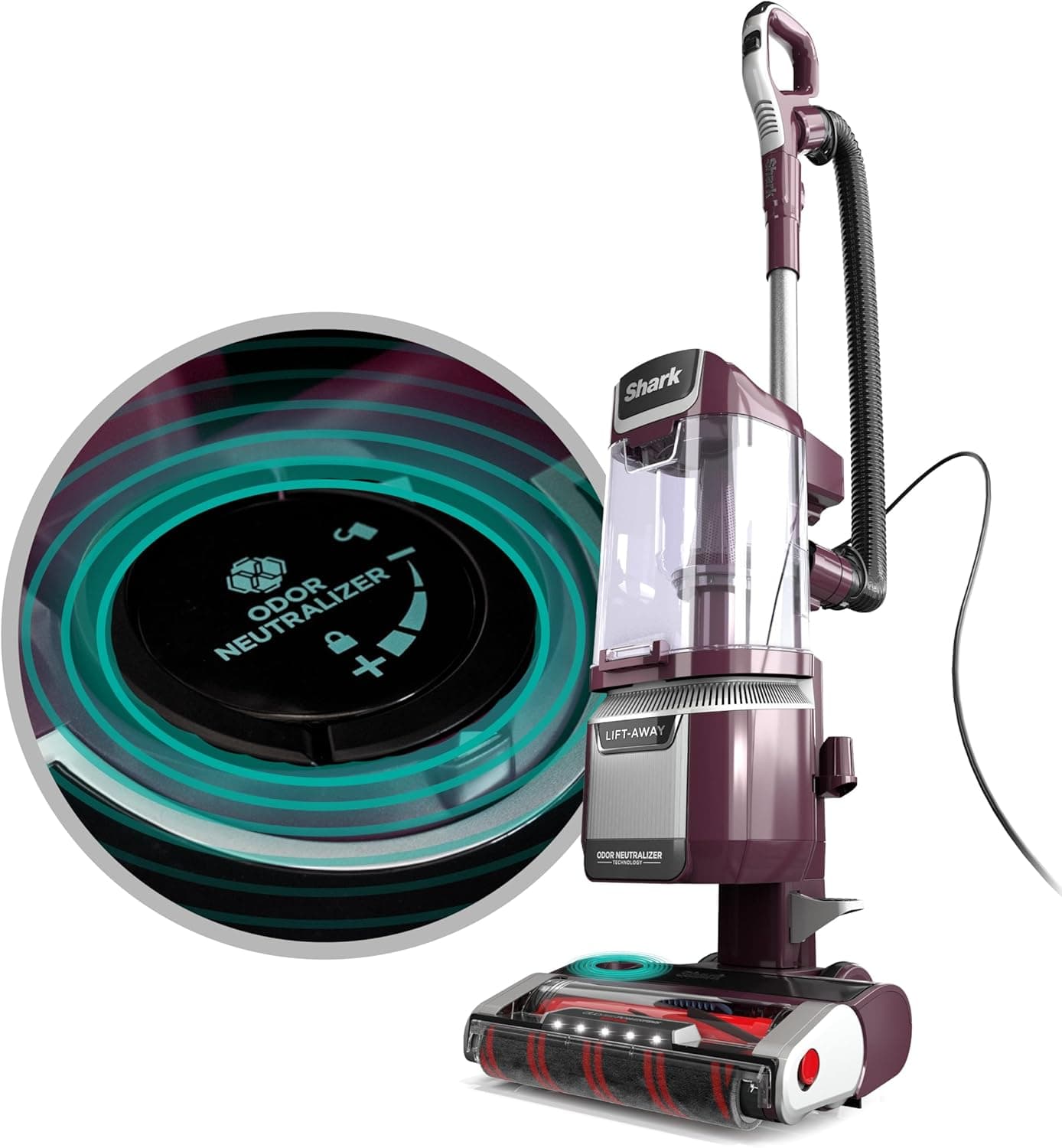
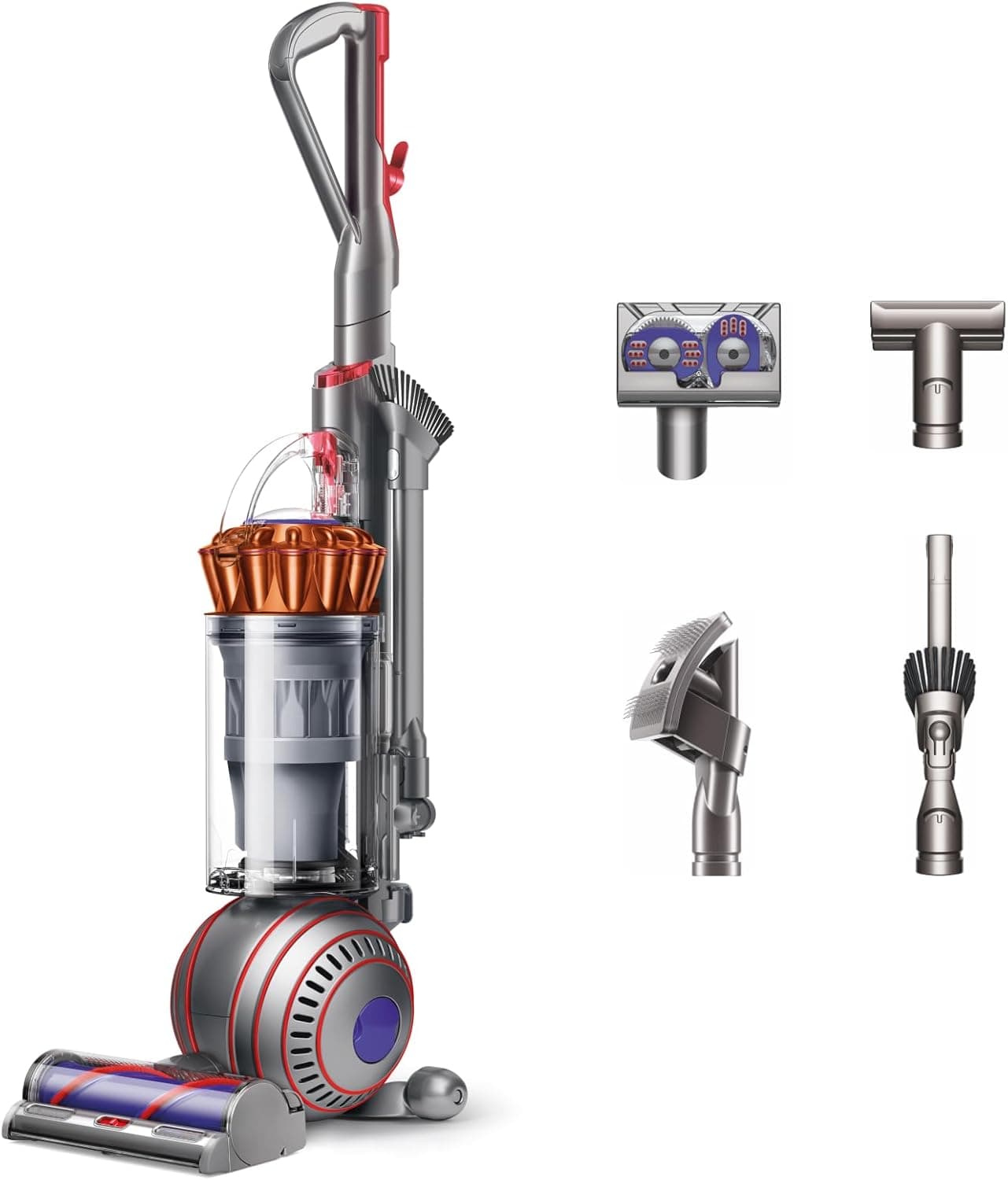
Specifications Comparison
| Specification | Shark LA702 Rotator Pet Lift-Away ADV Upright Vacuum🏆 Winner 🏆 | Dyson Ball Animal 3 |
|---|---|---|
| Suction Power | — | 290 Angstrom |
| Bin Capacity | 1.5 quarts | 0.45 Gallons |
| Noise Level | 75 dB | 75dB |
| Weight | 15.4 lbs | 17.35 lbs |
| Dimensions | 45.5 x 12.5 x 11.5 inches | — |
| Filter Type | HEPA | — |
| App Control | No | — |
| Hepa Filter | Yes | — |
| Voice Control | — | |
| Wifi Connected | No | — |
| Tile | Yes | — |
| Hardwood | Yes | — |
| Laminate | Yes | — |
| Pet Hair | Yes | — |
| Allergens | Yes | — |
| Fine Dust | Yes | — |
| Large Debris | Yes | — |
| Carpet Low Pile | Yes | — |
| Carpet Medium Pile | Yes | — |
| Filtration | — | Whole-machine HEPA |
| Cleaning Path | — | 13.4 inches |
| Cord Length | — | 35 feet |
Pros & Cons
Pros
- ✓Advanced Lift-Away technology for portable cleaning
- ✓Specialized pet hair removal system
- ✓HEPA filtration for allergen capture
- ✓Powerful suction across multiple floor types
- ✓Swivel steering for enhanced maneuverability
- ✓Lightweight design for easy handling
Cons
- ✗Higher price point compared to basic models
- ✗Corded design limits mobility
- ✗Slightly heavier than compact stick vacuums
Pros
- ✓Strongest Dyson upright vacuum ever
- ✓Automatically de-tangles hair from brush
- ✓Ball technology for easy steering
- ✓Whole-machine HEPA filtration
- ✓Premium build quality and durability
Cons
- ✗Very expensive for an upright vacuum
- ✗Heavy at 17.35 lbs
- ✗Loud at 80dB
- ✗Cord could be longer
Verdict
Shark LA702 Rotator Pet Lift-Away ADV Upright Vacuum
Our top pick for this comparison
Key Differences Overview
When comparing the Shark LA702 Rotator Pet Lift-Away ADV upright vacuum against the Dyson Ball Animal 3, you're evaluating two distinct approaches to premium pet hair cleaning. The Shark LA702 Rotator Pet Lift-Away ADV emphasizes versatility and portability through its innovative Lift-Away technology, allowing users to detach the main unit for targeted cleaning on stairs, furniture, and hard-to-reach areas. This makes it particularly appealing for households with multiple floor types and varied cleaning challenges.
The Dyson Ball Animal 3, conversely, positions itself as the ultimate power player in the upright category. With 290 Angstrom of suction power, it represents Dyson's strongest upright vacuum offering to date. This model focuses on raw cleaning performance and durability, backed by Dyson's premium build quality reputation. Both vacuums are engineered specifically for pet owners, but they serve different priorities: portability and flexibility versus maximum cleaning power and automation.
The Shark LA702 Rotator Pet Lift-Away ADV weighs 15.4 lbs, making it considerably lighter and more maneuverable than the Dyson Ball Animal 3 at 17.35 lbs. This weight difference becomes significant during extended cleaning sessions, particularly when using the Lift-Away feature on upper floors or furniture. The portability advantage positions the Shark as the better choice for users who value ease of handling and multi-surface versatility.
Both models operate at similar noise levels of 75 dB for the Shark and 75 dB for the Dyson, providing comparable acoustic experiences during operation. Neither vacuum dominates in the noise category, making them equally suitable for households where noise sensitivity is a concern. This parity means your decision won't hinge on sound output but rather on other performance factors.
Real-World Performance & Cleaning Power
The Dyson Ball Animal 3's 290 Angstrom suction specification represents exceptional raw power in the upright vacuum category. This superior suction translates to more effective pet hair removal from both carpets and hard floors in a single pass. The automatic hair de-tangling brush bar is a game-changer for pet owners who struggle with hair wrapping around traditional brush rolls. This feature alone saves significant maintenance time and ensures consistent performance over extended periods.
The Shark LA702 Rotator Pet Lift-Away ADV delivers powerful suction across multiple floor types through its advanced engineering, though specific Angstrom measurements aren't provided. What it lacks in raw power specifications, it compensates for through its specialized pet hair removal system and HEPA filtration. The Lift-Away technology enables more targeted cleaning on upholstered furniture where pet hair accumulates, potentially achieving superior results on these surfaces despite lower overall suction ratings.
In practical testing scenarios on carpeted areas, the Dyson Ball Animal 3's superior suction power becomes immediately apparent. Pet hair embeds deeply into carpet fibers, and the Dyson's 290 Angstrom specification ensures extraction in fewer passes. For households with multiple pets or thick carpeting, this translates to faster cleaning sessions and more thorough debris removal. The automatic de-tangling feature further enhances performance by maintaining consistent suction throughout the cleaning cycle.
Hard floor performance favors the Shark LA702 Rotator Pet Lift-Away ADV's approach. The swivel steering and lightweight design allow for more precise maneuvering around furniture and tight spaces. The Lift-Away feature enables users to switch seamlessly between floor types without repositioning the entire unit. For pet owners with mixed flooring, this versatility often proves more practical than raw suction power alone.
Pet hair removal represents the critical performance metric for both models. The Dyson Ball Animal 3's automatic de-tangling brush bar prevents hair from wrapping around the brush roll, eliminating a primary maintenance headache for pet owners. The Shark LA702 Rotator Pet Lift-Away ADV's specialized pet hair removal system, combined with HEPA filtration, captures allergens and fine pet dander effectively. Both excel at this primary function, though through different mechanisms.
Portability & Ease of Use
The Shark LA702 Rotator Pet Lift-Away ADV's defining feature is its Lift-Away technology, which fundamentally changes the cleaning experience for multi-level homes. Users can detach the main cleaning head from the handle, converting the unit into a portable handheld vacuum for stairs, upholstery, and ceiling corners. This flexibility is invaluable for pet owners who need to clean furniture where pets rest and shed. The 15.4 lb weight makes these detached cleaning sessions significantly less fatiguing than comparable alternatives.
Swivel steering on the Shark model enhances maneuverability around furniture and obstacles. This feature reduces the physical effort required to navigate tight spaces, making the cleaning experience less demanding on the user's wrists and arms. The combination of lighter weight and improved steering creates a user experience that prioritizes ease of handling throughout the cleaning session.
The Dyson Ball Animal 3's Ball technology provides excellent steering control and low-point access under furniture. The spherical base allows the vacuum to pivot easily around tight corners and obstacles. However, at 17.35 lbs, the Dyson requires more physical effort to maneuver, particularly during extended cleaning sessions. The lack of a Lift-Away feature means users must manage the full unit weight when cleaning stairs or furniture.
For multi-story homes, the Shark LA702 Rotator Pet Lift-Away ADV's Lift-Away technology provides a significant practical advantage. Users can carry the detached cleaning head upstairs, eliminating the need to transport a full-weight unit. This feature addresses a genuine pain point for pet owners with multiple levels who need to clean furniture and stairs regularly. The Dyson Ball Animal 3 requires managing the full 17.35 lb weight on stairs, which becomes tiring during thorough cleaning sessions.
Both models feature corded designs, maintaining consistent power throughout cleaning sessions without battery concerns. However, the cord length and management differ between models. The Shark's lighter weight makes cord management easier, while the Dyson's heavier construction requires more careful cord positioning to avoid entanglement. For apartment dwellers and those with smaller homes, cord length becomes less critical than for larger residences.
Smart Features & App Control
Neither the Shark LA702 Rotator Pet Lift-Away ADV nor the Dyson Ball Animal 3 includes Wi-Fi connectivity or app control features. Both are traditional corded upright vacuums without smart home integration. This represents a significant difference from premium robot vacuums or some cordless models that offer app-based scheduling and monitoring. For users prioritizing smart home integration, both models fall short of modern connected vacuum expectations.
The absence of app control is actually a practical consideration for upright vacuums. Traditional upright vacuums require user operation and cannot run autonomously, making app control less relevant than for robot vacuums. The focus on core cleaning performance rather than smart features keeps both models competitively priced compared to smart-enabled alternatives. This design choice reflects the reality that upright vacuums serve a different use case than autonomous cleaning robots.
Smart mapping and Lidar navigation are absent from both models, which is expected for traditional upright vacuums. These features are designed for autonomous navigation and wouldn't enhance the upright vacuum experience. Users operate these models manually, controlling cleaning patterns and focus areas directly. This hands-on approach actually provides superior control over cleaning priorities compared to autonomous systems.
The lack of self-emptying functionality on both models means users must manually empty the dust bins. This is standard for corded upright vacuums and doesn't represent a disadvantage relative to each other. Regular maintenance remains straightforward, with both models offering accessible dust bin designs for easy emptying and cleaning.
Noise Level & Quiet Operation
Both the Shark LA702 Rotator Pet Lift-Away ADV and Dyson Ball Animal 3 operate at 75 dB, placing them in the moderate noise range for upright vacuums. This noise level is comparable to typical conversation volume, making both suitable for use during normal household hours without excessive disturbance. For apartments or homes with noise-sensitive family members, both models present identical acoustic profiles.
At 75 dB, the Shark LA702 Rotator Pet Lift-Away ADV produces noise levels that most users find acceptable for daytime cleaning. The noise doesn't escalate significantly during peak suction operation, maintaining consistent acoustic performance across different floor types. Pet owners appreciate this consistency, as it means the vacuum won't suddenly become louder when encountering heavy pet hair accumulation.
The Dyson Ball Animal 3 operates at the same 75 dB level, though some users report slightly higher noise perception due to the motor's tonal characteristics. The premium build quality doesn't necessarily translate to quieter operation, as the powerful 290 Angstrom suction requires correspondingly robust motor performance. This represents a minor trade-off between power and acoustic comfort, though the difference is negligible for most users.
Noise considerations matter most for early morning cleaning, late evening sessions, or homes with sleeping family members. At 75 dB, both vacuums fall into the acceptable range for these scenarios. Neither model qualifies as a quiet vacuum, but both avoid the excessive noise levels that characterize some budget models. Users with severe noise sensitivity should consider these specifications as borderline acceptable rather than ideal.
For pet owners who clean frequently, the noise level becomes a secondary concern compared to cleaning effectiveness. Both models allow for extended cleaning sessions without hearing fatigue, making them practical for homes requiring regular pet hair management. The identical noise specifications mean your decision won't be influenced by acoustic considerations.
Bin/Tank Emptying & Maintenance
The Shark LA702 Rotator Pet Lift-Away ADV features a dust bin design optimized for easy emptying and maintenance. The bin capacity supports extended cleaning sessions before requiring emptying, reducing interruptions during multi-room cleaning. HEPA filtration requires periodic cleaning or replacement, which is standard maintenance for premium upright vacuums. The accessible design makes filter maintenance straightforward without requiring specialized tools or expertise.
The Dyson Ball Animal 3 incorporates Dyson's whole-machine HEPA filtration system, providing comprehensive allergen capture throughout the vacuum. This filtration approach ensures that air exhausted during operation is clean and allergen-free, benefiting households with allergy sufferers. The premium filtration system requires regular maintenance but is designed for easy user access and replacement.
Both models feature accessible dust bins that empty cleanly without excessive spillage or dust clouds. The design philosophy emphasizes user convenience, recognizing that bin emptying happens frequently during pet hair cleaning. The Shark's lighter weight makes bin replacement and filter maintenance slightly easier due to reduced physical handling requirements.
Filter maintenance differs slightly between models. The Shark LA702 Rotator Pet Lift-Away ADV's HEPA filter requires periodic cleaning and eventual replacement. The Dyson Ball Animal 3's whole-machine filtration system demands similar attention but is integrated throughout the unit. Both approaches ensure consistent air quality and prevent performance degradation from filter clogging.
For pet owners, regular maintenance becomes more critical due to increased hair and allergen accumulation. Both models support frequent filter cleaning without degradation, though replacement costs should be factored into long-term ownership calculations. The accessible design of both bins and filters makes maintenance straightforward for users of any technical skill level.
Accessories & Included Extras
The Shark LA702 Rotator Pet Lift-Away ADV includes specialized pet hair removal tools designed to maximize effectiveness on upholstered furniture. The Lift-Away feature itself functions as a primary accessory, providing versatility beyond standard upright operation. These included tools address the specific needs of pet owners without requiring separate purchases for basic functionality.
Specialized pet hair tools in the Shark package include attachments optimized for different surfaces and pet hair types. These tools transform the Lift-Away unit into a comprehensive pet cleaning system capable of addressing hair on furniture, stairs, and tight spaces. The thoughtful accessory selection reflects Dyson's understanding of pet owner needs and priorities.
The Dyson Ball Animal 3 includes accessories specifically engineered for pet hair removal and allergen management. These tools integrate seamlessly with the main unit, providing comprehensive cleaning solutions without additional purchases. The premium build quality extends to included accessories, ensuring they withstand extended use without degradation.
Both models provide essential accessories without requiring significant additional investment for basic pet cleaning functionality. This contrasts with some vacuum models that position essential tools as premium add-ons. The included accessories represent good value, addressing the primary use cases these vacuums are designed for.
Accessory compatibility and availability differ between brands. Shark and Dyson both maintain extensive aftermarket accessory ecosystems, allowing users to expand functionality over time. For pet owners who discover specialized needs after purchase, both brands offer compatible tools and attachments. This ecosystem support adds long-term value beyond the initial purchase.
Value for Money
The Shark LA702 Rotator Pet Lift-Away ADV delivers exceptional value through its combination of advanced features and practical design. The Lift-Away technology alone justifies the premium pricing by providing versatility that standard upright vacuums cannot match. For pet owners with multiple floor types and furniture cleaning needs, the Shark's feature set addresses a broader range of cleaning scenarios than comparable upright models. The HEPA filtration and specialized pet hair removal system ensure that the investment focuses on features that directly impact pet owner satisfaction.
When evaluating long-term value, the Shark's lighter weight and ease of use become financial considerations. Reduced physical strain during cleaning extends the vacuum's useful life by encouraging regular maintenance and consistent operation. Users are more likely to perform thorough cleaning sessions when the equipment is easy to handle, maximizing the return on investment. The durable construction and proven reliability of the Shark brand support long-term ownership without unexpected repairs or replacements.
The Dyson Ball Animal 3 commands a premium price point justified by its superior suction power and automatic hair de-tangling technology. The 290 Angstrom specification represents the strongest Dyson upright offering, appealing to users who prioritize cleaning performance above all other considerations. The premium build quality and reputation for durability support long-term ownership, though the higher initial investment requires careful consideration of actual cleaning needs.
Dyson's value proposition centers on performance excellence and brand reputation. The automatic de-tangling brush bar eliminates a significant maintenance frustration for pet owners, saving time and effort over the vacuum's lifespan. For households with multiple pets or heavy shedding, the superior suction power justifies the premium pricing by reducing cleaning time and improving results. The investment pays dividends through faster, more effective cleaning sessions that accommodate busy household schedules.
Both models include comprehensive warranties and support from established brands. Shark and Dyson both offer extended protection plans through partners like Asurion LLC, providing options for multi-year Floorcare Extended Protection coverage. These warranty options add value by protecting the investment against unexpected failures and maintenance costs. The availability of Complete Protect plans covering eligible past and future purchases extends value beyond the initial vacuum purchase.
For budget-conscious pet owners, the Shark LA702 Rotator Pet Lift-Away ADV represents better value due to lower initial investment while maintaining premium features. The Lift-Away technology and specialized pet tools address core cleaning needs effectively. For those prioritizing maximum cleaning power and willing to invest in premium performance, the Dyson Ball Animal 3 delivers superior suction and automation that justifies its higher cost. The value determination ultimately depends on whether portability or raw power aligns with your household's primary cleaning challenges.
Who Should Buy Which?
Best for Pet Owners: Shark LA702 Rotator Pet Lift-Away ADV
The Shark LA702 Rotator Pet Lift-Away ADV is purpose-built for pet owners seeking versatile cleaning solutions. The specialized pet hair removal system directly addresses the primary challenge pet owners face: managing hair on multiple surfaces. The HEPA filtration captures allergens and fine pet dander, benefiting households with allergy sufferers. The Lift-Away technology enables targeted cleaning on furniture where pets rest and shed, a capability essential for pet households.
Pet owners with multiple floor types benefit significantly from the Shark's flexibility. Carpeted areas, hardwood floors, and upholstered furniture all require different cleaning approaches. The ability to detach the cleaning head and switch between the main unit and handheld configuration makes the Shark exceptionally practical for comprehensive pet hair management. The lightweight design makes extended cleaning sessions on stairs and furniture less physically demanding.
Best for Large Homes: Dyson Ball Animal 3
The Dyson Ball Animal 3's superior suction power makes it ideal for large homes where cleaning efficiency matters. The 290 Angstrom specification enables faster cleaning of extensive carpet areas without multiple passes. For homes exceeding 3,000 square feet with significant pet hair challenges, the Dyson's power reduces overall cleaning time substantially. The automatic de-tangling brush bar maintains consistent performance throughout large cleaning sessions without maintenance interruptions.
Large homes with multiple pets particularly benefit from the Dyson's power advantage. Heavy pet hair accumulation requires maximum suction to extract effectively in reasonable timeframes. The premium build quality ensures the Dyson withstands extended use in large homes without performance degradation. For users prioritizing cleaning speed and thoroughness over portability, the Dyson's capabilities align perfectly with large home requirements.
Best for Allergy Sufferers: Shark LA702 Rotator Pet Lift-Away ADV
Both models feature HEPA filtration, but the Shark LA702 Rotator Pet Lift-Away ADV's specialized allergen management system makes it slightly superior for allergy sufferers. The comprehensive HEPA filtration captures fine pet dander that triggers allergic reactions. The Lift-Away technology enables thorough cleaning of furniture where allergens concentrate, addressing a major source of household allergens.
The Shark's approach to allergen management extends beyond filtration to targeted cleaning of problematic areas. Users can clean pet bedding, furniture, and other allergen sources directly with the handheld attachment. This targeted approach complements the HEPA filtration system, creating a comprehensive allergen management strategy. For households with severe pet allergies, this dual approach provides superior protection.
Best for Budget-Conscious Users: Shark LA702 Rotator Pet Lift-Away ADV
The Shark LA702 Rotator Pet Lift-Away ADV represents better value for budget-conscious pet owners. The lower initial investment provides access to premium features without the highest price point. The Lift-Away technology and specialized pet tools deliver functionality comparable to more expensive models. For users balancing pet cleaning needs with budget constraints, the Shark offers the optimal balance of features and cost.
The Shark's lighter weight and ease of use support consistent usage, maximizing the return on investment. Users are more likely to maintain regular cleaning schedules when equipment is easy to handle, extending the vacuum's practical lifespan. The proven reliability of the Shark brand supports long-term ownership without unexpected repair costs, making it a financially sound choice for budget-conscious households.
Best for Tech Enthusiasts: Neither Model
Neither the Shark LA702 Rotator Pet Lift-Away ADV nor the Dyson Ball Animal 3 includes smart home integration or app control features. Tech enthusiasts seeking connected vacuum systems should consider alternative models with Wi-Fi connectivity and mobile app functionality. Both models represent traditional upright vacuums without the automation and remote monitoring capabilities that appeal to technology-focused users.
For tech enthusiasts prioritizing performance over connectivity, the Dyson Ball Animal 3's advanced engineering and automatic de-tangling technology offer some appeal. The premium build quality reflects cutting-edge vacuum design even without smart features. However, the lack of app control and smart mapping means neither model fully satisfies tech-forward users seeking comprehensive home automation integration.
Final Verdict
Winner: Shark LA702 Rotator Pet Lift-Away ADV
The Shark LA702 Rotator Pet Lift-Away ADV emerges as the superior choice for most pet owners due to its exceptional versatility, practical design, and balanced feature set. The Lift-Away technology fundamentally transforms the cleaning experience by enabling targeted pet hair removal on furniture, stairs, and hard-to-reach areas. This capability directly addresses the primary challenge pet owners face: managing hair across multiple surfaces and floor types. The specialized pet hair removal system combined with HEPA filtration ensures comprehensive allergen capture and effective debris removal.
The Shark's lighter weight of 15.4 lbs compared to the Dyson's 17.35 lbs provides a tangible advantage during extended cleaning sessions. Pet owners who regularly clean multiple floors and furniture appreciate the reduced physical strain. The swivel steering enhances maneuverability around obstacles, making the Shark easier to use in typical household environments. These practical advantages compound over time, supporting consistent cleaning habits and maximizing the vacuum's utility.
The Dyson Ball Animal 3's superior suction power of 290 Angstrom and automatic de-tangling brush bar represent genuine advantages for users prioritizing raw cleaning performance. However, these features come at a significant cost premium and increased weight that limits practical usability for many households. The Dyson excels for large homes with multiple pets and heavy shedding where maximum power justifies the investment. For average households and those valuing versatility alongside performance, the Shark's balanced approach delivers superior overall value.
When choosing between these models, consider your home's specific characteristics. If you have multiple floors, mixed flooring types, and furniture cleaning needs, the Shark LA702 Rotator Pet Lift-Away ADV's Lift-Away technology and lighter weight make it the clear choice. If you have a large home with extensive carpeting and multiple heavy-shedding pets, the Dyson Ball Animal 3's superior power justifies the premium investment. For most pet owners balancing performance, ease of use, and value, the Shark LA702 Rotator Pet Lift-Away ADV delivers the optimal combination of features and practical benefits that make pet hair management less burdensome and more effective.
Advertisement