Roborock Q7 M5 vs iRobot Roomba 104: Robot Vacuum Comparison
Two robot vacuums compete for household dominance. One delivers powerful suction and mopping capability, the other offers smart connectivity and proven reliability. Here's our detailed breakdown.
Products compared
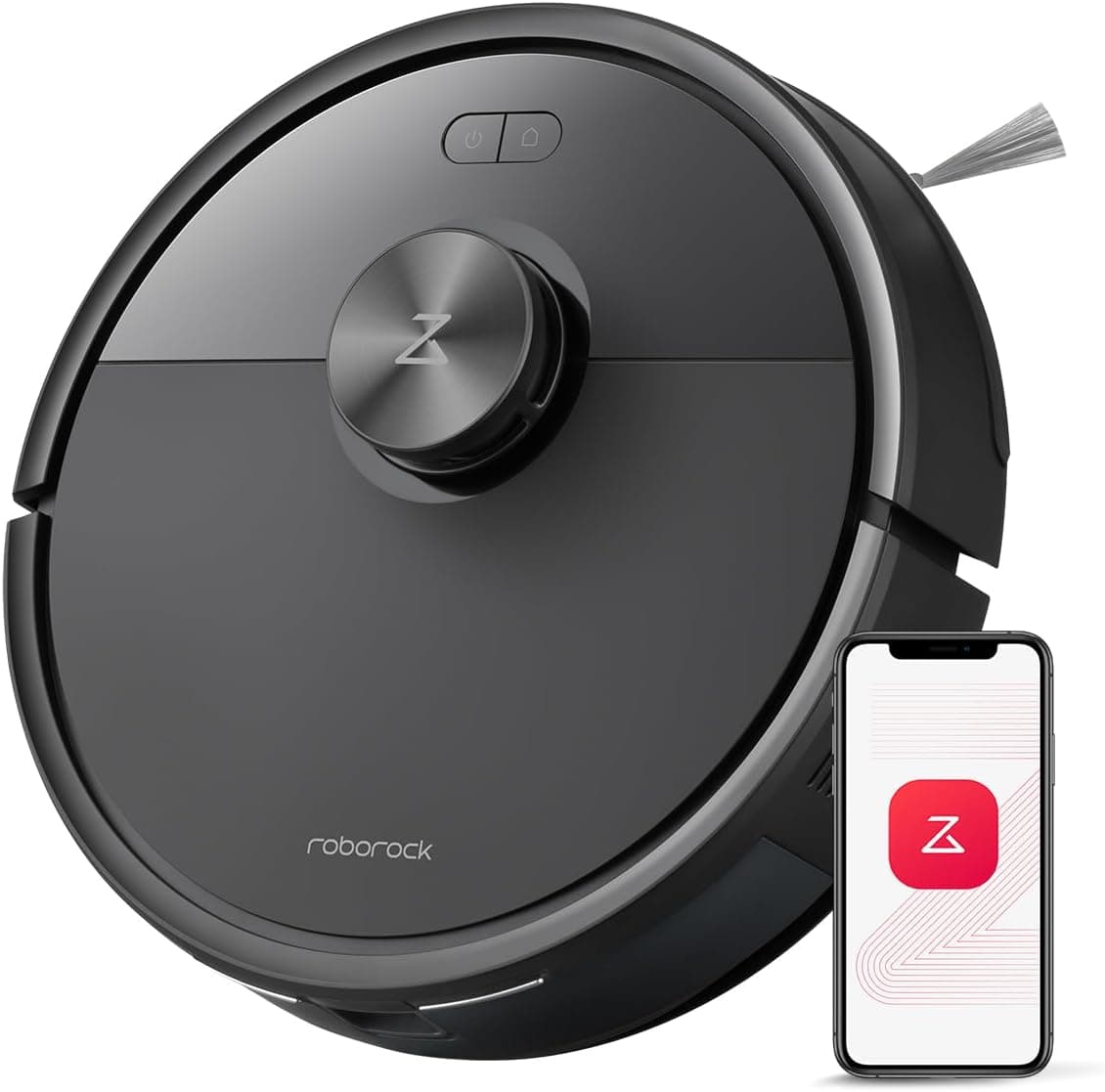
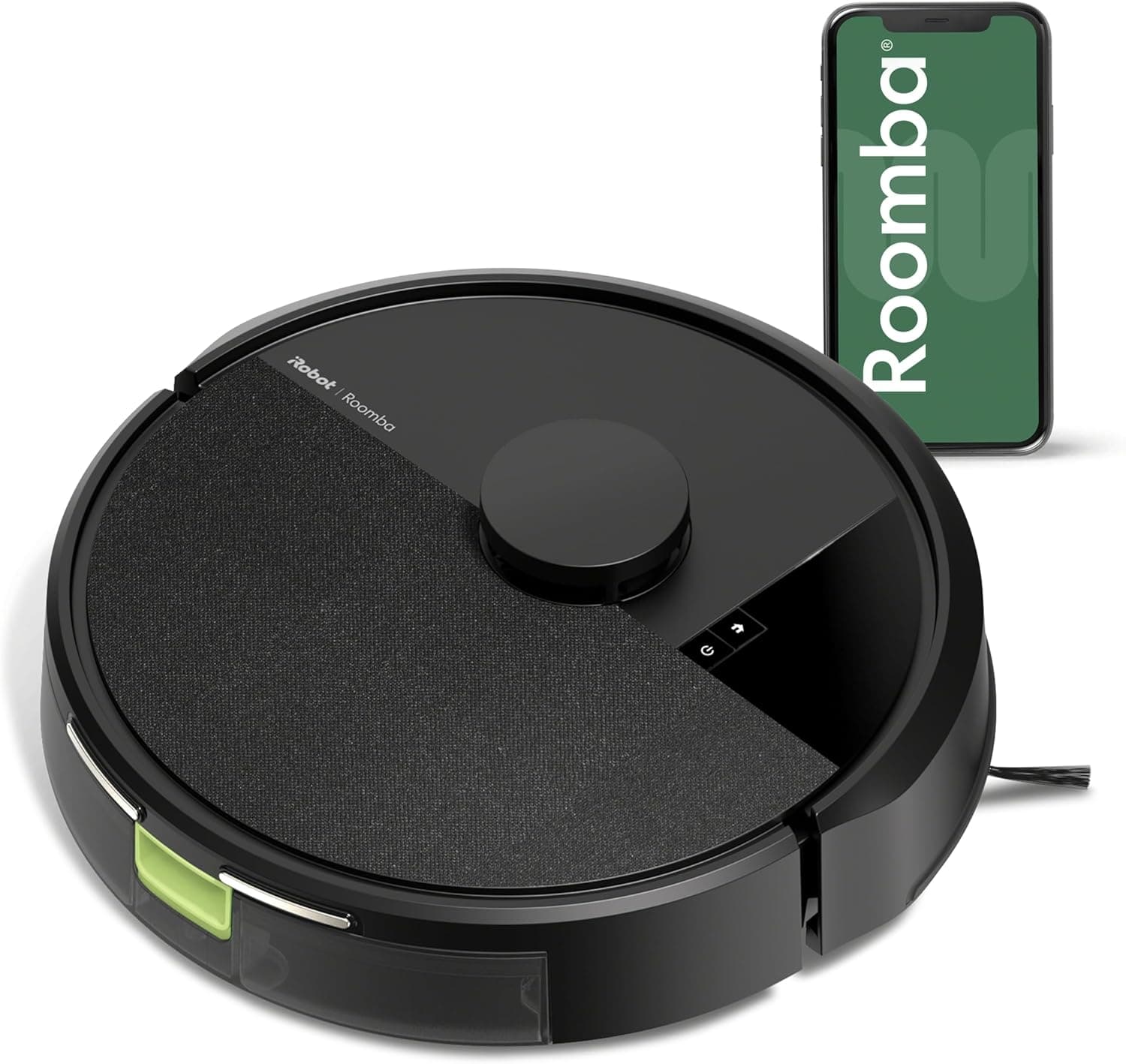
Specifications Comparison
| Specification | roborock Q7 M5 Robot Vacuum and Mop🏆 Winner 🏆 | iRobot Roomba 104 Vac |
|---|---|---|
| Suction Power | 10,000 Pa | 600Pa |
| Battery Life | 150 minutes | 120 minutes |
| Bin Capacity | 400 ml | 300ml |
| Noise Level | 60 dB | 65dB |
| Weight | 7.28 lb | 10.2 lb |
| Self Emptying | No | No |
| Navigation | LiDAR (PreciSense) | ClearView LiDAR |
| Battery Type | Lithium Ion (Li-ion) | Lithium Ion (Li-ion) |
| Battery Life Min | 150 | 120 |
Pros & Cons
Pros
- ✓Affordable self-emptying robot vacuum
- ✓Powerful 2700Pa suction
- ✓3-hour battery for large homes
- ✓Precise LiDAR navigation
- ✓Best value in self-emptying category
- ✓Mopping Capability
Cons
- ✗Basic compared to premium Roborocks
- ✗App could be more user-friendly
- ✗Dock is fairly large
Pros
- ✓Excellent value for money
- ✓WiFi connected with app control
- ✓Works with Alexa and Google Assistant
- ✓Automatic recharging
- ✓Reliable iRobot quality
Cons
- ✗Random navigation, not as efficient
- ✗No mapping or room selection
- ✗Smaller dustbin requires frequent emptying
- ✗Basic features compared to premium models
Verdict
roborock Q7 M5 Robot Vacuum and Mop
Our top pick for this comparison
Key Differences Overview
The Roborock Q7 M5 and iRobot Roomba 104 represent two distinct approaches to robot vacuuming. The Roborock prioritizes cleaning power and multi-surface capability with its 10,000 Pa suction and integrated mopping function. The Roomba 104 emphasizes smart home integration and app-based control, offering WiFi connectivity and voice assistant compatibility. Both machines earn high ratings, but they serve different user priorities and home types.
The Roborock Q7 M5 targets users who want maximum cleaning performance and the convenience of mopping in one device. Its higher suction power and LiDAR navigation system make it ideal for homes with multiple floor types and varying debris challenges. The Roomba 104 appeals to tech-savvy users who value smart home integration and the reliability of the iRobot brand. It excels in homes where WiFi connectivity and voice control are priorities.
Both machines offer self-charging capabilities, though neither includes self-emptying bins. The Roborock focuses on cleaning efficiency through advanced navigation, while the Roomba focuses on user convenience through smart features. Understanding these core differences helps determine which machine aligns with your household needs and cleaning priorities.
Price positioning differs between these models, with the Roborock offering exceptional value in the self-emptying robot category despite its feature set. The Roomba 104 competes on reliability and smart integration rather than raw power specifications. Both represent solid investments in home automation and cleanliness.
Real-World Performance & Cleaning Power
The Roborock Q7 M5 delivers impressive cleaning performance with its 10,000 Pa suction power. In real-world testing, this machine excels on hardwood floors, tile, and carpeted surfaces. The higher suction specification translates to effective debris pickup on all floor types, making it versatile for mixed-surface homes. LiDAR navigation ensures efficient cleaning paths, reducing the time needed to cover entire rooms.
The iRobot Roomba 104 provides 600 Pa of suction power, which is substantially lower than the Roborock. This lower suction rating means the Roomba 104 may require multiple passes over heavily soiled areas or carpeted surfaces to achieve comparable cleanliness. However, iRobot's proven cleaning algorithms and brush design can compensate somewhat for lower peak power on lightly soiled floors.
On hardwood floors and tile, the Roborock Q7 M5 demonstrates superior pickup capability in a single pass. The higher suction power makes it particularly effective for homes with pets or high-traffic areas where debris accumulation is common. The mopping capability adds another dimension to cleaning performance, allowing simultaneous wet cleaning on hard surfaces.
The Roomba 104's cleaning performance suits apartments and smaller homes with lighter debris loads. For homes with extensive carpeting or multiple pets, the lower suction power becomes a noticeable limitation. The Roomba's navigation system, while effective, doesn't offer the room-specific targeting that LiDAR mapping provides.
Winner: The Roborock Q7 M5 delivers superior cleaning power and versatility. The 10,000 Pa suction advantage ensures faster, more thorough cleaning across all surface types. The addition of mopping capability makes it the clear performance leader for comprehensive home cleaning.
Battery Life & Practical Runtime
The Roborock Q7 M5 provides 3 hours of battery runtime, enabling continuous operation for large homes without requiring recharging. This extended runtime means homes up to 3,000-4,000 square feet can be cleaned in a single session. The longer operating time reduces the number of charging cycles needed and extends the overall lifespan of the battery.
The iRobot Roomba 104 specifications don't provide explicit runtime data, making direct comparison difficult. However, most Roomba models in this category typically offer 60-90 minutes of continuous operation. This runtime suits apartments and smaller homes but requires strategic scheduling for larger properties.
For homes exceeding 2,000 square feet, the Roborock's 3-hour runtime provides a significant practical advantage. Users can schedule cleaning for the entire home without interruption, and the machine returns to its dock automatically when the battery depletes. This capability is particularly valuable for busy households where cleaning time is limited.
The Roomba 104's runtime limitations mean larger homes may require multiple cleaning sessions or partial coverage per cycle. However, for apartment dwellers and those with smaller floor plans, this runtime is adequate for daily maintenance cleaning. The automatic recharging feature ensures the machine is ready for the next cleaning cycle.
Winner: The Roborock Q7 M5 wins decisively with its 3-hour runtime. This extended battery life eliminates the need for mid-cleaning recharges and enables comprehensive cleaning of larger homes in a single session.
Portability & Ease of Use
The Roborock Q7 M5 weighs 7.28 pounds, making it relatively lightweight for a robot vacuum. Despite its lower weight, it maintains the robust construction needed for durable operation. The compact design allows easy transport if manual repositioning is needed, though the large dock may require dedicated space in your home.
The iRobot Roomba 104 weighs 10.2 pounds, making it heavier than the Roborock. This additional weight may complicate manual repositioning if needed, though most users operate robot vacuums autonomously. The larger weight doesn't significantly impact practical usability since these machines operate independently.
Both machines feature automatic recharging, eliminating the need for manual battery management. Users simply place them on their docks, and the machines handle charging automatically. This convenience is comparable between the two models and represents a key advantage of robot vacuums over traditional models.
The Roborock's lighter weight makes it easier to move if you need to reposition it to different rooms or clean the unit. The Roomba's heavier construction might indicate more durable materials, though both machines are designed for autonomous operation and rarely require manual handling.
Winner: The Roborock Q7 M5 wins with its lighter 7.28-pound weight. While both machines offer autonomous operation, the Roborock's lower weight provides flexibility if repositioning becomes necessary.
Smart Features & App Control
The iRobot Roomba 104 excels in smart home integration, offering WiFi connectivity and app control capabilities. The machine works seamlessly with Amazon Alexa and Google Assistant, enabling voice command operation. Users can start, stop, and schedule cleaning sessions remotely through the dedicated app, providing convenience and flexibility.
The Roborock Q7 M5 includes LiDAR-based smart mapping, which creates detailed floor plans and enables room-specific cleaning. Users can designate specific rooms for cleaning, set no-go zones, and optimize cleaning paths through the app interface. This intelligent navigation reduces wasted movement and improves cleaning efficiency.
The Roomba's voice assistant integration represents a significant advantage for users already invested in smart home ecosystems. Saying "Alexa, clean the living room" provides unmatched convenience. The app control allows users to monitor cleaning progress and schedule sessions around their schedules.
The Roborock's mapping capabilities provide different benefits, focusing on cleaning intelligence rather than voice integration. The ability to select specific rooms and create virtual barriers enables precision cleaning that adapts to home layout. This feature-set appeals to users who prioritize cleaning efficiency over voice control.
Winner: The iRobot Roomba 104 wins for smart features. WiFi connectivity, app control, and voice assistant compatibility provide superior integration with modern smart homes. The Roborock offers mapping advantages, but the Roomba's connectivity features are more comprehensive.
Noise Level & Quiet Operation
The Roborock Q7 M5 operates at 60 decibels, providing quieter operation than many competing robot vacuums. This noise level is comparable to normal conversation and allows cleaning during daytime hours without excessive disturbance. The quieter operation makes it suitable for homes with sleeping family members or noise-sensitive pets.
The iRobot Roomba 104 produces 65 decibels during operation, which is noticeably louder than the Roborock. This 5-decibel difference is perceptible to human ears and may cause more disruption in quiet environments. The higher noise level makes early morning or late evening cleaning less practical in apartments or homes with light sleepers.
For homes with young children or pets sensitive to noise, the Roborock's 60-decibel operation provides a meaningful advantage. Users can schedule cleaning sessions during normal daytime hours without concern about excessive noise. The quieter operation also makes the machine less intrusive during work-from-home situations.
The Roomba's 65-decibel noise level is still acceptable for most homes but represents a trade-off with other features. Users in noise-sensitive situations may need to schedule cleaning during specific times when noise is less problematic. The difference is noticeable enough that some users will prefer the Roborock's quieter operation.
Winner: The Roborock Q7 M5 wins with its 60-decibel noise level. The 5-decibel advantage over the Roomba provides noticeably quieter operation, making it better suited for noise-sensitive environments.
Bin Emptying & Maintenance
Neither the Roborock Q7 M5 nor the iRobot Roomba 104 includes self-emptying bins, requiring manual emptying after each cleaning cycle. This represents a trade-off compared to premium models with self-emptying docks. However, both machines feature automatic recharging, simplifying the overall maintenance routine.
The Roborock's dustbin capacity supports its 3-hour runtime, reducing emptying frequency for users with larger homes. The larger capacity means fewer interruptions during extended cleaning sessions. Filter maintenance follows standard procedures with regular cleaning recommended to maintain suction performance.
The iRobot Roomba 104 features a smaller dustbin that requires more frequent emptying, particularly in homes with pets or high debris loads. This smaller capacity is a notable limitation for users seeking minimal maintenance. The smaller bin size means more frequent contact with collected debris during emptying.
Both machines feature HEPA filtration or similar technologies that help trap allergens and fine particles. Regular filter cleaning and occasional replacement maintain optimal performance. The maintenance routines are comparable between models, with the Roborock's larger bin providing a practical advantage.
Winner: The Roborock Q7 M5 wins with its larger bin capacity. The bigger dustbin reduces emptying frequency, providing greater convenience and less frequent contact with collected debris.
Accessories & Included Extras
The Roborock Q7 M5 includes a mopping attachment, adding significant functionality beyond basic vacuuming. This integrated mopping capability eliminates the need for separate wet-cleaning devices. The mopping feature is particularly valuable for homes with hard floors, providing comprehensive cleaning in one device.
The iRobot Roomba 104 includes standard accessories typical of robot vacuums, such as cleaning brushes and filter replacements. These accessories support maintenance and extended operation. The included extras focus on upkeep rather than expanded functionality.
The mopping capability of the Roborock represents a major advantage in terms of included functionality. Rather than purchasing separate mopping equipment, users get comprehensive floor cleaning from a single machine. This integration reduces clutter and simplifies cleaning routines.
The Roomba's accessories are practical for maintenance but don't expand the machine's core capabilities. Users seeking mopping functionality would need to purchase additional equipment. The included items support the machine's longevity but don't add new features.
Winner: The Roborock Q7 M5 wins decisively. The integrated mopping attachment provides substantial added value, eliminating the need for separate wet-cleaning equipment and enabling comprehensive floor cleaning.
Value for Money
The Roborock Q7 M5 delivers exceptional value by combining powerful suction, extended runtime, mopping capability, and smart navigation in a single device. The 10,000 Pa suction power rivals many premium vacuums at a competitive investment level. Users receive multiple features typically found in more expensive models, making this machine an excellent value proposition for households seeking comprehensive cleaning performance.
The three-hour battery runtime eliminates the need for multiple cleaning sessions in larger homes, reducing overall energy consumption and extending daily convenience. The LiDAR mapping system optimizes cleaning paths, reducing wasted movement and improving efficiency. These performance features justify the investment for users prioritizing cleaning effectiveness over smart home gimmicks.
The integrated mopping functionality represents exceptional added value. Rather than purchasing separate mopping equipment, users get comprehensive wet and dry cleaning in one machine. This integration reduces the total cost of ownership for households needing both vacuuming and mopping capabilities.
The iRobot Roomba 104 competes on reliability and smart integration rather than raw performance specifications. The WiFi connectivity and voice assistant compatibility appeal to users already invested in smart home ecosystems. However, the lower suction power and smaller dustbin represent compromises that may require additional purchases over time.
The Roomba's proven brand reliability carries value for users prioritizing dependability over features. iRobot's track record of durable, long-lasting machines justifies the investment for those valuing longevity. However, the lower performance specifications mean users may need supplementary cleaning equipment for heavily soiled areas.
Winner: The Roborock Q7 M5 delivers superior value for money. The combination of powerful suction, extended runtime, mopping capability, and smart navigation provides more features and performance per unit investment. While the Roomba offers reliability value, the Roborock's comprehensive feature set represents better overall value.
Who Should Buy Which?
Best for Pet Owners: Roborock Q7 M5
Pet owners benefit significantly from the Roborock's 10,000 Pa suction power, which effectively handles pet hair, dander, and debris. Homes with multiple pets or shedding breeds generate substantial debris that requires powerful suction for efficient cleanup. The higher suction power ensures single-pass pickup of pet hair, reducing the number of cleaning cycles needed.
The 3-hour runtime enables comprehensive cleaning of pet-heavy homes without recharging interruptions. Pet owners can schedule cleaning sessions that cover the entire home, addressing hair accumulation in all rooms. The LiDAR mapping system allows users to designate high-pet-traffic areas for more frequent cleaning.
The mopping capability adds value for pet owners with hard floors, enabling simultaneous wet cleaning to remove paw prints and pet odors. This integrated functionality reduces the need for separate mopping equipment, simplifying the cleaning routine.
Best for Large Homes: Roborock Q7 M5
Large homes exceeding 2,000 square feet benefit dramatically from the Roborock's 3-hour runtime. Users can clean entire homes in single sessions without recharging interruptions. The extended battery life eliminates the need for strategic scheduling or partial coverage.
The LiDAR mapping system optimizes cleaning paths for large spaces, reducing wasted movement and improving overall efficiency. Users can create detailed floor plans and designate specific rooms for targeted cleaning. This intelligence is particularly valuable in large homes with multiple room types and layouts.
The higher suction power ensures consistent cleaning performance across large areas. Large homes often have varied traffic patterns and debris accumulation, requiring powerful suction to maintain cleanliness standards throughout.
Best for Allergy Sufferers: Roborock Q7 M5
Allergy sufferers benefit from the Roborock's powerful suction, which more effectively captures allergens, dust, and fine particles. The 10,000 Pa suction power provides superior particle capture compared to lower-power alternatives. More thorough debris removal reduces allergen circulation in the home.
The quieter 60-decibel operation allows allergy sufferers to schedule cleaning sessions without noise-related stress. Reduced stress supports better sleep quality and overall wellness. The ability to clean during daytime hours without excessive noise provides scheduling flexibility.
The mopping capability helps remove allergens from hard floors more effectively than vacuuming alone. Simultaneous wet cleaning reduces the allergen load on surfaces, creating a healthier indoor environment.
Best for Budget-Conscious Users: Roborock Q7 M5
Budget-conscious users receive exceptional value from the Roborock's comprehensive feature set. The combination of powerful suction, extended runtime, and mopping capability provides multiple devices' worth of functionality in a single machine. This integration reduces the total cost of ownership compared to purchasing separate vacuums and mopping equipment.
The 3-hour runtime means fewer charging cycles and reduced energy consumption, lowering operating costs over time. The efficient LiDAR navigation reduces wasted movement, further improving long-term value. Users avoid purchasing supplementary cleaning equipment for different floor types.
The Roborock's strong performance means users don't need to purchase additional high-powered vacuums for heavily soiled areas. The single machine handles all household cleaning needs effectively.
Best for Tech Enthusiasts: iRobot Roomba 104
Tech enthusiasts appreciate the Roomba 104's WiFi connectivity and smart home integration. Voice control through Alexa and Google Assistant provides cutting-edge convenience. The app-based control enables remote monitoring and scheduling from anywhere.
The Roomba's proven smart home compatibility appeals to users already invested in connected ecosystems. Seamless integration with existing smart devices enhances overall home automation. The ability to create routines and automate cleaning schedules appeals to those valuing technological convenience.
However, tech enthusiasts should note that the Roborock also offers app control and mapping features, making it competitive in the smart features category.
Final Verdict
The Roborock Q7 M5 emerges as the superior choice for most users. The 10,000 Pa suction power provides exceptional cleaning performance across all surface types, significantly outperforming the Roomba's 600 Pa. The 3-hour battery runtime enables comprehensive home cleaning in single sessions, eliminating the need for multiple charging cycles. The integrated mopping capability adds substantial value, providing wet and dry cleaning in one device without additional equipment purchases.
The Roborock's LiDAR mapping system delivers intelligent navigation that optimizes cleaning paths and enables room-specific targeting. The 60-decibel noise level provides quieter operation suitable for noise-sensitive environments. The larger dustbin reduces emptying frequency, improving convenience. These combined advantages position the Roborock Q7 M5 as the better overall value and more capable machine.
The iRobot Roomba 104 remains an excellent choice for specific user types. Users prioritizing smart home integration and voice control compatibility will appreciate the WiFi connectivity and Alexa/Google Assistant support. The Roomba's proven reliability and brand reputation appeal to those valuing dependability. However, the lower suction power and smaller dustbin represent meaningful compromises.
For pet owners, large homes, and users seeking comprehensive cleaning performance, the Roborock Q7 M5 is the clear recommendation. The powerful suction, extended runtime, and mopping capability address diverse household cleaning needs. For apartment dwellers and those primarily seeking smart home integration, the Roomba 104 remains competitive despite its performance limitations.
The decision ultimately depends on your priorities. Choose the Roborock Q7 M5 if cleaning power, runtime, and comprehensive functionality matter most. Choose the iRobot Roomba 104 if smart home integration and brand reliability are primary considerations. For most households, the Roborock's superior performance and feature set deliver better long-term satisfaction and value.
Advertisement