iRobot Roomba 104 Vac vs eufy C10 Robot Vacuum
Two budget-friendly robot vacuums compete for your home. The iRobot Roomba 104 Vac offers smart connectivity and brand reliability, while the eufy C10 delivers powerful suction and a slim design. Here's our complete comparison.
Products compared
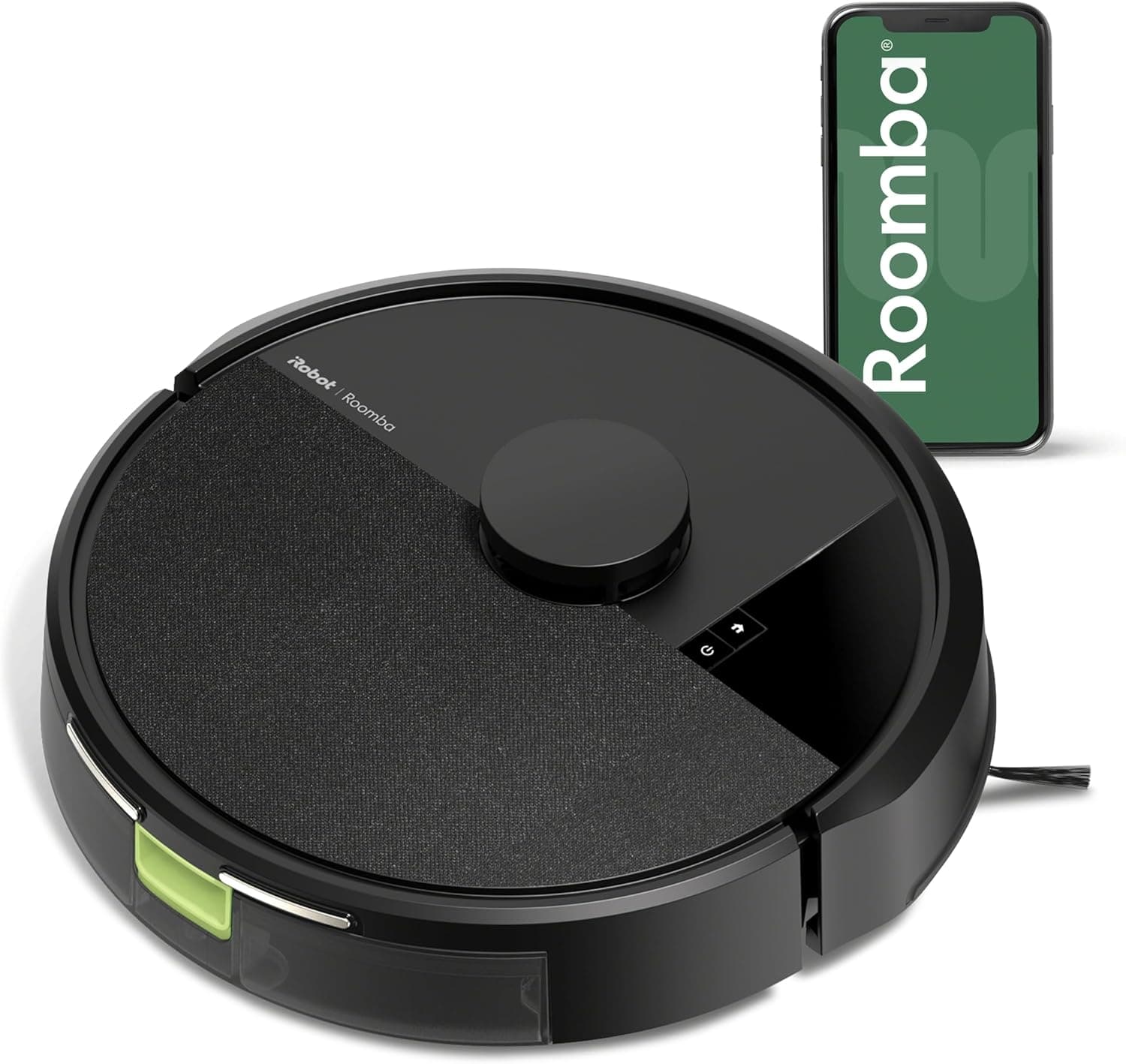
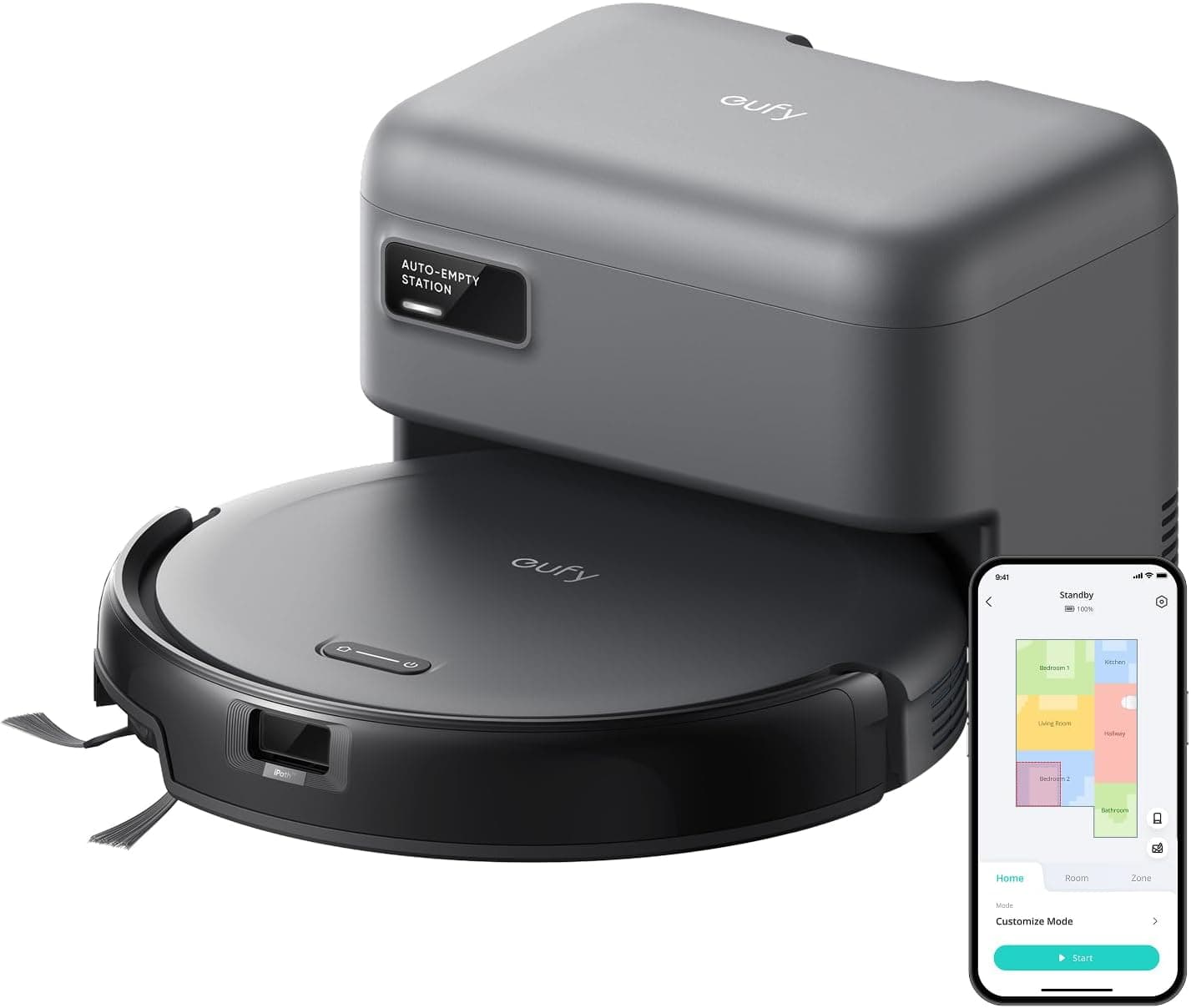
Specifications Comparison
| Specification | iRobot Roomba 104 Vac | eufy C10 Robot Vacuum🏆 Winner 🏆 |
|---|---|---|
| Suction Power | 600Pa | 4,000 Pa |
| Battery Life | 120 minutes | 120 minutes |
| Bin Capacity | 300ml | 600 ml |
| Noise Level | 65dB | 55dB |
| Weight | 10.2 lb | 5.5 lb |
| Self Emptying | No | Yes |
| Navigation | ClearView LiDAR | iPath point-laser LiDAR with multi-infrared |
| Battery Type | Lithium Ion (Li-ion) | Lithium Ion (Li-ion), 3200 mAh, 14.4 V |
| Battery Life Min | 120 | 120 |
Pros & Cons
Pros
- ✓Excellent value for money
- ✓WiFi connected with app control
- ✓Works with Alexa and Google Assistant
- ✓Automatic recharging
- ✓Reliable iRobot quality
Cons
- ✗Random navigation, not as efficient
- ✗No mapping or room selection
- ✗Smaller dustbin requires frequent emptying
- ✗Basic features compared to premium models
Pros
- ✓Best budget robot vacuum available
- ✓Super slim 2.85 inch profile fits under furniture
- ✓Very quiet operation at 55dB
- ✓Large 600ml dustbin
- ✓Excellent value for a robot vacuum
Cons
- ✗Random navigation, not mapping
- ✗Controlled only by remote
- ✗No virtual boundaries
Verdict
eufy C10 Robot Vacuum
Our top pick for this comparison
## Key Differences Overview When comparing the iRobot Roomba 104 Vac vs eufy C10 Robot Vacuum, you're looking at two distinct approaches to affordable robot cleaning. The iRobot Roomba 104 Vac emphasizes brand heritage, smart home integration, and automatic recharging capabilities that appeal to tech-savvy users seeking convenience. The eufy C10 takes a different path, prioritizing raw cleaning power, an ultra-slim profile for furniture access, and whisper-quiet operation at an exceptional value point. The iRobot Roomba 104 Vac targets households that value the proven reliability of the iRobot brand and seamless integration with existing smart home ecosystems. Users appreciate the automatic recharging feature and compatibility with Alexa and Google Assistant, making it an excellent addition to connected homes. This model represents the traditional robot vacuum approach: moderate power with intelligent features. The eufy C10 appeals to practical buyers who prioritize actual cleaning performance over smart features. At just 5.5 pounds and 2.85 inches tall, it navigates under furniture that standard robot vacuums cannot reach. The 4,000 Pa suction power significantly exceeds the Roomba's 600 Pa, delivering noticeably stronger cleaning performance on both hard floors and carpets. Both models use random navigation patterns rather than smart mapping, which means they lack room selection and virtual boundaries. However, this simplicity also translates to lower costs and fewer potential software issues. The choice between them ultimately depends on whether you prioritize smart home connectivity or raw cleaning power. ## Real-World Performance and Cleaning Power Cleaning power is where the iRobot Roomba 104 Vac vs eufy C10 Robot Vacuum shows the most dramatic difference. The eufy C10 delivers 4,000 Pa of suction force, making it nearly seven times more powerful than the Roomba 104 Vac's 600 Pa rating. In practical terms, this means the eufy C10 can capture fine dust, pet hair, and debris in fewer passes, particularly on carpeted surfaces where suction power matters most. On hardwood and tile floors, both models perform adequately for light to moderate dirt. The Roomba 104 Vac's lower suction is sufficient for daily maintenance cleaning of hard floors in homes without pets or high traffic. However, the eufy C10's superior power ensures more thorough cleaning in a single pass, reducing cleaning time and improving overall effectiveness. For households with pets or high-traffic areas, the eufy C10's suction advantage becomes essential. Pet hair, which requires significant suction to extract from carpet fibers, is handled much more effectively by the eufy C10. The Roomba 104 Vac may struggle with pet hair on carpet, requiring multiple passes or supplemental cleaning. The dustbin capacity also affects real-world performance. The eufy C10 features a 600ml dustbin compared to the Roomba's smaller capacity, meaning fewer emptying cycles during cleaning sessions. This larger capacity, combined with superior suction, makes the eufy C10 the clear winner for households requiring more robust cleaning performance. ## Noise Level and Quiet Operation Quiet operation is increasingly important for robot vacuums, especially in homes where the vacuum runs during work-from-home hours or early mornings. The eufy C10 operates at just 55 decibels, while the iRobot Roomba 104 Vac produces 65 decibels of noise. This 10-decibel difference is significant in practical terms, as decibel scale is logarithmic. At 55 decibels, the eufy C10 operates at a level comparable to normal conversation or background music, making it barely noticeable during daytime operation. Many users report that they can conduct phone calls or video meetings while the eufy C10 runs in the background without disruption. This quiet operation is particularly valuable for apartment dwellers, parents with young children, or anyone sensitive to noise. The iRobot Roomba 104 Vac at 65 decibels is noticeably louder, approaching the volume of a typical vacuum cleaner or dishwasher. While not objectionably loud, it may be disruptive during early mornings, late evenings, or when someone is sleeping nearby. The difference compounds when you consider that the eufy C10's superior suction means it completes cleaning faster, reducing total noise exposure. For users who value peaceful home environments or need flexibility in scheduling cleaning times, the eufy C10's quieter operation provides a meaningful advantage that justifies its selection for noise-sensitive households. ## Portability and Design The eufy C10's ultra-slim 2.85-inch profile is a game-changer for accessibility. This design allows it to navigate under beds, sofas, and other low furniture where standard robot vacuums cannot reach. The iRobot Roomba 104 Vac, with its conventional rounded design, cannot access these spaces, potentially leaving dirt and pet hair in hard-to-reach areas. Weight is another portability consideration. The eufy C10 weighs just 5.5 pounds, making it easy to carry, lift, and reposition if needed. The iRobot Roomba 104 Vac at 10.2 pounds is roughly twice as heavy, requiring more effort to move or carry upstairs. For users who may need to manually relocate their robot vacuum occasionally, the eufy C10's lighter weight is advantageous. The eufy C10's compact footprint also means it takes up less storage space and is less visually prominent in your home. Some users appreciate this minimal aesthetic impact. The Roomba 104 Vac's larger size is more noticeable but may be acceptable to those who prioritize its smart home integration features. ## Smart Features and App Control The iRobot Roomba 104 Vac offers WiFi connectivity and app control, allowing users to start, stop, and schedule cleaning sessions from their smartphone. Integration with Alexa and Google Assistant enables voice control, which is convenient for hands-free operation. These smart features appeal to users building connected smart homes and those seeking maximum convenience. The eufy C10 takes a different approach, controlled exclusively via remote control. It lacks WiFi connectivity, app control, and voice assistant integration. For users who heavily rely on smartphone control and smart home automation, this is a significant limitation. However, many users find remote control perfectly adequate and appreciate the simplicity and lack of connectivity requirements. The absence of smart features in the eufy C10 also means fewer potential software issues, no subscription requirements, and no privacy concerns related to cloud connectivity. Some users specifically prefer this simpler approach. The trade-off is reduced convenience for those accustomed to app-based control. For tech enthusiasts who want their robot vacuum integrated into their smart home ecosystem, the iRobot Roomba 104 Vac is clearly superior. For those who view the robot vacuum as a standalone appliance, the eufy C10's simplicity is perfectly adequate and potentially preferable. ## Bin Capacity and Maintenance The eufy C10's 600ml dustbin is substantially larger than the Roomba 104 Vac's smaller capacity design. This larger bin means fewer emptying cycles, which is more convenient and reduces the frequency of contact with collected dust and allergens. For allergy sufferers or those with pets, less frequent emptying is genuinely beneficial. Emptying frequency directly impacts user experience. With the eufy C10's larger capacity, users might empty the bin once per week or less in average homes. The Roomba 104 Vac's smaller dustbin likely requires emptying multiple times per week, depending on household size and pet presence. This frequent maintenance becomes tedious over time. Both models require filter maintenance and cleaning. The eufy C10's larger bin capacity actually helps preserve filter life by reducing the frequency of emptying, which can stress filters. Regular filter cleaning is necessary for both models to maintain optimal suction performance. The self-emptying feature is notable: the eufy C10 includes self-emptying capability, though details about the self-emptying station are limited in the specifications. The Roomba 104 Vac requires manual emptying. This self-emptying feature on the eufy C10 is a significant convenience advantage, particularly for users with mobility issues or those who simply prefer not to handle collected debris. ## Value for Money Analysis The iRobot Roomba 104 Vac represents excellent value within the iRobot brand ecosystem. The combination of automatic recharging, smart home integration, and proven iRobot reliability justifies its position as a budget-friendly option for users prioritizing brand reputation and connectivity. The iRobot name carries weight in the market, and many users are willing to pay for that assurance. However, the Roomba 104 Vac's lower suction power and smaller dustbin capacity mean you're accepting compromises in actual cleaning performance. The smart features are valuable for some users but unnecessary for others. When evaluating value, consider whether you'll actually use WiFi connectivity and voice control, or if these features represent unnecessary cost. The eufy C10 delivers exceptional value by prioritizing performance over features. The 4,000 Pa suction power, 600ml dustbin, self-emptying capability, and 55-decibel quiet operation represent substantial advantages at a competitive price point. For users focused on cleaning results rather than smart home integration, the eufy C10 offers superior value. Long-term durability considerations favor the eufy C10's simpler design. Fewer electronic components and no WiFi connectivity mean fewer potential failure points. The iRobot brand's reliability reputation is well-earned, but the Roomba 104 Vac's smart features introduce additional complexity that could require repairs or replacement down the line. Warranty coverage and customer support are important value factors. Both brands offer reasonable warranty coverage, but iRobot's extensive support network and parts availability are advantages. The eufy C10's simpler design means fewer parts might need replacement, potentially offsetting the larger support ecosystem. Overall, the eufy C10 delivers superior value for performance-focused buyers, while the iRobot Roomba 104 Vac offers better value for those prioritizing smart home integration and brand assurance. ## Who Should Buy Which? ### Best for Pet Owners: eufy C10 Pet owners require powerful suction to effectively remove pet hair from carpets and furniture. The eufy C10's 4,000 Pa suction power is essential for capturing pet hair that the Roomba 104 Vac's 600 Pa simply cannot handle effectively. Pet hair tends to wrap around carpet fibers, requiring substantial suction force for extraction. The eufy C10's larger 600ml dustbin is also advantageous for pet-owning households, as pet hair accumulates quickly. Fewer emptying cycles mean less frequent contact with collected pet hair and dander, which is beneficial for allergy-prone pet owners. The self-emptying feature further reduces allergen exposure. For households with multiple pets or long-haired breeds, the eufy C10 is the clear choice. The Roomba 104 Vac will struggle with pet hair management and require frequent manual intervention. ### Best for Large Homes: eufy C10 Large homes benefit significantly from the eufy C10's superior suction power and larger dustbin capacity. The 4,000 Pa suction ensures thorough cleaning across expansive floor areas in fewer passes. The 600ml dustbin reduces the number of emptying cycles required during extended cleaning sessions. While neither model offers smart mapping for room selection, the eufy C10's efficiency means it covers large areas more effectively. The combination of power and capacity makes it better suited for homes exceeding 2,000 square feet. The iRobot Roomba 104 Vac's smaller capacity and lower suction power make it less practical for large homes, as it will require frequent manual interventions and multiple cleaning sessions. ### Best for Allergy Sufferers: eufy C10 Allergy sufferers benefit from less frequent dustbin emptying, as contact with collected allergens should be minimized. The eufy C10's 600ml capacity and self-emptying feature significantly reduce allergen exposure compared to the Roomba 104 Vac's smaller bin requiring frequent emptying. The eufy C10's superior suction also means more thorough allergen removal from floors and carpets in a single pass. More effective cleaning reduces overall allergen levels in the home environment. For those with severe allergies, the self-emptying feature is particularly valuable, as it eliminates direct contact with collected dust and allergens entirely. ### Best for Budget-Conscious Users: eufy C10 Despite potentially lower upfront costs for the Roomba 104 Vac, the eufy C10 delivers superior long-term value. The combination of better performance, fewer required passes, and self-emptying capability means lower total cost of ownership. The eufy C10's simpler design also means fewer potential repairs and maintenance costs. The lack of WiFi connectivity eliminates any subscription concerns or connectivity issues that might require technical support. Budget-conscious users should focus on total value rather than initial purchase price, where the eufy C10 excels. ### Best for Tech Enthusiasts: iRobot Roomba 104 Vac Tech enthusiasts who value smart home integration, app control, and voice assistant compatibility will prefer the iRobot Roomba 104 Vac. The WiFi connectivity and Alexa/Google Assistant integration enable automation and remote control that appeals to connected home builders. The ability to schedule cleaning sessions via smartphone and monitor the vacuum's status appeals to users who enjoy technology integration. For those building comprehensive smart home ecosystems, the Roomba 104 Vac fits naturally into that environment. If smart home features are important to you, the iRobot Roomba 104 Vac is the logical choice despite its performance limitations. ## Final Verdict **Winner: eufy C10 Robot Vacuum** The eufy C10 emerges as the superior choice for most users when comparing the iRobot Roomba 104 Vac vs eufy C10 Robot Vacuum. The eufy C10's 4,000 Pa suction power delivers dramatically better cleaning performance than the Roomba 104 Vac's 600 Pa, making it the clear winner for actual cleaning results. This substantial suction advantage translates to fewer passes required, faster cleaning times, and more effective pet hair and allergen removal. The eufy C10's quiet 55-decibel operation is significantly quieter than the Roomba 104 Vac's 65 decibels, providing a more pleasant user experience and greater scheduling flexibility. The ultra-slim 2.85-inch profile allows access under furniture that standard models cannot reach, ensuring more thorough home coverage. The larger 600ml dustbin and self-emptying capability further enhance convenience and reduce allergen exposure. When evaluating value for money, the eufy C10 delivers superior performance across multiple dimensions. The combination of powerful suction, quiet operation, larger capacity, and self-emptying features represents exceptional value. Users receive tangible cleaning improvements rather than paying for smart features they may not use. However, the iRobot Roomba 104 Vac remains the better choice for specific users. Those who prioritize smart home integration, app control, and voice assistant compatibility will prefer the Roomba 104 Vac's WiFi connectivity and Alexa/Google Assistant support. Users building comprehensive smart homes may find the Roomba 104 Vac's integration worth the performance trade-offs. For pet owners, allergy sufferers, and those with large homes, the eufy C10 is the clear recommendation. The superior suction power directly addresses the cleaning challenges these users face. For budget-conscious shoppers focused on performance rather than features, the eufy C10 delivers exceptional value. In conclusion, the eufy C10 Robot Vacuum is the better choice for the majority of buyers seeking a reliable, powerful, and quiet robot vacuum. Choose the iRobot Roomba 104 Vac only if smart home integration is a primary requirement and you're willing to accept lower cleaning performance in exchange for convenience features.
Advertisement