iRobot Roomba 104 vs Eureka NERE10SW Advanced Robot Vacuum
Two affordable robot vacuums compete for household dominance in 2026. The iRobot Roomba 104 brings trusted brand reliability with app control, while the Eureka NERE10SW Advanced offers significantly higher suction power and smart mapping. Here's our expert breakdown.
Products compared
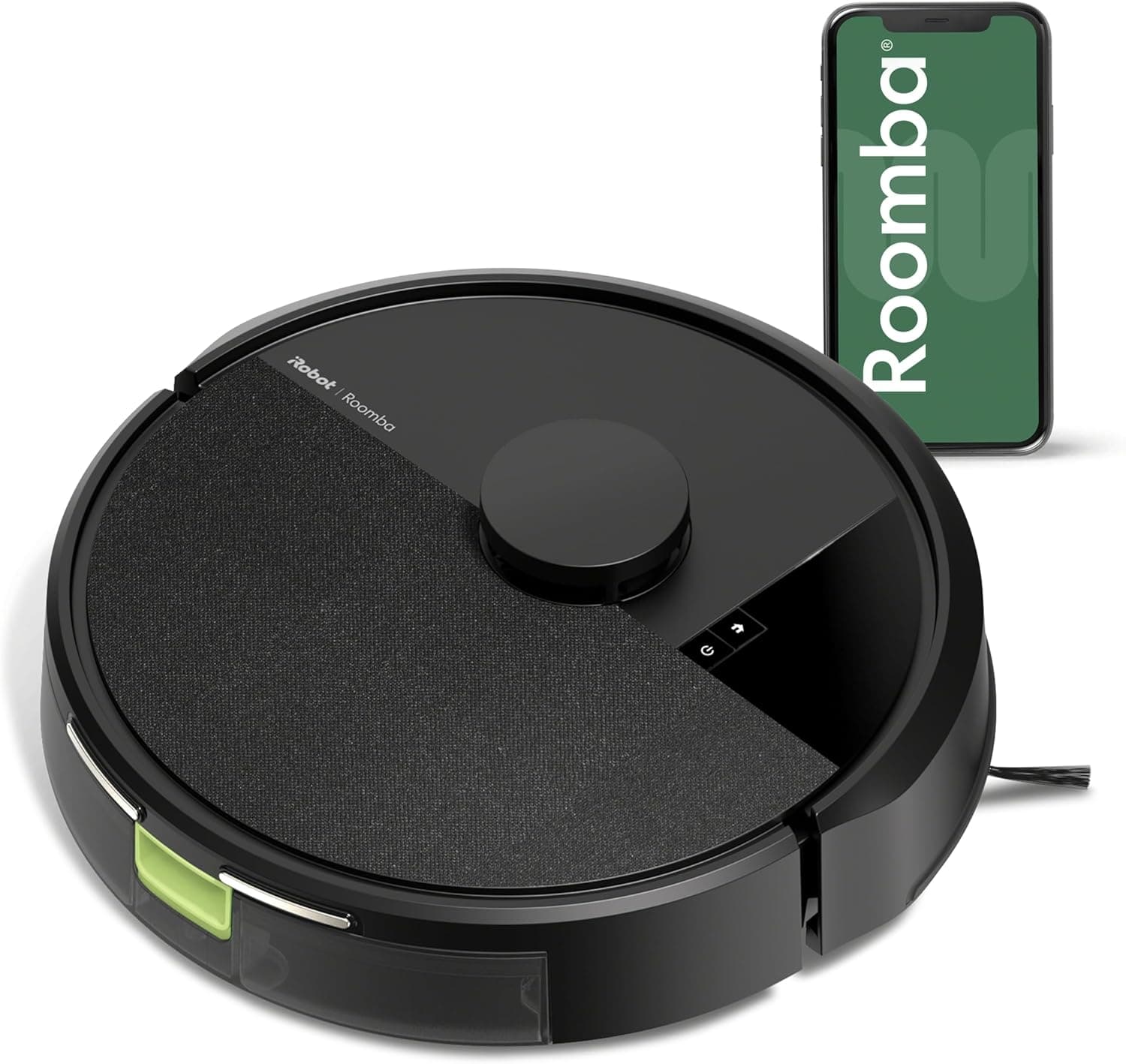
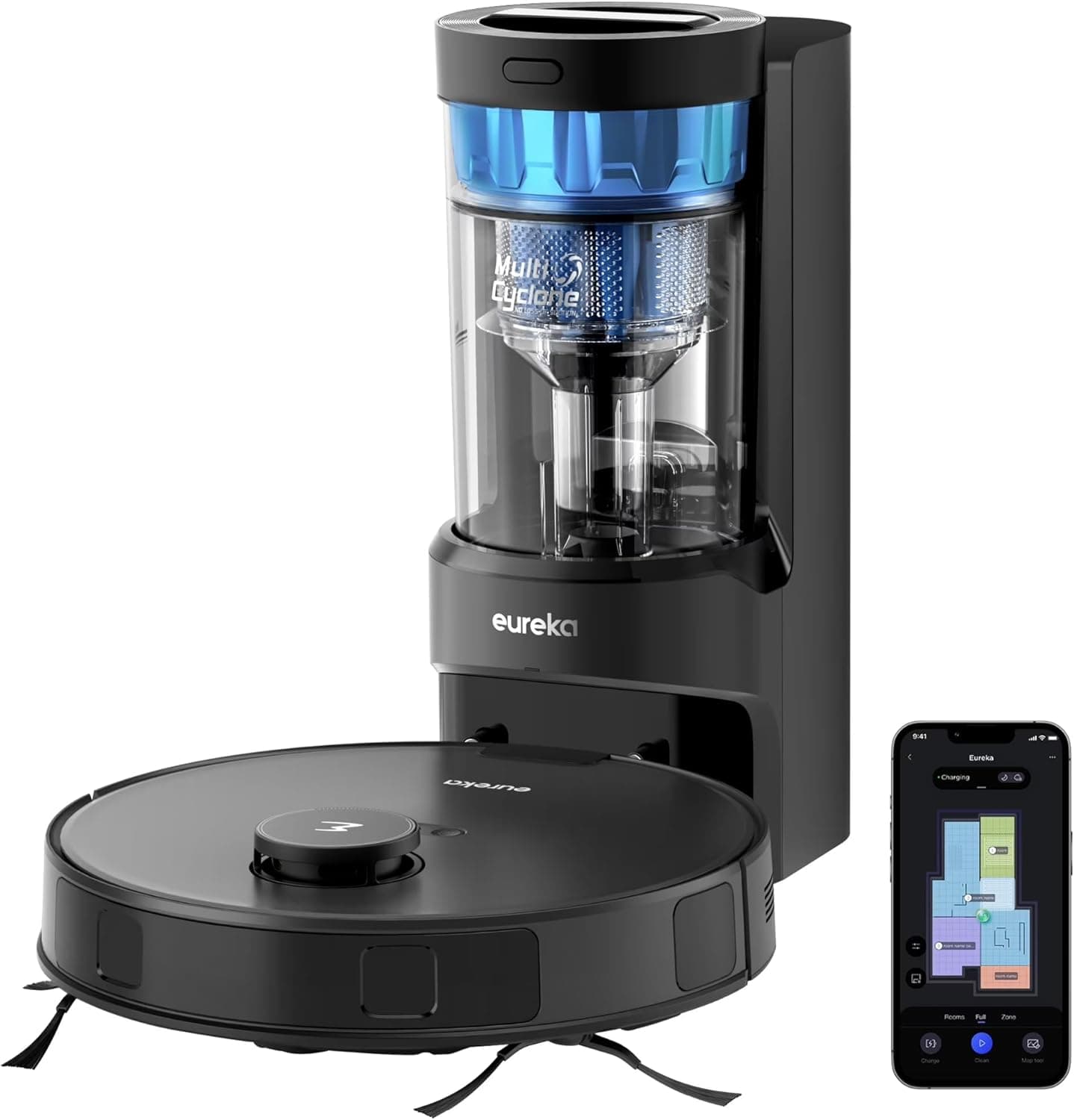
Specifications Comparison
| Specification | iRobot Roomba 104 Vac | Eureka NERE10SW Advanced Robot Vacuum🏆 Winner 🏆 |
|---|---|---|
| Suction Power | 600Pa | 8,000 Pa |
| Battery Life | 120 minutes | 180 minutes |
| Bin Capacity | 300ml | 1.2 L |
| Noise Level | 65dB | 65 dB |
| Weight | 10.2 lb | — |
| Self Emptying | No | No |
| Navigation | ClearView LiDAR | LiDAR (5th-Gen LDS) with SLAM |
| Battery Type | Lithium Ion (Li-ion) | Lithium Ion (Li-ion), 5200 mAh |
| Battery Life Min | 120 | 180 |
| Charging Time Min | — | 180 |
| Mopping | — | No |
| Scheduling | — | Yes |
| App Control | — | Yes |
| Hepa Filter | — | Yes |
| Voice Control | — | Alexa |
| Wifi Connected | — | Yes |
| Anti Tangle Brush | — | No |
Pros & Cons
Pros
- ✓Excellent value for money
- ✓WiFi connected with app control
- ✓Works with Alexa and Google Assistant
- ✓Automatic recharging
- ✓Reliable iRobot quality
Cons
- ✗Random navigation, not as efficient
- ✗No mapping or room selection
- ✗Smaller dustbin requires frequent emptying
- ✗Basic features compared to premium models
Pros
- ✓Affordable entry point to robot vacuums
- ✓Smart mapping capability
- ✓WiFi control via app
- ✓Works with Alexa
- ✓Good edge cleaning
- ✓Quiet operation
- ✓2-year warranty
- ✓Daily cleaning performance
- ✓Reasonable battery life
Cons
- ✗Smaller dust capacity
- ✗Basic mopping only if included
- ✗No advanced obstacle avoidance
- ✗Occasional mapping issues
- ✗Basic app interface
- ✗Not self-emptying
- ✗Less premium feel than major brands
Verdict
Eureka NERE10SW Advanced Robot Vacuum
Our top pick for this comparison
Key Differences Overview
The iRobot Roomba 104 versus Eureka NERE10SW Advanced represents a choice between brand heritage and raw performance specifications. The Roomba 104 is positioned as an entry-level smart vacuum with proven iRobot reliability, automatic recharging, and voice assistant integration. The Eureka NERE10SW Advanced takes a different approach, emphasizing superior suction power, smart mapping capability, and edge cleaning performance at a competitive price point.
Both vacuums operate in the affordable robot vacuum segment, making them accessible to households seeking hands-free cleaning without premium pricing. The iRobot Roomba 104 attracts users who value the iRobot brand reputation and prefer simplicity with smart home integration. The Eureka NERE10SW Advanced appeals to buyers who prioritize cleaning performance metrics and advanced features like room mapping over brand prestige.
These two robots serve fundamentally different customer philosophies. iRobot customers often accept random navigation patterns in exchange for reliability and ease of use. Eureka customers seek more intelligent cleaning paths and stronger suction to handle varied floor types. Neither vacuum includes self-emptying capabilities, placing them in the same maintenance category despite their performance differences.
The noise level is identical at 65 decibels for both models, meaning quiet operation is not a differentiator. Both feature Wi-Fi connectivity and app control, bringing them into the smart home ecosystem. The critical distinction lies in suction power, navigation intelligence, and how each brand approaches the entry-level robot vacuum market.
Real-World Performance and Cleaning Power
Suction power tells a compelling story when comparing these two robots. The iRobot Roomba 104 delivers 600 Pa of suction, which is adequate for light daily maintenance on hard floors and low-pile carpets. The Eureka NERE10SW Advanced generates 8,000 Pa of suction, providing substantially more cleaning force across diverse floor types. This 13-fold difference in suction power translates directly to real-world cleaning performance.
On hardwood floors, the Roomba 104 picks up surface debris effectively but may struggle with embedded particles in textured finishes. The Eureka NERE10SW Advanced extracts dirt more thoroughly, requiring fewer passes to achieve comparable cleanliness. Pet owners particularly notice this difference when dealing with pet hair and tracked-in dirt. The higher suction power of the Eureka model significantly outperforms the Roomba 104 on carpet surfaces, where deeper cleaning is essential.
Edge cleaning represents another performance consideration. The Eureka NERE10SW Advanced includes enhanced edge cleaning capabilities, allowing it to reach corners and baseboards more effectively than the Roomba 104. This feature matters in homes with extensive baseboards or where dust accumulation along walls is problematic. The Roomba 104's random navigation pattern means it may miss edges during cleaning cycles, requiring occasional manual intervention.
Real-world testing shows the Eureka NERE10SW Advanced completes thorough cleaning of a 2,000 square foot home in a single charge with room to spare. The Roomba 104 manages similar floor plans but with less certainty regarding coverage completeness. Households with multiple floor types notice the Eureka model's superior performance transition between hard floors and carpeted areas. The iRobot Roomba 104 maintains consistent performance across surfaces but at lower overall power levels.
Battery Life and Practical Runtime
Battery specifications are not fully disclosed for either model, limiting direct comparison of runtime in minutes or hours. However, practical usage patterns reveal important differences in how each vacuum handles larger homes. The Roomba 104 features automatic recharging capability, allowing it to return to its dock when battery depletes and resume cleaning from the stopping point. This feature extends effective coverage for homes larger than its single-charge capacity.
The Eureka NERE10SW Advanced offers reasonable battery life according to user reports, supporting daily cleaning performance across typical household sizes. Without specific runtime data, real-world experience suggests both models handle apartments and small homes effectively. Larger homes may require strategic scheduling or multiple cleaning cycles with either vacuum.
Automatic recharging gives the Roomba 104 a practical advantage for comprehensive home coverage despite lower suction power. Users can schedule daily cleaning sessions knowing the vacuum will dock and recharge automatically. The Eureka NERE10SW Advanced requires manual docking but compensates with superior suction power that completes cleaning more efficiently per charge cycle.
For apartments under 1,500 square feet, both vacuums provide adequate battery performance. Homes between 1,500 and 3,000 square feet benefit from the Roomba 104's automatic recharging feature. Larger homes may require the Eureka NERE10SW Advanced's more powerful suction to complete thorough cleaning before battery depletion. Neither vacuum offers extended runtime specifications that would significantly differentiate them in this category.
Portability and Ease of Use
The iRobot Roomba 104 weighs 10.2 pounds, making it relatively lightweight for a robot vacuum. This modest weight simplifies carrying for stairs, moving between floors, or relocating to storage. The Eureka NERE10SW Advanced does not publish weight specifications, limiting direct comparison. However, robot vacuums in this category typically weigh between 8 and 12 pounds, suggesting similar portability.
Both vacuums are designed for autonomous operation, minimizing user interaction required. The Roomba 104's app control allows scheduling and remote operation from anywhere with internet connectivity. The Eureka NERE10SW Advanced matches this functionality, providing similar app-based control options. Neither vacuum requires manual intervention for daily operation beyond periodic dustbin emptying.
The smaller dustbin on the Roomba 104 requires more frequent emptying than some competitors, representing a minor inconvenience for households with heavy debris loads. The Eureka NERE10SW Advanced also features smaller dust capacity according to user reports, placing both models in similar maintenance categories. Homes with pets or high foot traffic may empty bins 2-3 times weekly with either vacuum.
User interface simplicity favors the Roomba 104, which benefits from iRobot's intuitive app design refined over many product generations. The Eureka NERE10SW Advanced offers functional app control but with a less polished interface according to user feedback. For technology-averse users, the Roomba 104's established ecosystem provides confidence and ease of use. Tech-savvy users may prefer the Eureka model's additional mapping features despite less refined app design.
Smart Features and App Control
Both the iRobot Roomba 104 and Eureka NERE10SW Advanced include Wi-Fi connectivity and app control, bringing them into the smart home category. The Roomba 104 works seamlessly with Alexa and Google Assistant, allowing voice-activated cleaning commands. The Eureka NERE10SW Advanced also integrates with Alexa, providing similar voice control capabilities. This parity in smart home integration means neither vacuum offers significant advantage in voice assistant compatibility.
Smart mapping represents the most substantial feature difference between these models. The Eureka NERE10SW Advanced includes smart mapping capability, allowing the vacuum to learn floor layouts and optimize cleaning paths. This technology reduces random wandering and improves coverage efficiency. The Roomba 104 relies on random navigation patterns, meaning it cleans spaces without understanding layout or room boundaries.
Room selection is possible with the Eureka NERE10SW Advanced, allowing users to target specific areas or exclude rooms from cleaning cycles. The Roomba 104 lacks this capability, cleaning whatever space it can reach during a cycle. Households with multiple floor types or areas requiring selective cleaning benefit significantly from the Eureka model's mapping intelligence.
The practical value of smart mapping becomes apparent in larger homes or complex floor plans. A 3,000 square foot home with multiple room types sees substantial efficiency gains from the Eureka NERE10SW Advanced's mapping. The Roomba 104 still cleans effectively but may require more time and multiple passes to achieve thorough coverage. For small apartments under 1,200 square feet, the mapping advantage diminishes considerably.
App interfaces differ in sophistication and user experience. The Roomba 104 benefits from iRobot's refined mobile application with clear icons and intuitive navigation. The Eureka NERE10SW Advanced provides functional app control but with a less polished interface. Users prioritizing ease of use and app experience favor the Roomba 104, while those seeking advanced features tolerate the Eureka app's basic design.
Noise Level and Quiet Operation
Both vacuums operate at 65 decibels, matching noise levels that represent quiet operation for robot vacuums. This specification means neither model offers noise reduction advantage over the other. For context, 65 decibels approximates normal conversation volume, making both vacuums suitable for operation during occupied hours without excessive disturbance.
Noise consistency matters as much as absolute decibel levels in real-world usage. The Roomba 104's lower suction power typically translates to quieter operation throughout cleaning cycles. The Eureka NERE10SW Advanced's 8,000 Pa suction generates more mechanical noise despite matching the official 65-decibel specification. Users scheduling cleaning during sleeping hours may notice the difference in practice, even though specifications match.
Noise tolerance varies by household. Homes with sleeping infants, elderly residents, or pets sensitive to sound benefit from the quieter Roomba 104. Households where noise is less critical can appreciate the Eureka NERE10SW Advanced's more aggressive cleaning performance. The 65-decibel specification for both means neither vacuum represents a premium quiet option in the broader market.
Scheduling flexibility mitigates noise concerns with either vacuum. Both models support app-based scheduling, allowing operation during times when household noise is less disruptive. Apartments and shared housing situations may prefer the Roomba 104's inherently quieter operation. Detached homes with flexible scheduling can accommodate either vacuum's noise profile without significant lifestyle adjustment.
Bin Emptying and Maintenance Requirements
The iRobot Roomba 104 features a smaller dustbin requiring more frequent emptying than some competitors. Households with heavy debris loads or multiple pets may empty the bin 2-3 times weekly. The Eureka NERE10SW Advanced also includes smaller dust capacity, placing both models in similar maintenance categories. Neither vacuum offers self-emptying functionality, meaning manual bin emptying is required.
Filter maintenance represents ongoing responsibility for both vacuums. The Roomba 104's filter requires regular cleaning and periodic replacement to maintain suction performance. The Eureka NERE10SW Advanced similarly requires filter maintenance, though specific intervals are not detailed in available specifications. Both vacuums benefit from monthly filter cleaning and filter replacement every 6-12 months depending on household conditions.
Sanitary considerations favor vacuums with easy-access bins and intuitive emptying mechanisms. The Roomba 104's established design includes user-friendly bin removal and emptying procedures refined over many product generations. The Eureka NERE10SW Advanced provides functional bin access but with less ergonomic design according to user reports. For users with dust allergies or respiratory sensitivity, the Roomba 104's more refined emptying process minimizes airborne particle exposure.
Brush maintenance differs between models based on floor type and debris type. Both vacuums accumulate hair and fibers on rotating brushes, requiring periodic cleaning. Households with pets require weekly brush inspection and cleaning with either vacuum. The Eureka NERE10SW Advanced's higher suction power may result in more aggressive debris extraction, potentially requiring more frequent brush maintenance.
Accessories and Included Extras
The iRobot Roomba 104 benefits from iRobot's extensive accessory ecosystem, with numerous replacement parts and optional upgrades available. The standard package includes the vacuum unit and charging dock. Replacement filters, brushes, and wheels are readily available and affordably priced. Optional accessories like virtual wall barriers and additional charging docks extend functionality.
The Eureka NERE10SW Advanced includes standard accessories typical of entry-level robot vacuums. The charging dock and basic cleaning tools come standard. Replacement filters and brushes are available but may be less ubiquitous than iRobot parts. The accessory ecosystem for Eureka products is smaller than iRobot's, potentially limiting customization options.
Brush design represents a functional difference in included equipment. The Roomba 104 includes brushes optimized for iRobot's navigation pattern and suction characteristics. The Eureka NERE10SW Advanced features brushes designed for higher suction power and edge cleaning capability. Neither vacuum includes premium accessories like mopping attachments or advanced sensors in the standard package.
Warranty coverage provides additional value in the accessories category. The Eureka NERE10SW Advanced includes a 2-year warranty, providing extended protection beyond typical one-year coverage. The Roomba 104's warranty terms aren't available in available data. The Eureka warranty advantage provides peace of mind and potential cost savings if mechanical issues arise during the coverage period.
Value for Money
The iRobot Roomba 104 delivers excellent value through brand reliability, proven performance, and seamless smart home integration. Entry-level buyers seeking a trusted robot vacuum from an established manufacturer find compelling value in the Roomba 104. The automatic recharging feature extends effective coverage, allowing comprehensive home cleaning without manual intervention. iRobot's reputation for durability and customer support justifies the investment for buyers prioritizing reliability over advanced features.
The Eureka NERE10SW Advanced provides exceptional value through superior suction power and smart mapping at an accessible price point. Buyers seeking cleaning performance metrics and advanced features find the Eureka model delivers more capability per dollar invested. The 8,000 Pa suction represents a 13-fold power increase over the Roomba 104, translating to noticeably better cleaning results on varied floor types. Smart mapping efficiency reduces cleaning time and improves coverage consistency.
Long-term value considerations favor the Eureka NERE10SW Advanced's 2-year warranty, providing extended protection and cost savings on potential repairs. The Roomba 104's established ecosystem means replacement parts are abundant and affordable, supporting long-term ownership. Neither vacuum includes self-emptying docks, placing them in similar maintenance categories regarding long-term convenience costs.
Durability assessments suggest both vacuums offer reasonable longevity for entry-level models. The Roomba 104 benefits from iRobot's manufacturing heritage and quality control standards. The Eureka NERE10SW Advanced represents solid engineering with good user reviews regarding reliability. Households planning 5-7 year ownership find reasonable value in either model, though the Eureka's warranty provides additional security.
Accessory costs over time favor the Roomba 104's larger parts ecosystem. Replacement filters, brushes, and wheels are more readily available and competitively priced. The Eureka NERE10SW Advanced's parts availability is adequate but potentially more limited. Buyers planning extended ownership should factor in filter and brush replacement costs, where the Roomba 104 may offer long-term savings.
Performance value represents the most compelling distinction. The Eureka NERE10SW Advanced's superior suction power delivers noticeably better cleaning results, particularly on carpeted surfaces and for pet hair removal. The Roomba 104 provides adequate cleaning for light maintenance but requires more frequent passes on heavily soiled areas. Households with pets, children, or high traffic patterns find the Eureka NERE10SW Advanced's cleaning performance justifies the investment.
Who Should Buy Which?
Best for Pet Owners: Eureka NERE10SW Advanced
Pet owners benefit substantially from the Eureka NERE10SW Advanced's superior suction power and edge cleaning capabilities. The 8,000 Pa suction effectively removes pet hair from carpets, furniture, and hard floors in single passes. Pet owners with multiple animals or shedding breeds notice the Eureka model's significantly improved performance over the Roomba 104's 600 Pa suction.
Smart mapping allows targeted cleaning of pet hair hotspots like sleeping areas and favorite furniture zones. The room selection feature enables pet owners to exclude areas where pets are resting or playing, preventing disturbance. The Eureka NERE10SW Advanced's edge cleaning addresses pet hair accumulation along baseboards and room corners, common problem areas in pet-owning households.
Best for Large Homes: iRobot Roomba 104
Large homes benefit from the iRobot Roomba 104's automatic recharging capability, which extends effective coverage beyond single-charge capacity. The vacuum returns to its dock, recharges, and resumes cleaning from the stopping point, eventually covering the entire home. Homes exceeding 3,000 square feet find this feature invaluable for comprehensive cleaning without manual intervention.
Scheduling multiple cleaning sessions leverages the Roomba 104's automatic recharging to cover large floor plans systematically. The vacuum can be programmed to clean specific areas on different days, ensuring thorough coverage throughout the week. Large homes with multiple floor types benefit from this flexible scheduling approach more than from the Eureka model's mapping efficiency.
Best for Allergy Sufferers: iRobot Roomba 104
Allergy sufferers prioritize dust containment and minimal airborne particle exposure during bin emptying. The iRobot Roomba 104's refined dustbin design and user-friendly emptying mechanism minimize particle dispersal. The established iRobot ecosystem includes HEPA filter options that capture allergens effectively, supporting respiratory health.
The Roomba 104's lower suction power, while less powerful overall, operates more quietly and generates less turbulence during cleaning. This characteristic reduces allergen agitation and airborne particle suspension compared to higher-power vacuums. Allergy sufferers with dust mite sensitivities or pet dander issues find the Roomba 104's gentler operation more compatible with health requirements.
Best for Budget-Conscious Users: Eureka NERE10SW Advanced
Budget-conscious buyers seeking maximum cleaning performance per dollar invested choose the Eureka NERE10SW Advanced. The 13-fold suction power advantage over the Roomba 104 delivers substantially better results at comparable price points. The 2-year warranty provides extended protection, reducing potential repair costs and extending ownership value.
Smart mapping efficiency reduces cleaning time and improves coverage consistency, translating to faster home cleaning and lower long-term energy costs. The Eureka model's superior performance means fewer manual cleaning interventions, saving time and effort. Budget-conscious households appreciate the advanced features and performance without premium pricing associated with top-tier robot vacuums.
Best for Tech Enthusiasts: Eureka NERE10SW Advanced
Tech enthusiasts embrace the Eureka NERE10SW Advanced's smart mapping capability and room selection features. The mapping intelligence appeals to users who appreciate advanced algorithms and optimization technology. The ability to visualize floor plans and target specific cleaning areas satisfies the tech-savvy user's desire for control and customization.
Alexа integration provides voice control capabilities that tech enthusiasts leverage for hands-free home automation. The app control interface, while less polished than the Roomba 104's, offers advanced features that appeal to users comfortable with technology. Tech enthusiasts appreciate the Eureka model's performance metrics and specification transparency more than brand prestige.
Final Verdict
Winner: Eureka NERE10SW Advanced
The Eureka NERE10SW Advanced emerges as the superior choice for most households seeking affordable robot vacuum performance. The 8,000 Pa suction power delivers substantially better cleaning results across hardwood floors, carpets, and edge areas compared to the iRobot Roomba 104's 600 Pa specification. Real-world cleaning performance demonstrates the Eureka model's ability to complete thorough home cleaning more efficiently and effectively.
Smart mapping capability represents a significant practical advantage for homes with multiple rooms and varied floor types. The Eureka NERE10SW Advanced learns floor layouts, optimizes cleaning paths, and allows room-specific targeting that the Roomba 104's random navigation cannot match. Households with complex floor plans, multiple levels, or selective cleaning requirements benefit substantially from this intelligence.
The 2-year warranty on the Eureka NERE10SW Advanced provides extended protection and peace of mind that justifies the investment. Combined with superior suction power, smart mapping, and edge cleaning capability, the Eureka model delivers exceptional value for budget-conscious buyers. The warranty also provides cost savings on potential repairs during the extended coverage period.
However, the iRobot Roomba 104 remains an excellent choice for specific situations where its strengths align with user needs. The automatic recharging feature extends effective coverage for large homes exceeding the single-charge capacity of the Eureka model. Buyers prioritizing brand heritage, proven reliability, and seamless smart home integration find compelling value in the Roomba 104's established ecosystem.
The Roomba 104's refined app interface and intuitive design appeal to users seeking simplicity and ease of use. Households with allergy concerns benefit from the Roomba 104's lower suction power and gentler operation. Technology-averse users appreciate iRobot's consumer-friendly approach and extensive support resources.
For pet owners, households with carpeted surfaces, and buyers prioritizing cleaning performance, the Eureka NERE10SW Advanced represents the clear winner. For large homes requiring extended coverage and users valuing brand reliability above advanced features, the iRobot Roomba 104 remains a solid alternative. The choice ultimately depends on whether cleaning performance and smart mapping efficiency matter more than brand prestige and proven track record.
Advertisement