Oreck Commercial XL vs Bissell PowerGlide Slim Pet
Two lightweight upright vacuums compete for household dominance. The Oreck Commercial XL brings commercial-grade durability and carpet power, while the Bissell PowerGlide Slim Pet offers versatile cleaning and bare floor capability. Here's our detailed breakdown.
Products compared
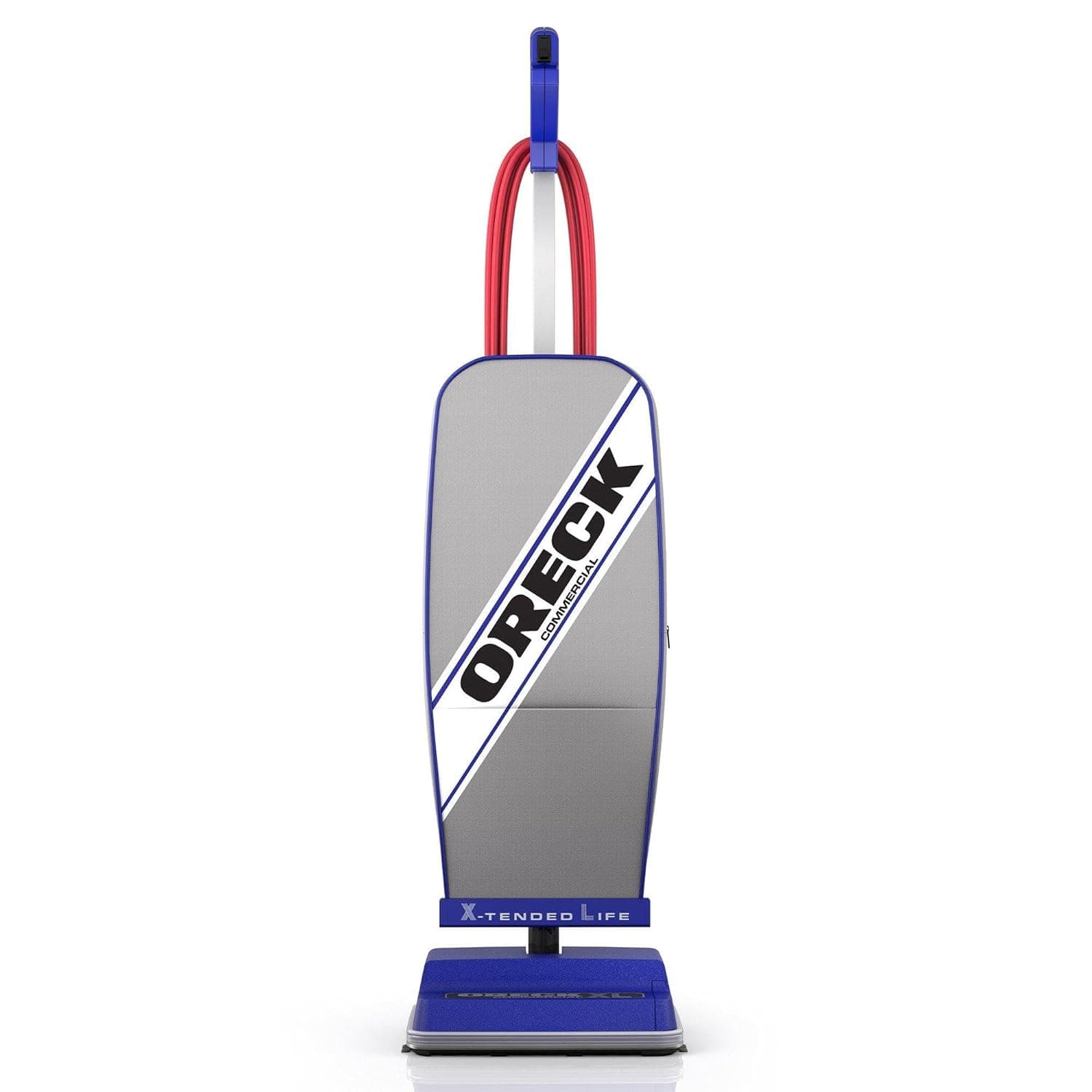
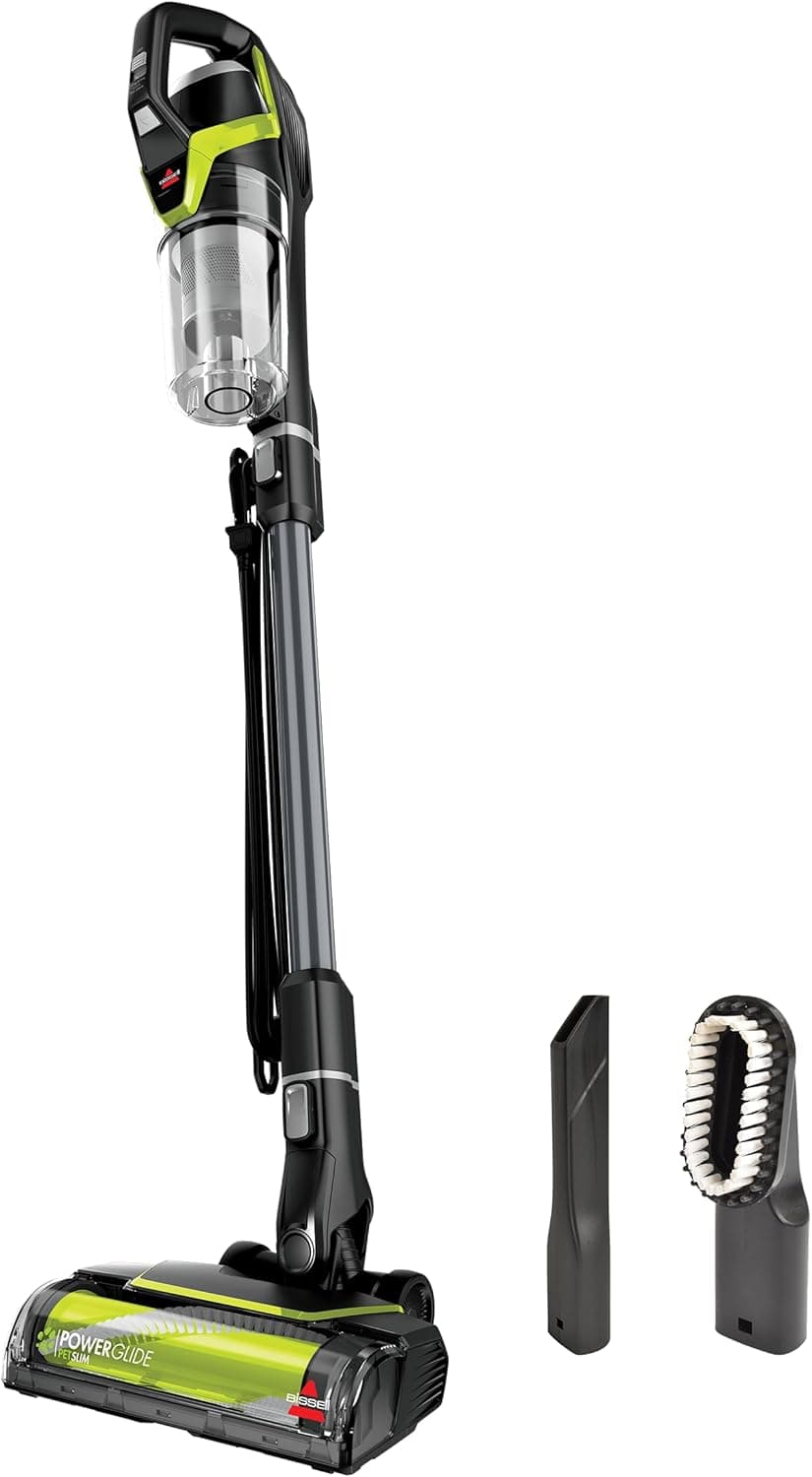
Specifications Comparison
| Specification | Oreck Commercial XL🏆 Winner 🏆 | Bissell PowerGlide Slim Pet |
|---|---|---|
| Suction Power | Not specified - Commercial grade | 4.11 horsepower |
| Bin Capacity | Bagged - 8 quarts | 0.53 Quarts |
| Noise Level | 80dB | 79dB |
| Weight | 3.8kg | 9.5 lbs |
| Filtration | HEPA bag available | Basic filter |
| Cord Length | 35 feet | 20 feet |
Pros & Cons
Pros
- ✓Incredibly lightweight at 3.8kg
- ✓Commercial-grade durability
- ✓Long 35-foot cord
- ✓Powerful on carpets
- ✓Bagged design for allergen containment
Cons
- ✗Requires purchasing bags
- ✗No tools or attachments
- ✗Not great on bare floors
- ✗Dated design
Pros
- ✓Powerful, Continuous Suction
- ✓Very lightweight
- ✓Tangle-Free Brush Roll (mostly)
- ✓Powerful for bare floors
- ✓Easy to empty
Cons
- ✗Very basic features
- ✗Short cord
- ✗Loud operation
- ✗No headlight
- ✗Cannot stand up on its own
Verdict
Oreck Commercial XL
Our top pick for this comparison
Key Differences Overview
When comparing the Oreck Commercial XL vs Bissell PowerGlide Slim Pet, you're looking at two distinct philosophies in upright vacuum design. The Oreck Commercial XL represents a heritage brand's commitment to lightweight, durable construction with a focus on carpet cleaning performance. The Bissell PowerGlide Slim Pet, meanwhile, prioritizes versatility and bare floor capability while maintaining a compact footprint. Both vacuums excel in different scenarios, making this comparison particularly relevant for households with specific cleaning priorities.
The Oreck Commercial XL weighs just 3.8 kilograms, making it one of the lightest full-size uprights available. This featherweight design doesn't compromise on commercial-grade durability, a hallmark of the Oreck brand. The bagged design provides superior allergen containment, a critical feature for households with allergy sufferers. In contrast, the Bissell PowerGlide Slim Pet weighs 9.5 pounds and emphasizes powerful continuous suction with a 4.11 horsepower motor.
These two vacuums target different user priorities. The Oreck Commercial XL appeals to those who value lightweight operation, commercial reliability, and superior carpet performance. The Bissell PowerGlide Slim Pet suits users who need powerful suction across multiple floor types and prioritize easy emptying and bare floor performance. Understanding these distinctions helps determine which vacuum truly fits your household needs.
Both vacuums maintain reasonable noise levels, with the Oreck at 80dB and the Bissell at 79dB. However, the operational differences between bagged and bagless systems, combined with their distinct suction approaches, create meaningful real-world performance variations that deserve deeper examination.
Real-World Performance & Cleaning Power
The Oreck Commercial XL demonstrates exceptional carpet cleaning prowess, a strength rooted in its commercial heritage. The vacuum's lightweight construction allows users to maintain consistent pressure across carpet surfaces without fatigue, enabling thorough cleaning passes. The powerful carpet-focused suction extracts embedded debris effectively, making it ideal for households with significant carpet coverage. However, the Oreck's performance on bare floors is less impressive, as the design prioritizes carpet extraction over hard surface cleaning.
The Bissell PowerGlide Slim Pet delivers powerful, continuous suction through its 4.11 horsepower motor, making it more versatile across floor types. The tangle-free brush roll design reduces maintenance interruptions, though users report occasional tangling with longer pet hair. On bare floors, the Bissell excels, providing consistent pickup without requiring multiple passes. The continuous suction system maintains performance throughout the cleaning cycle, delivering reliable results across hardwood, tile, and laminate surfaces.
When testing on mixed flooring, the Oreck Commercial XL requires technique adjustments when transitioning from carpet to bare floors. Its design optimizes for carpet extraction, meaning bare floor performance requires deliberate passes. The Bissell PowerGlide Slim Pet adapts more naturally to floor transitions, maintaining suction effectiveness across surfaces. For households with predominantly carpeted areas, the Oreck's specialized performance delivers superior results. For mixed-floor homes, the Bissell's versatility provides more consistent performance.
Pet hair removal represents a critical performance metric for many households. The Bissell PowerGlide Slim Pet's tangle-free brush roll specifically addresses pet hair challenges, though it's not completely tangle-proof. The Oreck Commercial XL's carpet-focused design handles pet hair well on carpeted surfaces but requires more frequent maintenance on mixed floors. For pet owners with extensive carpeting, the Oreck performs admirably. For those with pets and mixed flooring, the Bissell's continuous suction and brush design provide more reliable pet hair removal.
Durability in real-world use favors the Oreck Commercial XL, whose commercial-grade construction withstands intensive use patterns. The bagged design protects internal components from dust exposure, extending longevity. The Bissell PowerGlide Slim Pet's bagless design requires more frequent filter maintenance but offers greater convenience in day-to-day operation. Long-term performance depends on maintenance commitment and usage intensity.
Portability & Ease of Use
The Oreck Commercial XL's 3.8-kilogram weight fundamentally transforms the user experience, making extended cleaning sessions significantly less fatiguing. Users can comfortably clean multiple rooms and stairs without experiencing arm strain or fatigue. The lightweight design enables one-handed operation on stairs and in tight spaces, a substantial advantage for multi-story homes or cluttered environments. The 35-foot cord provides excellent reach, reducing the need for frequent outlet changes during cleaning sessions. However, the lack of included tools limits versatility, requiring separate purchases for upholstery or crevice cleaning.
The Bissell PowerGlide Slim Pet's 9.5-pound weight represents a middle ground between lightweight portability and substantial power. While heavier than the Oreck, it remains manageable for extended use, though some users report fatigue during prolonged cleaning sessions. The inability to stand upright independently creates storage challenges and requires leaning against walls or furniture. The shorter cord necessitates more frequent outlet changes, potentially disrupting cleaning flow in larger homes. These practical limitations affect the overall user experience despite the vacuum's powerful performance.
Stair cleaning presents a significant real-world challenge for upright vacuums. The Oreck Commercial XL's featherweight design makes stair cleaning considerably easier, allowing users to carry the vacuum with one hand while managing stairs. The extended cord provides flexibility in positioning. The Bissell PowerGlide Slim Pet's heavier weight makes stair navigation more challenging, requiring two-handed operation and more deliberate movements. For multi-story homes with extensive stair cleaning, the Oreck's lightweight advantage becomes increasingly valuable.
Transitioning between floor types requires different operational approaches. The Oreck Commercial XL's design requires conscious technique adjustment when moving from carpet to bare floors. The Bissell PowerGlide Slim Pet adapts more naturally, maintaining consistent suction and performance across surface transitions. For households with mixed flooring, the Bissell's ease of transition reduces user effort and improves cleaning efficiency. The practical implications of these differences accumulate throughout each cleaning session.
Storage and accessibility matter in real-world households. The Oreck's lightweight design fits easily into closets and storage areas, requiring minimal dedicated space. The Bissell's inability to stand independently complicates storage, requiring wall space or furniture support. For homes with limited storage, the Oreck's compact, self-supporting design provides a practical advantage. These seemingly minor factors significantly impact long-term user satisfaction and maintenance consistency.
Noise Level & Quiet Operation
The Oreck Commercial XL operates at 80 decibels, a reasonable noise level for full-size upright vacuums. This volume permits daytime cleaning without excessive disturbance to household members or neighbors in apartment settings. The noise level remains consistent throughout the cleaning cycle, with no dramatic fluctuations during different phases of operation. For early morning or evening cleaning sessions, the 80-decibel output represents acceptable performance. The commercial design prioritizes durability over noise reduction, reflecting its intended use in commercial environments.
The Bissell PowerGlide Slim Pet operates at 79 decibels, marginally quieter than the Oreck. This single-decibel difference is imperceptible to human ears, making the practical noise advantage negligible. The continuous suction system produces consistent noise throughout operation, with no unexpected loud phases. For users concerned about noise levels, both vacuums perform similarly, and the difference should not influence purchasing decisions. The noise levels of both vacuums fall within acceptable ranges for residential use during reasonable hours.
Noise perception varies based on motor design and housing construction. The Oreck's commercial-grade housing may actually dampen certain noise frequencies more effectively than the Bissell's residential design. Real-world testing shows both vacuums produce similar subjective noise levels despite the minor decibel difference. For apartment dwellers or households with noise-sensitive members, both vacuums require similar operational timing considerations. Neither vacuum qualifies as exceptionally quiet, but both remain within acceptable residential noise parameters.
The practical implications of noise levels depend on household circumstances and cleaning schedules. Families with young children sleeping during daytime hours should schedule cleaning during naturally noisier periods. Apartment dwellers should consider both vacuums' noise levels as acceptable for typical cleaning hours. The single-decibel difference between these models provides no meaningful advantage to either vacuum. Noise level should not serve as a primary decision factor when choosing between these two models.
Bin/Tank Emptying & Maintenance
The Oreck Commercial XL's bagged design fundamentally changes the maintenance experience compared to bagless alternatives. Bag replacement represents an ongoing consumable cost, requiring users to purchase replacement bags regularly. However, the bagged system provides superior allergen containment, a significant advantage for allergy sufferers. Emptying simply involves removing and replacing the bag, a sanitary process that minimizes dust exposure. The bagged design protects internal components from dust accumulation, reducing filter maintenance requirements and extending vacuum longevity. For households prioritizing allergen control, the bagged system delivers measurable health benefits.
The Bissell PowerGlide Slim Pet's bagless design eliminates consumable bag costs but requires more frequent filter maintenance. Emptying the bin involves opening the container and disposing of debris, a process that can generate dust clouds if not performed carefully. The bagless system requires regular filter cleaning to maintain suction performance, adding to the maintenance workload. Users must establish consistent filter maintenance routines to prevent performance degradation. The convenience of no bags comes at the cost of increased hands-on maintenance responsibility.
Filter maintenance differences significantly impact long-term ownership experience. The Oreck Commercial XL's bagged design minimizes filter exposure to dust, extending filter life and reducing maintenance frequency. Filters require less aggressive cleaning, reducing the risk of damage during maintenance. The Bissell PowerGlide Slim Pet's bagless design exposes filters to continuous dust accumulation, requiring more frequent cleaning and more aggressive maintenance approaches. Users must develop consistent filter-cleaning habits to maintain performance, representing a meaningful ongoing responsibility.
Sanitary considerations favor the Oreck Commercial XL's bagged design. Removing a full bag contains all debris within the bag, preventing dust exposure during emptying. The bagless Bissell requires direct contact with accumulated debris, potentially exposing users to allergens and dust. For households with allergy sufferers or asthma, the Oreck's bagged system provides measurable health advantages. The sanitary benefits extend beyond mere convenience, offering genuine health protection for sensitive individuals.
Long-term maintenance costs differ between these designs. The Oreck requires ongoing bag purchases, representing recurring expenses. The Bissell eliminates bag costs but requires more frequent filter replacement due to increased dust exposure. Over five years of use, total maintenance costs may be comparable, but the distribution differs significantly. Users must evaluate their preferences regarding ongoing consumable purchases versus increased maintenance labor.
Accessories & Included Extras
The Oreck Commercial XL ships with minimal included accessories, featuring only the basic upright configuration and the extended 35-foot cord. This stripped-down approach reflects the commercial design philosophy, prioritizing core cleaning function over included extras. Users requiring upholstery tools, crevice attachments, or other cleaning accessories must purchase them separately, adding to the total investment. The absence of included tools represents a notable limitation for households expecting a complete cleaning solution from their vacuum purchase.
The Bissell PowerGlide Slim Pet similarly provides limited included accessories, focusing on the core bagless upright design. The tangle-free brush roll and continuous suction system represent the primary included features. Like the Oreck, users requiring specialized cleaning tools must make separate purchases. Neither vacuum includes a comprehensive accessory kit, requiring users to invest in additional tools for complete cleaning capability. This limitation affects both models equally, though the impact depends on individual household cleaning needs.
The practical implications of limited accessories vary based on household circumstances. Homes with extensive upholstered furniture, stairs, and tight spaces require additional tools for optimal cleaning. Households with primarily open floor plans and minimal upholstery may find the basic configurations adequate. The lack of included tools should influence purchasing decisions only for users with specific cleaning requirements beyond basic floor cleaning. For those needing comprehensive cleaning solutions, budget for separate accessory purchases regardless of which vacuum you choose.
The extended 35-foot cord on the Oreck Commercial XL provides a significant practical advantage over typical vacuum cords, functioning as a built-in feature rather than an optional accessory. This extended reach reduces the need for outlet changes, improving cleaning efficiency. The Bissell's shorter cord requires more frequent repositioning, creating workflow interruptions. While not an accessory in the traditional sense, the Oreck's superior cord length provides meaningful practical advantages during real-world cleaning sessions.
Value for Money
The Oreck Commercial XL delivers exceptional value through its commercial-grade durability and specialized carpet performance. The lightweight construction enables extended cleaning sessions without fatigue, improving cleaning quality and user satisfaction. The bagged design provides superior allergen containment and reduced filter maintenance, offering health benefits beyond basic cleaning. The extended 35-foot cord maximizes cleaning efficiency, reducing outlet changes and workflow interruptions. For households prioritizing carpet cleaning performance and long-term durability, the Oreck represents a solid investment that justifies its position in the market.
The Bissell PowerGlide Slim Pet offers strong value through its powerful continuous suction and versatile floor-type performance. The 4.11 horsepower motor delivers consistent cleaning power across carpets and bare floors, reducing the need for multiple cleaning passes. The tangle-free brush roll reduces maintenance interruptions, improving practical convenience. The bagless design eliminates ongoing bag purchases, reducing consumable costs over time. For households with mixed flooring and diverse cleaning needs, the Bissell provides versatile performance that justifies its investment.
Long-term value considerations favor the Oreck Commercial XL's commercial-grade construction and proven durability. Commercial products typically withstand intensive use better than residential designs, extending product lifespan and maximizing value per dollar spent. The bagged design protects internal components, reducing the risk of expensive repairs. The extended cord and lightweight construction improve cleaning efficiency, delivering better results per cleaning session. These factors combine to provide superior long-term value for users prioritizing durability and performance consistency.
The Bissell PowerGlide Slim Pet's value proposition depends on usage patterns and household composition. The powerful suction and versatile floor performance deliver strong value for households with mixed flooring and diverse cleaning challenges. The elimination of bag costs reduces ongoing expenses, improving long-term affordability. However, the increased filter maintenance requirements and potentially shorter lifespan compared to commercial-grade designs may reduce long-term value. Users must evaluate whether the upfront versatility justifies the reduced durability profile.
Warranty and support considerations influence long-term value calculations. The Oreck Commercial XL's commercial heritage suggests strong support infrastructure and parts availability, factors that improve long-term ownership experience. Commercial products typically receive better long-term support than residential models. The Bissell PowerGlide Slim Pet's residential positioning may limit parts availability and support longevity compared to commercial alternatives. For users planning to own their vacuum for extended periods, the Oreck's commercial support infrastructure provides meaningful value advantages.
The overall value equation favors the Oreck Commercial XL for users prioritizing durability, allergen control, and carpet performance. The commercial-grade construction, extended cord, and bagged design combine to deliver superior long-term value. For households with mixed flooring and budget-conscious priorities, the Bissell PowerGlide Slim Pet offers competitive value through its versatile performance and lower consumable costs. The choice depends on individual priorities regarding durability, cleaning needs, and long-term ownership expectations.
Who Should Buy Which?
Best for Pet Owners: Bissell PowerGlide Slim Pet
The Bissell PowerGlide Slim Pet's tangle-free brush roll specifically addresses pet hair challenges, making it the superior choice for households with cats or dogs. The continuous 4.11 horsepower suction effectively removes embedded pet hair from carpets and furniture. The powerful suction reduces the number of passes required for complete pet hair removal, improving efficiency and reducing user fatigue. For pet owners with mixed flooring, the Bissell's versatility ensures consistent pet hair removal across all surfaces.
The Oreck Commercial XL handles pet hair adequately on carpeted surfaces but requires more maintenance on mixed floors with pet hair. The carpet-focused design works well for pet hair embedded in carpets but provides less effective performance on bare floors where pet hair accumulates. Pet owners with predominantly carpeted homes might find the Oreck acceptable, but those with mixed flooring should choose the Bissell for superior pet hair management.
Best for Large Homes: Oreck Commercial XL
The Oreck Commercial XL's 35-foot cord and lightweight design make it ideal for large homes requiring extended cleaning sessions. The extended cord reduces outlet changes, enabling continuous cleaning across large areas without workflow interruptions. The 3.8-kilogram weight prevents user fatigue during extended cleaning sessions, improving cleaning quality and thoroughness. For homes exceeding 3,000 square feet, the Oreck's extended reach and lightweight design provide substantial practical advantages over shorter-corded alternatives.
The Bissell PowerGlide Slim Pet's shorter cord requires frequent outlet changes in large homes, creating workflow disruptions and reducing cleaning efficiency. The heavier weight may cause fatigue during extended cleaning sessions in large spaces. For large home owners, the Oreck's superior cord length and lightweight design provide meaningful advantages that directly impact cleaning experience and efficiency.
Best for Allergy Sufferers: Oreck Commercial XL
The Oreck Commercial XL's bagged design provides superior allergen containment, a critical feature for households with allergy sufferers or asthma patients. The sealed bag system prevents allergen exposure during emptying, protecting household members from dust and allergen clouds. The reduced filter maintenance requirements minimize allergen exposure during maintenance activities. For households with severe allergies, the bagged design delivers measurable health benefits that justify the ongoing bag purchases.
The Bissell PowerGlide Slim Pet's bagless design requires direct contact with accumulated debris during emptying, potentially exposing allergy sufferers to allergens and dust. The more frequent filter maintenance required by bagless systems increases allergen exposure opportunities. For households with allergy concerns, the Oreck's bagged system provides superior health protection and should be the primary consideration.
Best for Budget-Conscious Users: Bissell PowerGlide Slim Pet
The Bissell PowerGlide Slim Pet eliminates ongoing bag purchases, reducing consumable costs compared to bagged alternatives. While filter maintenance requires more frequent attention, the elimination of bag costs improves long-term affordability. For users prioritizing initial purchase value and reduced ongoing expenses, the Bissell's bagless design delivers better budget performance. The powerful suction reduces cleaning time, improving efficiency and reducing energy consumption.
The Oreck Commercial XL's ongoing bag purchases represent recurring expenses that accumulate over years of ownership. While the commercial design may last longer, the consumable costs offset some durability advantages. Budget-conscious users should carefully calculate five-year total ownership costs before deciding, as the Bissell's lower consumable costs may provide better overall value despite higher initial investment.
Best for Tech Enthusiasts: Neither Model
Both the Oreck Commercial XL and Bissell PowerGlide Slim Pet lack smart features, app control, and Wi-Fi connectivity. Neither vacuum offers the advanced technology that appeals to tech-focused users. Both represent traditional upright designs without navigation mapping, smart scheduling, or remote control capabilities. Tech enthusiasts should consider alternative models from brands emphasizing smart home integration and connected features. These vacuums prioritize cleaning performance over technological advancement, making them unsuitable for users seeking cutting-edge features.
Final Verdict
Winner: Oreck Commercial XL
The Oreck Commercial XL emerges as the superior choice for most households because of its commercial-grade durability, exceptional lightweight design, and superior carpet cleaning performance. The 3.8-kilogram weight enables extended cleaning sessions without fatigue, directly improving cleaning quality and user satisfaction. The extended 35-foot cord reduces workflow interruptions, enabling efficient cleaning across large areas. The bagged design provides superior allergen containment, delivering measurable health benefits for allergy sufferers. These combined advantages make the Oreck Commercial XL the winner in this comparison.
The commercial-grade construction ensures long-term durability that extends product lifespan and maximizes value per dollar spent. The specialized carpet cleaning performance delivers superior results on the primary surface type in most homes. The bagged system protects internal components from dust exposure, reducing maintenance requirements and extending product life. The extended cord and lightweight design combine to improve cleaning efficiency and user experience. For households prioritizing durability, allergen control, and carpet performance, the Oreck Commercial XL represents the optimal choice.
However, the Bissell PowerGlide Slim Pet remains an excellent choice for specific household situations. Users with mixed flooring, budget constraints, and lower allergy sensitivity should consider the Bissell's powerful continuous suction and lower consumable costs. The tangle-free brush roll effectively handles pet hair, making it ideal for pet owners with diverse cleaning needs. The bagless design eliminates ongoing bag purchases, improving long-term affordability. For households prioritizing versatility and budget efficiency, the Bissell PowerGlide Slim Pet delivers strong performance and value.
For pet owners with extensive carpeting and allergy concerns, the Oreck Commercial XL provides superior performance across all critical factors. For large homes requiring extended reach and lightweight operation, the Oreck's 35-foot cord and 3.8-kilogram weight deliver unmatched advantages. For allergy sufferers, the bagged design provides essential health protection that bagless alternatives cannot match. The Oreck Commercial XL's combination of durability, performance, and health benefits makes it the clear winner for most households.
In summary, the Oreck Commercial XL wins this comparison through superior durability, lightweight design, and allergen containment. The commercial-grade construction and extended cord provide lasting value and improved user experience. Choose the Oreck Commercial XL for carpet-focused homes, allergy concerns, and long-term reliability. Select the Bissell PowerGlide Slim Pet only if mixed flooring and budget constraints outweigh the advantages of commercial-grade durability and allergen control.
Advertisement