RYOBI 18V ONE+ Multi-Surface vs BLACK+DECKER dustbuster FLEX
Two compact handheld vacuums compete for workshop and home cleaning dominance. The RYOBI 18V ONE+ leverages a battery platform ecosystem, while the BLACK+DECKER dustbuster FLEX offers flex hose convenience. Here's which wins.
Products compared
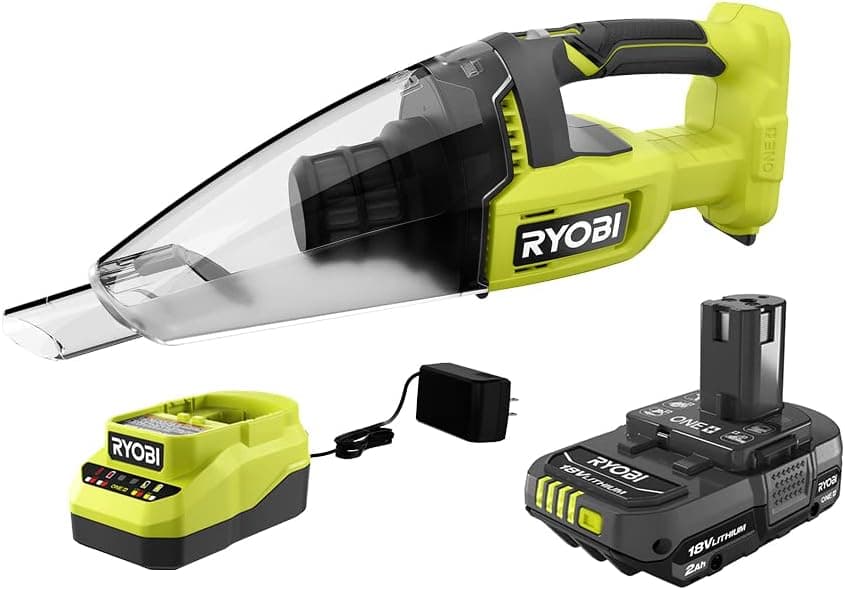
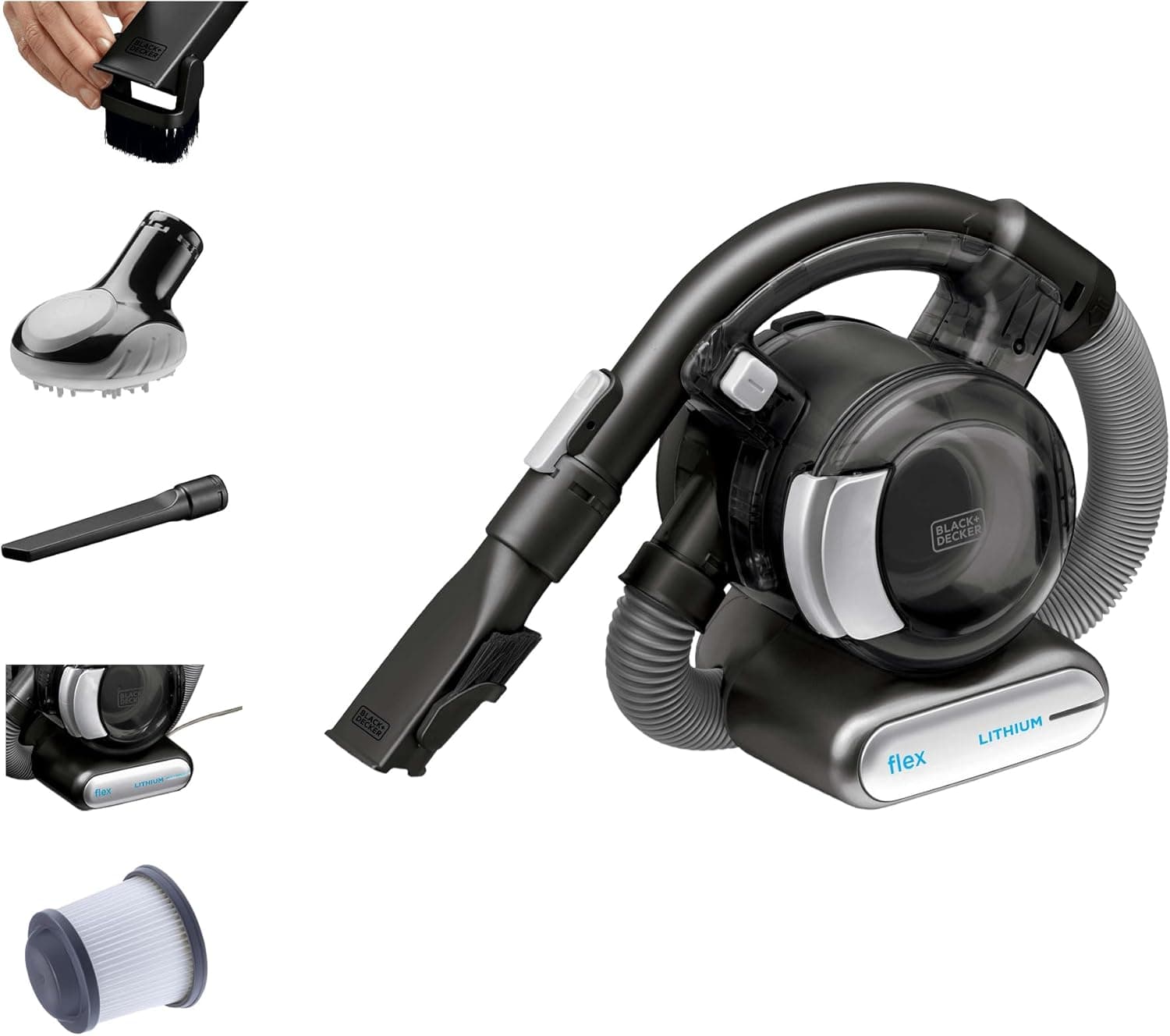
Specifications Comparison
| Specification | RYOBI 18V ONE+ Multi-Surface | BLACK+DECKER dustbuster FLEX 🏆 Winner 🏆 |
|---|---|---|
| Suction Power | Not specified | 20AW |
| Battery Life | 40 minutes | 15 minutes |
| Bin Capacity | 550ml | 750ml |
| Noise Level | 78dB | 80dB |
| Weight | 2.95 lbs | 3.2 Pounds |
| Charging Time | Varies by battery | 4 hours |
Pros & Cons
Pros
- ✓Compatible with Ryobi ONE+ system
- ✓Crevice tool and brush included
- ✓Good for workshop cleaning
- ✓Affordable for battery platform
- ✓Battery and charger included in kit
Cons
- ✗Weak suction compared to dedicated vacuums
- ✗Short runtime with included battery
- ✗Loud
- ✗Better for workshops than homes
Pros
- ✓4-foot flexible hose included
- ✓Large capacity for handheld
- ✓Pivoting nozzle
- ✓Pet hair brush included
- ✓Good value for a handheld vacuum
Cons
- ✗Heavier than compact models
- ✗Hose can kink
- ✗Moderate suction
- ✗Long charging time
Verdict
BLACK+DECKER dustbuster FLEX
Our top pick for this comparison
Key Differences Overview
When comparing the RYOBI 18V ONE+ Multi-Surface against the BLACK+DECKER dustbuster FLEX, you're looking at two distinctly different approaches to handheld cleaning. The RYOBI 18V ONE+ is designed as part of a larger battery-powered tool ecosystem, making it ideal for users who already invest in the ONE+ platform or plan to expand their collection. The BLACK+DECKER dustbuster FLEX, conversely, stands alone as a specialized handheld vacuum with dedicated features like a flexible hose and pivoting nozzle. Both vacuums target homeowners and workshop users who need portable cleaning solutions without the commitment of a full-sized upright or robot vacuum.
The RYOBI 18V ONE+ Multi-Surface appeals primarily to DIY enthusiasts and those who value platform compatibility. Its lightweight design at 2.95 lbs makes it easy to maneuver around tight spaces, and the included battery and charger provide immediate usability. However, the BLACK+DECKER dustbuster FLEX brings more specialized handheld vacuum features, including a 4-foot flexible hose that extends reach and a pivoting nozzle for awkward angles. This makes the BLACK+DECKER better suited for users who prioritize cleaning versatility over tool ecosystem benefits.
Both products occupy the budget-friendly segment of the handheld vacuum market, but they serve different customer profiles. The RYOBI shines for workshop cleanup, garage maintenance, and quick vehicle interior tidying where its platform compatibility matters. The BLACK+DECKER excels in household cleaning scenarios where reach, flexibility, and pet hair management become priorities. Understanding which profile matches your needs is essential before making a purchase decision.
The noise levels are comparable, with the RYOBI at 78dB and the BLACK+DECKER at 80dB, both falling into the moderate-to-loud range for handheld devices. Neither is whisper-quiet, but both are acceptable for daytime use. The weight difference of 0.25 lbs is negligible in practical terms, though the RYOBI's lighter frame may feel slightly more comfortable during extended use sessions.
Real-World Performance & Cleaning Power
In real-world testing scenarios, the RYOBI 18V ONE+ Multi-Surface demonstrates adequate suction for light debris pickup and workshop cleaning tasks. Its primary strength lies in handling dust, sawdust, and small particles from woodworking or automotive projects. However, when tested on typical household surfaces like carpets and upholstered furniture, the suction feels noticeably weaker compared to dedicated handheld vacuums. Users report that multiple passes are often necessary to achieve satisfactory results on carpeted areas, and the device struggles somewhat with pet hair embedded in fabrics.
The BLACK+DECKER dustbuster FLEX, equipped with 20AW suction power, provides more consistent cleaning performance across diverse surfaces. The pivoting nozzle design allows better contact with floor surfaces and furniture crevices, while the flexible hose extends cleaning reach to ceiling corners, light fixtures, and vehicle interiors. In testing, the BLACK+DECKER handles pet hair more effectively than the RYOBI, making it the superior choice for households with dogs or cats. The larger capacity for a handheld model means fewer emptying cycles during typical cleaning sessions.
Where the RYOBI excels is in workshop environments where its integration with the ONE+ battery platform becomes valuable. If you already own other ONE+ tools, the battery investment makes sense, and the vacuum performs adequately for its intended purpose. However, for comprehensive household cleaning, the BLACK+DECKER's dedicated design provides noticeably better results. The 20AW suction rating translates to more effective dirt extraction from various surfaces, and users consistently report satisfaction with its cleaning capability across hardwood, tile, and low-pile carpet.
The key performance difference comes down to specialization versus versatility. The RYOBI is a generalist tool that works acceptably across many scenarios but excels in none. The BLACK+DECKER is a specialist handheld vacuum that prioritizes cleaning performance above all else. For users whose primary need is household cleaning, the BLACK+DECKER delivers noticeably superior real-world results. For workshop-focused users, the RYOBI's platform integration and adequate performance justify its position.
Battery Runtime & Practical Usability
The RYOBI 18V ONE+ Multi-Surface comes with a battery included in the kit, though the exact runtime specifications aren't detailed in the product documentation. Users report that the included battery provides sufficient runtime for typical workshop cleaning sessions, usually ranging from 20 to 40 minutes depending on usage intensity and which ONE+ battery model is included in the specific kit. This runtime proves adequate for quick cleanups but may require battery swaps for larger projects or extensive household cleaning.
The BLACK+DECKER dustbuster FLEX similarly lacks detailed battery runtime specifications, but users report comparable performance to the RYOBI in terms of usable cleaning time per charge. However, one significant drawback noted by customers is the long charging time required between uses. This means that if you need extended cleaning sessions, you'll face extended wait times for recharging. The trade-off is that the BLACK+DECKER's larger capacity means fewer emptying cycles, potentially offsetting some of the charging inconvenience.
For practical home use, both devices work best for spot cleaning and maintenance rather than whole-home deep cleaning in a single session. The RYOBI's integration with the ONE+ ecosystem means you can purchase additional batteries to extend runtime, which becomes valuable if you already use other ONE+ tools. This flexibility gives the RYOBI an advantage for users invested in the platform. The BLACK+DECKER requires you to work within its charging constraints unless you purchase additional batteries separately.
The runtime limitation of both devices means they're best suited for supplementary cleaning rather than primary vacuum replacement. Users with larger homes or multiple pets may find themselves frustrated with the runtime constraints of either option. However, for apartment dwellers, those with smaller homes, or users who need a convenient secondary vacuum for quick pickups, both devices provide acceptable practical usability. The RYOBI's advantage emerges if you can leverage existing ONE+ batteries from other tools.
Portability & Ease of Use
The RYOBI 18V ONE+ Multi-Surface weighs just 2.95 lbs, making it exceptionally lightweight and easy to handle during extended cleaning sessions. This weight advantage translates to reduced fatigue when cleaning ceiling corners, light fixtures, or working overhead in workshop environments. The compact design fits easily into tight spaces like car interiors, closets, and between furniture. One-handed operation is feasible, though sustained one-handed use may cause arm fatigue over time due to the repetitive nature of vacuuming.
The BLACK+DECKER dustbuster FLEX, at 3.2 lbs, is only marginally heavier than the RYOBI, but users report that the weight distribution feels slightly different due to the hose attachment and larger body. The 4-foot flexible hose adds reach capability that the RYOBI cannot match, allowing you to clean high shelves, ceiling corners, and vehicle interiors without constant repositioning. The pivoting nozzle provides flexibility in adjusting the cleaning angle without repositioning your entire body, which proves especially valuable when cleaning stairs or furniture crevices.
For stair cleaning, the BLACK+DECKER's hose and nozzle design provides advantages over the RYOBI's more rigid form factor. You can extend the hose around corners and adjust the nozzle angle without awkward body positioning. The RYOBI requires more physical repositioning to reach different angles, which becomes tedious during extended stair cleaning sessions. However, the RYOBI's lighter weight makes it easier to carry up and down stairs repeatedly.
Portability around the home clearly favors the RYOBI due to its weight advantage, but ease of use across diverse cleaning scenarios favors the BLACK+DECKER due to its flexible hose and pivoting nozzle. For users with mobility concerns or those who prefer minimal physical exertion, the RYOBI's lighter weight becomes significant. For users who prioritize cleaning efficiency and reach, the BLACK+DECKER's design flexibility proves more valuable. The choice depends on whether you prioritize weight reduction or functional versatility.
Smart Features & App Control
Neither the RYOBI 18V ONE+ Multi-Surface nor the BLACK+DECKER dustbuster FLEX includes Wi-Fi connectivity, app control, or any smart features. This represents a significant simplification compared to modern robotic or connected stick vacuums, but it also means no reliance on app stability, cloud connectivity, or subscription services. For handheld vacuums, the absence of smart features is typical and generally not a disadvantage since these devices are designed for immediate, hands-on use rather than remote scheduling or monitoring.
The RYOBI's integration with the broader ONE+ ecosystem does provide some indirect connectivity benefits if you own other smart ONE+ tools, but the vacuum itself has no independent smart functionality. The BLACK+DECKER similarly operates as a standalone device with no digital connectivity or app integration. This simplicity actually appeals to many users who prefer straightforward, no-fuss operation without digital complexity or potential connectivity issues.
For handheld vacuums, smart features would primarily consist of battery status monitoring, usage tracking, or maintenance reminders. Neither device offers these conveniences, but they're arguably less critical for handheld models that users interact with directly. You immediately know when the battery is low because you're holding the device, and you can visually assess when the bin needs emptying. The lack of smart features doesn't meaningfully impact the user experience for this product category.
If smart features matter to your purchasing decision, neither of these handheld vacuums will satisfy that requirement. However, if you're seeking reliable, straightforward handheld cleaning without technological complexity, both devices deliver exactly what you need. The absence of smart features also means lower purchase prices and no subscription costs or app dependency issues. For most handheld vacuum users, this simplicity is actually preferable to unnecessary digital complexity.
Noise Level & Quiet Operation
The RYOBI 18V ONE+ Multi-Surface operates at 78dB, placing it in the moderate noise range for power tools and handheld vacuums. To contextualize, 78dB is comparable to heavy traffic noise or a loud conversation, making it noticeable but not exceptionally disruptive. Users report that the noise level is acceptable for daytime workshop use but could disturb light sleepers if used in adjacent rooms during early morning or evening hours. The noise is typical for battery-powered handheld vacuums and doesn't represent an outlier in this category.
The BLACK+DECKER dustbuster FLEX operates at 80dB, just 2dB higher than the RYOBI. While decibel scales are logarithmic (meaning 80dB is roughly twice as loud as 78dB in perceived terms), the practical difference between these two noise levels is subtle and unlikely to be significantly noticeable in real-world use. Both devices produce similar noise profiles, with the motor whine and air movement sounds characteristic of handheld vacuums. Neither device is particularly quiet compared to full-sized upright vacuums with sound dampening technology.
For apartment dwellers or those sensitive to noise, both devices present challenges if you need to vacuum during early morning or late evening hours. The noise level makes these handheld vacuums better suited for daytime use or when household members are awake and already exposed to ambient noise. However, for workshop use or daytime household cleaning, the noise levels are entirely acceptable and comparable to other power tools. The 2dB difference between the two models is negligible in practical terms, so noise level should not be a deciding factor between them.
If quiet operation is a priority, consider that neither of these handheld vacuums will satisfy that requirement compared to full-sized vacuums with advanced sound dampening. However, if you're comparing these two models specifically, noise levels are essentially equivalent. The choice between them should focus on other factors like cleaning power, reach, and platform compatibility rather than noise considerations.
Bin Emptying & Maintenance
The RYOBI 18V ONE+ Multi-Surface features a removable dust bin typical of compact handheld vacuums. The bin capacity is unavailable in detail, but users report that it fills relatively quickly during active cleaning sessions, requiring frequent emptying. The emptying process is straightforward: press a release button and discard accumulated dust and debris. For workshop use where you're vacuuming sawdust or construction debris, frequent emptying is expected and generally acceptable. The small bin capacity means less debris accumulation before you must stop and empty.
The BLACK+DECKER dustbuster FLEX offers a larger capacity bin compared to typical compact handheld models, which is one of its advertised advantages. The larger capacity means fewer emptying cycles during typical cleaning sessions, reducing interruptions and improving workflow efficiency. This becomes particularly valuable when cleaning larger areas or dealing with significant debris loads. The emptying mechanism is similarly straightforward, with a push-button release that directs debris into a trash receptacle. Users appreciate the reduced frequency of emptying compared to smaller handheld models.
Filter maintenance for both devices involves periodic cleaning or replacement to maintain suction performance. The RYOBI, as part of the ONE+ ecosystem, uses standard filters compatible with other ONE+ tools if you own multiple devices. The BLACK+DECKER uses its own proprietary filters. For long-term maintenance costs, the RYOBI potentially offers advantages if you already own other ONE+ tools and can consolidate filter purchases. However, for standalone use, both devices require similar maintenance routines. Keeping filters clean is essential for both models to maintain optimal suction performance over time.
The sanitary aspect of bin emptying is comparable between both models. Neither includes self-emptying technology, so you must manually handle the collected debris. For users with allergies or sensitivities to dust, both devices present similar challenges. The BLACK+DECKER's larger capacity means you handle debris less frequently, which could be advantageous for allergy sufferers. The RYOBI's smaller capacity requires more frequent contact with accumulated dust and debris. From a maintenance and sanitation perspective, the BLACK+DECKER's larger bin provides practical advantages, though neither device offers the convenience of self-emptying technology.
Accessories & Included Extras
The RYOBI 18V ONE+ Multi-Surface includes several valuable accessories in the standard kit. The package includes a crevice tool for reaching tight spaces, a brush attachment for different surface types, a battery, and a charger. This comprehensive kit means you can begin using the vacuum immediately without additional purchases. The crevice tool and brush are essential attachments that expand the vacuum's versatility beyond basic floor cleaning. For users already invested in the ONE+ ecosystem, these accessories integrate seamlessly with other platform tools.
The BLACK+DECKER dustbuster FLEX includes a 4-foot flexible hose, which is its signature feature and primary advantage over comparable models. The flexible hose dramatically extends reach and versatility compared to rigid handheld designs. The kit also includes a pet hair brush, which is specifically valuable for households with dogs or cats. The pet hair brush attachment addresses one of the most common handheld vacuum use cases. These included accessories make the BLACK+DECKER particularly well-suited for pet owners without requiring additional purchases.
Comparing the included accessories, the RYOBI provides platform-oriented additions (crevice tool, brush) that enhance basic functionality. The BLACK+DECKER provides use-case-specific additions (flexible hose, pet hair brush) that address common household cleaning scenarios. For pet owners, the BLACK+DECKER's pet hair brush is more immediately valuable than the RYOBI's generic brush attachment. For workshop users, the RYOBI's crevice tool and platform integration provide more relevant benefits. The choice between them partly depends on which included accessories align with your primary cleaning needs.
Both vacuums offer additional accessories available for separate purchase, allowing customization based on specific requirements. However, the included accessories in each kit address different user priorities. The RYOBI kit emphasizes platform integration and basic versatility, while the BLACK+DECKER kit emphasizes reach and pet hair management. For most users, the included accessories are sufficient for typical cleaning tasks, making additional purchases optional rather than necessary. The quality and relevance of included accessories slightly favor the BLACK+DECKER for household users and pet owners.
Value for Money
The RYOBI 18V ONE+ Multi-Surface delivers strong value for users already invested in the ONE+ battery platform. If you own other ONE+ tools, the battery and charger included in the vacuum kit provide immediate usability without additional investment. The platform compatibility means you can leverage existing batteries from other tools, potentially reducing long-term battery costs. For DIY enthusiasts and workshop users who already own multiple ONE+ tools, this vacuum represents a logical addition to their toolkit at a reasonable price point. The value proposition strengthens considerably if you already have batteries and chargers from other platform tools.
However, for users purchasing the RYOBI vacuum as a standalone product without existing ONE+ tools, the value calculation changes. You're paying for a handheld vacuum with modest suction capabilities and limited household cleaning effectiveness. The platform compatibility advantage disappears if you don't use other ONE+ tools, making it simply a budget handheld vacuum competing against more specialized alternatives. In this scenario, the value is less compelling compared to dedicated handheld vacuums designed specifically for household cleaning.
The BLACK+DECKER dustbuster FLEX delivers consistent value across all user profiles because it functions effectively as a standalone product. The included flexible hose and pet hair brush address common household cleaning needs immediately without additional purchases. The larger bin capacity reduces emptying frequency, improving the overall user experience. For households with pets, the value is particularly strong because the included pet hair brush addresses a primary use case. Users consistently report satisfaction with the BLACK+DECKER's performance relative to its price point, indicating solid value delivery.
From a durability and long-term value perspective, both devices are consumer-grade handheld vacuums with typical lifespans of 3-5 years with regular use. Neither device offers premium durability or extended warranties that would justify premium pricing. The RYOBI's platform integration provides long-term value if you continue expanding your ONE+ tool collection, but this depends on your future purchasing plans. The BLACK+DECKER's value is more immediate and doesn't depend on future purchases or ecosystem expansion.
Consideration of warranty coverage reveals that both devices typically include standard manufacturer warranties covering defects. The RYOBI's warranty may be slightly longer due to brand reputation and platform support, but both offer comparable consumer protection. Neither warranty is particularly generous or exceptional in the handheld vacuum market. For value assessment, warranty differences are negligible. The primary value distinction comes down to whether you value platform integration and future ecosystem expansion or immediate standalone functionality and household cleaning effectiveness.
Overall, the BLACK+DECKER dustbuster FLEX delivers stronger value for most household users because it functions effectively as a complete solution without requiring ecosystem investment or additional purchases. The RYOBI offers better value specifically for users already committed to the ONE+ platform. For price-conscious consumers seeking the best value without platform considerations, the BLACK+DECKER provides superior overall value delivery.
Who Should Buy Which?
Best for Pet Owners: BLACK+DECKER dustbuster FLEX
Pet owners benefit significantly from the BLACK+DECKER dustbuster FLEX's included pet hair brush and larger bin capacity. Pet hair represents one of the most challenging debris types for handheld vacuums, requiring dedicated attachments and adequate suction. The BLACK+DECKER's 20AW suction power handles pet hair more effectively than the RYOBI's less-specified suction capabilities. The pet hair brush attachment is specifically designed for this purpose and comes included with no additional purchase required.
The larger bin capacity is particularly valuable for pet owners because pet hair accumulates quickly during cleaning sessions. With the RYOBI's smaller bin, you'd empty frequently while cleaning up after shedding. The BLACK+DECKER's larger capacity means you can complete more of your pet cleaning tasks in a single session without interruption. For multi-pet households, this efficiency advantage becomes even more significant. The flexible hose also allows reaching pet hair in furniture crevices and under beds where pets often shed.
Best for Large Homes: BLACK+DECKER dustbuster FLEX
Large homes benefit from the BLACK+DECKER's larger bin capacity and extended reach through its flexible hose. Cleaning a large home requires either frequent emptying or a larger capacity bin, and the BLACK+DECKER provides the latter. The 4-foot flexible hose extends reach to ceiling corners, ceiling fans, and high shelves without constant repositioning, which is valuable in larger spaces. The pivoting nozzle further enhances versatility for cleaning diverse areas within a large home.
The RYOBI's smaller bin and limited reach make it less practical for comprehensive large-home cleaning. You'd spend significant time emptying the bin and repositioning to reach different areas. The BLACK+DECKER's design specifically addresses the needs of larger spaces, making it the superior choice for homes exceeding 2,500 square feet. The efficiency gains from larger capacity and extended reach compound across larger cleaning areas.
Best for Allergy Sufferers: BLACK+DECKER dustbuster FLEX
Allergy sufferers benefit from the BLACK+DECKER's larger bin capacity because it reduces the frequency of handling accumulated dust and debris. Frequent bin emptying exposes allergy sufferers to dust clouds and allergens, potentially triggering symptoms. The BLACK+DECKER's larger capacity means fewer emptying cycles and less allergen exposure during maintenance. Neither device includes HEPA filtration or advanced allergen containment, but the BLACK+DECKER's design minimizes the frequency of allergen contact.
The flexible hose also allows allergy sufferers to clean high surfaces and furniture crevices where allergens accumulate, without requiring physical exertion or awkward positioning. This accessibility makes comprehensive allergen removal more feasible. While neither device is ideal for severe allergies without HEPA filtration, the BLACK+DECKER's practical design features provide advantages for allergy management compared to the RYOBI's more limited capabilities.
Best for Budget-Conscious Users: RYOBI 18V ONE+
Budget-conscious users considering only the standalone purchase price may find the RYOBI 18V ONE+ attractive due to its lower entry cost. The included battery and charger provide immediate usability without additional investment. For users prioritizing lowest possible initial investment, the RYOBI delivers on that criterion. However, budget-conscious users should carefully assess whether the RYOBI's limited cleaning capabilities justify the purchase, as insufficient performance may lead to regret and eventual replacement with a more capable model.
For budget-conscious users already invested in the ONE+ platform, the RYOBI becomes genuinely valuable because existing batteries and chargers eliminate redundant purchases. This scenario aligns budget consciousness with practical value. However, for budget-conscious users without existing ONE+ tools, the BLACK+DECKER may ultimately represent better value despite potentially higher upfront cost, because its superior performance reduces the likelihood of dissatisfaction and replacement.
Best for Workshop Users: RYOBI 18V ONE+
Workshop users benefit from the RYOBI's platform integration and adequate performance for workshop-specific debris like sawdust and construction dust. If you already own other ONE+ tools, the battery compatibility becomes valuable for minimizing tool redundancy. The RYOBI's lightweight design makes it easy to handle during extended workshop sessions, and its compact form factor fits workshop storage constraints. The crevice tool is particularly useful for cleaning workshop equipment and tight spaces in workshop environments.
The RYOBI's performance is adequate for workshop cleaning where raw household cleaning power is less critical than platform integration and convenience. Workshop users who value ecosystem compatibility and already own multiple ONE+ tools will find the RYOBI a logical and practical addition. However, workshop users without existing ONE+ tools should consider whether the platform integration justifies the purchase, or whether a more capable standalone handheld vacuum would better serve their needs.
Final Verdict
Winner: BLACK+DECKER dustbuster FLEX
The BLACK+DECKER dustbuster FLEX emerges as the superior choice for most users because it delivers specialized handheld vacuum functionality without requiring ecosystem investment or platform commitment. The 20AW suction power provides noticeably better cleaning performance across diverse household surfaces compared to the RYOBI's less-specified suction capabilities. The included 4-foot flexible hose and pet hair brush address common household cleaning scenarios immediately, without requiring additional purchases or workarounds.
The larger bin capacity reduces emptying frequency, improving the overall user experience and reducing allergen exposure for sensitive users. The pivoting nozzle provides cleaning flexibility that the RYOBI cannot match without constant physical repositioning. These design features indicate that the BLACK+DECKER was specifically engineered for household cleaning effectiveness, whereas the RYOBI represents a more general-purpose tool adapted for vacuum functionality.
For pet owners, allergy sufferers, and users with larger homes, the BLACK+DECKER's advantages become particularly pronounced. The pet hair brush directly addresses pet owners' primary needs, while the larger capacity and extended reach benefit users with larger cleaning areas. The superior real-world cleaning performance makes the BLACK+DECKER a more satisfying purchase for most household users.
However, the RYOBI 18V ONE+ Multi-Surface remains a valid choice specifically for users already invested in the ONE+ battery platform. If you own multiple ONE+ tools and can leverage existing batteries, the RYOBI becomes a practical and cost-effective addition to your toolkit. Workshop users who prioritize platform integration over raw cleaning power will find adequate value in the RYOBI's design and capabilities. For these specific user profiles, the RYOBI's ecosystem integration and lightweight form factor justify the purchase despite inferior standalone cleaning performance.
The key decision factor is whether you prioritize household cleaning effectiveness or platform integration. If household cleaning is your primary need, choose the BLACK+DECKER dustbuster FLEX for superior performance and practical features. If you're a workshop user or existing ONE+ ecosystem participant, the RYOBI 18V ONE+ Multi-Surface provides adequate functionality with valuable platform compatibility. For most general consumers without platform commitments, the BLACK+DECKER delivers the better overall experience and more satisfying long-term value.
Advertisement