DeWalt 20V MAX Handheld vs RYOBI 18V ONE+ Multi-Surface Handheld Vacuum Kit
Looking for a powerful handheld vacuum that fits your existing tool battery system? Compare the rugged DeWalt 20V MAX and versatile RYOBI 18V ONE+ to find your perfect workshop cleaning companion.
Products compared
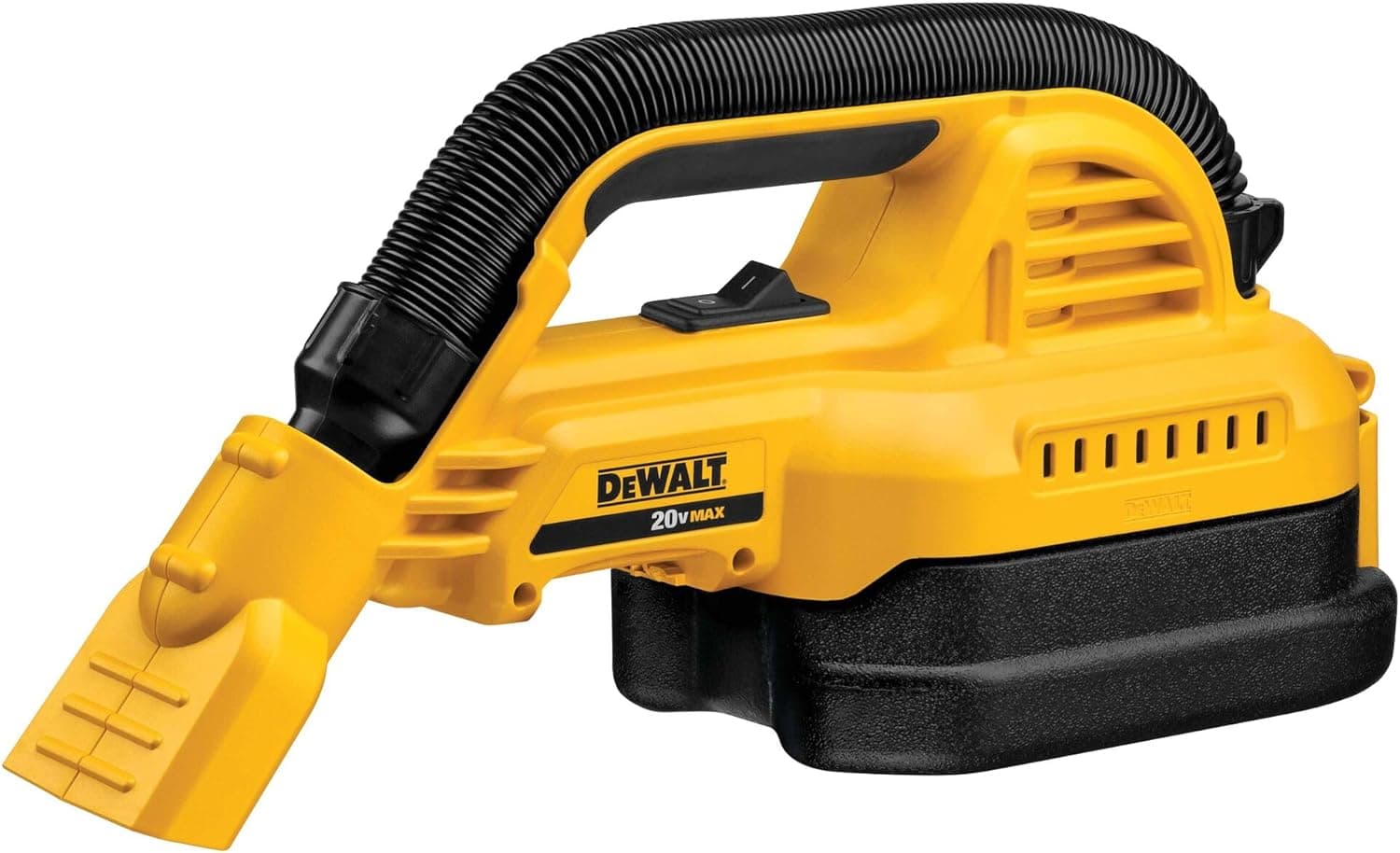
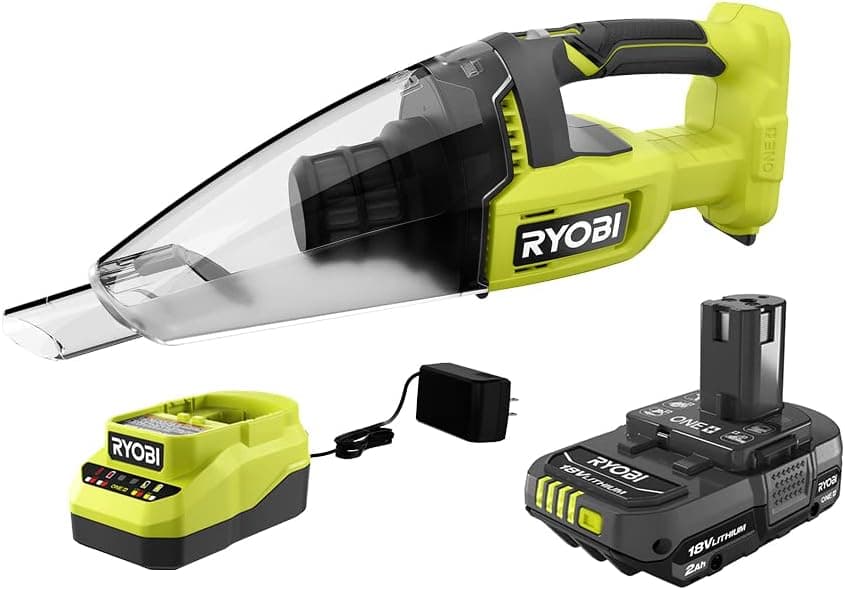
Specifications Comparison
| Specification | DeWalt 20V MAX Handheld | RYOBI 18V ONE+ Multi-Surface🏆 Winner 🏆 |
|---|---|---|
| Suction Power | Not specified - 20V system | Not specified |
| Battery Life | 19 minutes (4Ah battery) | 40 minutes |
| Bin Capacity | 0.5 Gallons | 550ml |
| Noise Level | 80dB | 78dB |
| Weight | 4.5 lbs | 2.95 lbs |
| Charging Time | 90 minutes | Varies by battery |
Pros & Cons
Pros
- ✓DeWalt 20V MAX compatibility
- ✓Powerful suction for tool battery vac
- ✓Wet/dry capability
- ✓HEPA filter included
- ✓Durable construction
Cons
- ✗Expensive
- ✗Battery and charger sold separately
- ✗Heavy
- ✗Overkill for home use
Pros
- ✓Compatible with Ryobi ONE+ system
- ✓Crevice tool and brush included
- ✓Good for workshop cleaning
- ✓Affordable for battery platform
- ✓Battery and charger included in kit
Cons
- ✗Weak suction compared to dedicated vacuums
- ✗Short runtime with included battery
- ✗Loud
- ✗Better for workshops than homes
Verdict
RYOBI 18V ONE+ Multi-Surface
Our top pick for this comparison
Handheld Vacuum Showdown: DeWalt vs. RYOBI
Key Differences Overview
In this comprehensive comparison, we're examining two robust handheld vacuums from powerhouse tool brands DeWalt and RYOBI. While both belong to professional-grade battery platforms, they target slightly different user segments with unique strengths.
Performance
The DeWalt 20V MAX brings industrial-strength cleaning capabilities. Its heavier construction suggests more robust suction, particularly advantageous for workshop and garage environments. The included HEPA filter provides superior dust containment, making it ideal for woodworking or construction cleanup.
The RYOBI 18V ONE+ feels more nimble, targeting DIY enthusiasts and home users. While potentially less powerful, its lighter weight and included accessories make it more versatile for quick cleanups.
Battery
Both vacuums leverage their respective 18V/20V battery ecosystems, which is a significant purchasing consideration. DeWalt's system requires separate battery purchase, increasing initial investment. RYOBI includes a battery and charger, providing immediate usability.
Portability
RYOBI wins portability hands-down. At just 2.95 lbs compared to DeWalt's 4.5 lbs, it's substantially lighter and easier to maneuver. This makes a substantial difference during extended cleaning sessions.
Noise
Noise levels are comparable, with RYOBI slightly quieter at 78dB versus DeWalt's 80dB. While minimal, sensitive users might appreciate RYOBI's marginally reduced sound profile.
Accessories
RYOBI provides more immediate value, including crevice and brush tools in the base kit. DeWalt seems more bare-bones, targeting professionals who likely have specific accessory preferences.
Price & Value
Price points are remarkably close: DeWalt at $99.99, RYOBI at $89.99. However, RYOBI's included battery significantly enhances its value proposition.
Who Should Buy Which
DeWalt is perfect for:
Professional contractors
Woodworkers
Those requiring heavy-duty cleaning
Users already invested in DeWalt's 20V platform
RYOBI suits:
Home DIY enthusiasts
Hobby workshops
Budget-conscious buyers
Those wanting immediate usability
Final Verdict
Winner: RYOBI 18V ONE+ Multi-Surface
While the DeWalt offers impressive industrial-grade potential, the RYOBI 18V ONE+ provides superior overall value. Its lighter weight, included accessories, bundled battery, and more affordable price make it the more practical choice for most users.
The RYOBI doesn't just win on paper—it wins by understanding its core audience. It delivers solid performance with user-friendly features, making it the smarter purchase for home and hobby use. The included battery and tools transform it from a mere vacuum into a comprehensive cleaning solution.
Professionals might still prefer DeWalt's robust design, but for the vast majority of users, RYOBI represents the more intelligent investment.